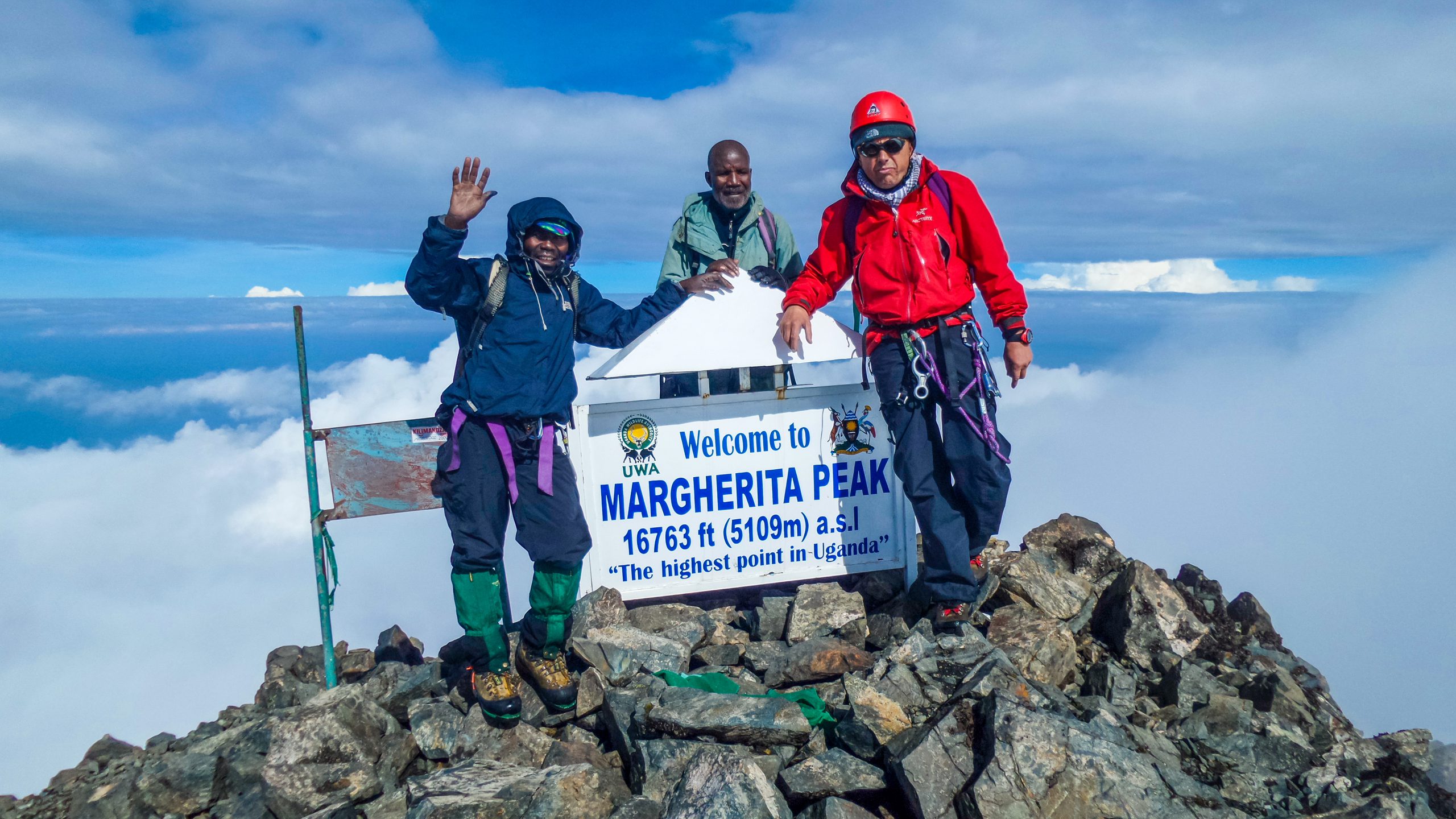
This 13 Days Best Uganda wildlife safari & Mountain Rwenzori hike brings together the country's finest wildlife encounters and high-altitude mountain trekking. Your route travels across western Uganda's premier conservation areas, combining classic savanna safaris with deep forest primate tracking and an alpine mountain expedition. You will track wild chimpanzees through the rainforest canopy of Kibale, spot tree-climbing lions and large elephant herds in Queen Elizabeth National Park, and come face-to-face with gentle mountain gorillas in Bwindi Impenetrable Forest. The core of the adventure features a multi-day ascent along the legendary Central Circuit trail in the Rwenzori Mountains, navigating moss-draped valleys and glaciated ridges to reach Margherita Peak on Mount Stanley at 5,109 meters. It is an extraordinary immersion into East Africa’s wild heart.
Detailed Day-by-Day Itinerary
Day 1: Entebbe Airport Arrival & Transfer to Kampala
Your Ugandan adventure begins upon landing at Entebbe International Airport, set on the scenic shores of Lake Victoria. After clearing customs and retrieving your luggage, you will be met in the arrivals hall by your driver-guide. Together, you will embark on a 45-to-60-minute drive along the Entebbe-Kampala Expressway toward your hotel in the vibrant capital city. Along the way, your guide will share a brief welcome overview, detailing the road travel and mountain preparations scheduled for the coming days. Upon arrival at your hotel, check in, unpack, and unwind from your international flight. Depending on your arrival time, you can relax by the pool, explore nearby local markets, or enjoy dinner at the hotel. Getting a restful night's sleep is essential before starting your journey west the following morning.
Day 2: Journey West to Kibale Forest & Bigodi Swamp Walk
After an early breakfast, depart Kampala for a scenic 5-to-6-hour drive west across Uganda's lush countryside to Kibale National Park. The journey winds past rolling tea plantations, rural farming communities, and the picturesque crater lakes region near Fort Portal. Upon arriving at your lodge near Kibale Forest, check in and enjoy a relaxing lunch. In the afternoon, set out for a guided walking tour through the adjacent Bigodi Wetland Sanctuary. Managed by the local community, this rich swamp ecosystem hosts eight primate species, including red colobus, grey-cheeked mangabeys, and L’Hoest’s monkeys, alongside over 200 bird species like the great blue turaco. Walking along wooden boardwalks and natural paths, your guide will highlight native plants and local conservation efforts before returning to your lodge for dinner and rest.
Day 3: Chimpanzee Tracking in Kibale & Transfer to Queen Elizabeth
Start your day with a morning transfer to the Kanyanchu Visitor Centre in Kibale National Park for a ranger briefing on chimpanzee tracking guidelines. Entering the thick tropical rainforest, your trek lasts between 2 and 4 hours as you follow fresh trails, calls, and cracked nuts left behind by these wild primates. Once located, spend a thrilling hour watching chimpanzees groom, feed, communicate, and swing through the canopy. Afterward, return to the center for lunch before embarking on a 3-hour drive south toward Queen Elizabeth National Park. The route crosses the Equator and offers views of the Rwenzori foothills. Arrive at your lodge in the late afternoon, taking time to settle in before enjoying an evening game drive across the Kasenyi plains in search of grazing antelopes and nocturnal predators.
Day 4: Morning Game Drive & Scenic Kazinga Channel Boat Cruise
Set out at dawn for an early morning game drive across the Kasenyi plains, when predators are most active. Accompanied by an experienced ranger, scan the savanna for lions, leopards, spotted hyenas, Uganda kob, and large herds of elephants and Cape buffaloes. After 3 to 4 hours of wildlife viewing, return to your lodge for breakfast and rest. In the afternoon, head to the Mweya Peninsula for a 2-hour boat cruise along the Kazinga Channel, a natural waterway connecting Lake George and Lake Edward. This stretch features one of Africa's highest concentrations of hippos alongside large Nile crocodiles and drinking elephant herds. Birdlife is abundant, featuring fish eagles, pelicans, and kingfishers lining the shores. Return to your lodge in the evening for dinner and overnight.
Day 5: Rwenzori Trek Day 1: Nyakalengija (1,615m) to Nyabitaba Hut (2,651m)
After an early breakfast, drive to the Uganda Wildlife Authority offices in Nyakalengija at 1,615 meters to meet your guides, porters, and support staff. Following a safety briefing and gear check, begin your trek along the Central Circuit trail. The path starts through Bakonjo farmland before crossing the Mubuku and Mahoma rivers via wooden bridges. Entering the montane forest, you will ascend steadily through dense vegetation, listening for forest birds and watching for colobus monkeys. The trail grows steeper as you climb along a high ridge, covering roughly 10 kilometers over 4 to 5 hours with an elevation gain of 1,036 meters. Eventually, you will reach Nyabitaba Hut at 2,651 meters by mid-afternoon. From the hut, enjoy sweeping views of the Portal Peaks and the valleys below as you settle in for your first night on the mountain.
Day 6: Rwenzori Trek Day 2: Nyabitaba Hut (2,651m) to John Matte Camp (3,505m)
Depart Nyabitaba Hut early, descending through dense forest to cross the Kurt Shafer Bridge across the roaring confluence of the Mubuku and Bujuku rivers. From the riverbed, the trail climbs steeply into a thick bamboo forest where wet moss and exposed roots demand careful footwork. As you gain elevation over this 11-kilometer stretch, gaining 854 meters of altitude, the bamboo gives way to the heather and moorland zone, marked by giant groundsels and lobelias. You will cross the lower edge of the Bigo Bog, stepping across wooden boardwalks designed to protect the wetland ecosystem. Continuing up the Bujuku River valley for 6 to 7 hours of steady trekking, you will reach John Matte Camp at 3,505 meters by late afternoon. Take time to dry your gear, rehydrate, and rest while enjoying views of the surrounding alpine peaks on clear evenings.
Day 7: Rwenzori Trek Day 3: John Matte Camp (3,505m) to Bujuku Hut (3,962m)
Leaving John Matte Camp, the trail leads into the sprawling upper Bigo Bog. Traversing the boardwalks over 5 to 6 hours and covering 6 kilometers, you are surrounded by surreal, giant groundsels that define this high-altitude wetland. Beyond the bog, a steep climb up a rocky ridge gains 457 meters of elevation and leads directly to Lake Bujuku, a glacial lake situated at 3,962 meters between Mount Stanley, Mount Speke, and Mount Baker. The path skirts the marshy edges of the lake, where the thinning air makes for a slower, deliberate pace. Arrive at Bujuku Hut at 3,962 meters by early afternoon. Positioned in a dramatic valley, this camp serves as the key acclimatization base for climbers targeting the high peaks. Spend the rest of the day resting, sipping warm drinks, and preparing your mountaineering equipment for the technical ascents ahead.
Day 8: Rwenzori Trek Day 4: Bujuku Hut (3,962m) to Elena Camp (4,563m)
From Bujuku Hut, the trail climbs steeply out of the valley through giant groundsel fields before ascending the exposed rock faces of the Scott-Elliot Pass trail. You will navigate slippery granite slabs, boulder fields, and steep ladders, using your hands for balance along technical sections over a 4-to-5-hour climb spanning 4 kilometers. The vegetation thins dramatically as you gain 601 meters of elevation and enter the alpine ice zone. Branching off toward Elena Camp, the climb grows steeper across cold, wind-swept rock ledges. Reaching Elena Hut at 4,563 meters by early afternoon, you are positioned right at the edge of Mount Stanley's glaciers. Your lead guide will conduct a final safety gear check, fitting crampons, harnesses, and ropes. Eat an early dinner and turn in early to prepare for the midnight summit push.
Day 9: Rwenzori Trek Day 5: Summit Margherita Peak (5,109m) to Kitandara Hut (3,979m)
Wake around 2:00 AM, gear up with headlamps, crampons, and ice axes, and set out onto the snow and ice of the Stanley Glacier. Roped together in teams, navigate crevasses and steep ice slopes before tackling the final technical fixed-rope wall. Reaching Margherita Peak at 5,109 meters—Africa's third-highest point—rewards you with sunrise views across Uganda and the Democratic Republic of Congo. After celebrating at the summit, descend carefully back to Elena Camp for a short rest and warm soup. Continuing downward to lose 1,130 meters of elevation, cross Scott-Elliot Pass at 4,372 meters and descend into the valley to reach Kitandara Hut at 3,979 meters, set beside twin high-altitude lakes, after a demanding 10-to-12-hour day on the mountain.
Day 10: Rwenzori Trek Day 6: Kitandara Hut (3,979m) to Guy Yeoman Camp (3,505m)
Leaving Kitandara Hut, begin the morning with a steep climb up to Freshfield Pass at 4,282 meters. On clear mornings, the pass offers panoramic farewell views back toward Mount Stanley and Mount Baker. Crossing the pass, enter a wide alpine moorland field scattered with giant lobelias. The trail then begins a steep, prolonged descent through the muddy, mossy terrain surrounding the Kabamba rock shelters, resulting in a net loss of 474 meters of elevation over 6 kilometers. Negotiate slippery rock steps, mud pools, and exposed roots as you drop parallel to the roaring Mubuku River. By afternoon, after 5 to 6 hours of downhill trekking, arrive at Guy Yeoman Camp at 3,505 meters. Situated in a quiet valley meadow, the camp's lower elevation offers warmer temperatures and higher oxygen levels for a well-deserved night of rest.
Day 11: Exit Rwenzoris & Overland Transfer to Bwindi Forest
The final leg of your mountain trek descends 1,890 meters in elevation over 6 to 7 hours from Guy Yeoman Camp through thick bamboo groves and heather zones, navigating the steep, muddy cliffs of Kichuchu via wooden ladders. Rejoining the montane forest, you will pass Kabamba Falls and reconnect with the circuit trail at Nyabitaba, continuing down to the trailhead at Nyakalengija (1,615m) by mid-day. After signing out with park rangers and receiving your summit certificates, bid farewell to your mountain crew. Meet your safari driver for a 5-to-6-hour drive south toward Bwindi Impenetrable National Park. The route winds through southwestern Uganda's terraced hills and rural villages. Arrive at your jungle lodge near Bwindi by late evening for dinner and rest ahead of your gorilla tracking experience.
Day 12: Mountain Gorilla Trekking in Bwindi Impenetrable Forest
Wake early for breakfast and transfer to the Bwindi park headquarters for an 8:00 AM briefing on gorilla tracking rules and etiquette. Divided into small groups of eight, set off into the mist-covered rainforest alongside armed rangers and trackers. The trek can take anywhere from 2 to 6 hours, traversing steep slopes, thick vines, and muddy ravines as trackers locate the habited gorilla family. Once found, spend a quiet, memorable hour observing these gentle giants as they feed, play, and interact just meters away. After the encounter, return to the park center to receive your tracking certificate. Spend the late afternoon relaxing at your lodge or enjoying an optional cultural visit with the local Batwa community before dinner.
Day 13: Drive to Entebbe via the Equator Line & Departure
On your final day, enjoy breakfast at the lodge before embarking on the 8-to-9-hour return drive to Entebbe. The route takes you through the rolling hills of Kigezi and past the countryside of Mbarara. Stop along the way for a hot lunch and a pause at the Equator monument in Kayabwe. Here, you can stand in both the Northern and Southern Hemispheres simultaneously, watch water-drainage demonstrations, and browse local craft shops for handmade souvenirs. Afterward, continue your drive directly to Entebbe International Airport, arriving in the late afternoon or evening in time to check in for your outbound flight home, bringing your 13-day Ugandan expedition to an end.
What wildlife species will I encounter during this safari trip?
This journey brings you across Uganda’s richest habitats, offering incredible variety. In Kibale National Park, you will track wild chimpanzees alongside twelve other primate species, including red colobus monkeys and grey-cheeked mangabeys. Transitioning to Queen Elizabeth National Park, game drives across the savanna reveal tree-climbing lions, elusive leopards, spotted hyenas, Uganda kob, and vast herds of elephants and Cape buffaloes. Along the Kazinga Channel, you will watch giant pods of hippos and basking Nile crocodiles from the water. Higher up in the Rwenzori Mountains, keep an eye out for three-horned chameleons, Rwenzori turacos, and elusive forest antelopes like the duiker. Finally, Bwindi Impenetrable Forest delivers the ultimate highlight: an intimate hour with endangered mountain gorillas in their misty home.
How physically demanding is trekking through Bwindi Impenetrable Forest?
Gorilla trekking in Bwindi is an adventure that requires moderate to high physical fitness. Unlike manicured park trails, you are hiking through dense, untouched jungle where park rangers cut paths through thick vines, bamboo groves, and stinging nettles using machetes. The terrain is famously steep, muddy, and uneven, often involving climbs up slippery ravines and across hidden roots. Depending on where your assigned gorilla family moved overnight, the hike can range from a relatively quick two-hour walk to a demanding six-hour expedition. Altitude also plays a role, as Bwindi sits between 1,160 and 2,607 meters above sea level. Using a sturdy wooden walking stick and hiring a local porter to carry your gear makes navigating the tough slopes vastly easier.
What gear should I pack for technical Rwenzori mountaineering?
Preparing for the high peaks of the Rwenzori Mountains requires specialized gear designed for extreme wet and freezing conditions. For the glaciated push on Mount Stanley, you will need rigid, broken-in mountaineering boots, crampons, an ice axe, a climbing harness, and a helmet. Clothing must follow a strict layering system: moisture-wicking base layers, warm fleece or down mid-layers, and high-quality, heavy-duty waterproof outer shells to protect against unpredictable mountain rain and snow. Do not forget waterproof alpine gloves, UV-blocking glacier glasses, and gaiters to keep mud out of your boots. Expedition operators usually provide shared technical gear like ropes and ice screws, but bringing your own personal protective gear ensures proper fit and maximum comfort during cold summit attempts.
How do chimpanzee tracking and gorilla trekking experiences differ?
While both encounters bring you close to endangered primates, the atmosphere and rhythm of each trek are distinct. Chimpanzee tracking in Kibale Forest is fast-paced and active; chimps are vocal, energetic, and constantly on the move through the upper rainforest canopy or sprinting along the forest floor. You will often follow their loud hooting calls through the trees before spending a dynamic hour watching them socialise, feed, and groom. In contrast, mountain gorilla trekking in Bwindi is a more grounded, serene, and majestic encounter. Gorillas spend most of their time on the forest floor, moving deliberately in tight family groups led by a dominant silverback. Observing a silverback resting quietly while juveniles tumble through the foliage feels profoundly calm and intimate.
What permit costs and booking requirements apply to this trip?
Securing your permits well in advance is the single most critical step in planning this Ugandan expedition. Mountain gorilla permits in Bwindi currently cost $800 per person for foreign non-residents, while chimpanzee tracking permits in Kibale run at $250 per person. These permits are issued directly by the Uganda Wildlife Authority and have strict daily caps to protect the animals and minimize environmental impact. Because demand is high—especially during the drier months from December to February and June to September—booking four to six months ahead is strongly recommended. Your safari operator typically handles permit purchases alongside your Rwenzori trekking passes, park entry fees, and mountain hut reservations as part of an all-inclusive tour package.
What accommodation styles can I expect throughout the journey?
Accommodation on this trip shifts dramatically as you transition from lowland safari parks to high-altitude mountain trails. During the safari and primate tracking legs in Kibale, Queen Elizabeth, and Bwindi, you will stay in comfortable safari lodges or eco-tented camps. These properties range from cozy mid-range lodges to luxury options featuring private en-suite bathrooms, hot showers, top-tier dining, and stunning views of crater lakes or forest canopies. Once you enter the Rwenzori Mountains, accommodations shift to rustic, high-altitude wooden huts managed by the park. These simple shelters provide communal bunk beds or timber platforms protected from rain and wind. While mountain hut facilities are basic—featuring dry pit latrines and cold water—they offer vital shelter and warmth during cold mountain nights.
How safe is traveling through western Uganda's national parks?
Traveling across western Uganda is considered very safe for international visitors. Tourism is one of the country's most vital industries, and the government places a heavy emphasis on park security. Every activity—from savanna game drives and boat cruises to forest primate treks and alpine ascents—is led by licensed, highly trained guides and armed Uganda Wildlife Authority rangers. Ranger escorts accompany all mountain expeditions and forest walks to ensure wildlife safety and assist with pathfinding. Furthermore, main tourist corridors between Entebbe, Kibale, Queen Elizabeth, Bwindi, and Kasese are well-established with welcoming local communities. Standard travel precautions apply: keep personal belongings secure, follow your guide’s instructions around wild animals, and maintain updated travel insurance.
When is the best time of year to visit?
The absolute best time to undertake this combined safari and mountaineering trip is during Uganda's two main dry seasons: December through February and June through August. During these months, dry conditions make forest trails in Bwindi and Kibale much less muddy, improving footing during primate treks. In the Rwenzori Mountains, lower rainfall levels drop bog water levels, reduce cloud cover, and provide clearer visibility for technical glacier ascents. Savanna wildlife viewing in Queen Elizabeth National Park is also at its prime, as animals gather predictably around waterholes like the Kazinga Channel. While rain can fall at any time in tropical mountain and rainforest environments, traveling during these drier windows delivers the smoothest overall experience.
What immunizations and health preparations are necessary before travel?
Preparing healthwise for Uganda involves a few essential medical checks and vaccinations. A Yellow Fever vaccination is mandatory, and you must present an official international certificate of vaccination upon arrival at Entebbe Airport. Malaria risk is present across lowland regions, so consulting a travel clinic to get prescription antimalarial medication is strongly advised. You should also ensure routine vaccines—such as Hepatitis A and B, Typhoid, Tetanus, and Polio—are completely up to date. Pack a well-stocked personal medical kit containing rehydration salts, blister plasters, broad-spectrum antibiotics, painkillers, and altitude sickness medication like Diamox for the high Rwenzori climbs. Always drink bottled or purified water throughout your stay.
What role do local communities play in this safari?
Local communities are deeply integrated into western Uganda’s conservation ecosystem, making your journey both culturally rich and ethically impactful. Around the Rwenzori Mountains, Bakonjo mountain guides, porters, and cooks lead every expedition; their generations of mountain wisdom ensure safe navigation while providing crucial income to mountain villages. In Kibale, the Bigodi Wetland Sanctuary is run entirely by a community development association, using visitor fees to build local schools and funding health clinics. Around Bwindi, cultural visits with the indigenous Batwa people share ancestral forest traditions while supporting community-led tourism initiatives. By embarking on this safari, your permit fees and tipping directly sustain local livelihoods, incentivizing nearby communities to protect wildlife and natural habitats for the future.
Booking 13-Day Best Uganda Wildlife Safari & Mountain Rwenzori Hike with us Roads of Adventure safaris
To book this 13-day Ugandan expedition, reach out directly to expert local operators like Roads of Adventure Safaris or Rwenzori Expeditions. Because this trip blends intense alpine climbing with classic wildlife safaris, coordinating with the Uganda Wildlife Authority is essential. Securing your Bwindi gorilla permit ($800 for foreign non-residents) several months ahead is step one, as spots fill quickly. The seven-day Rwenzori leg—reaching Margherita Peak at 5,109 meters—demands specialized glacier gear, professional mountain guides, and dedicated porters. To round out the adventure, the itinerary seamlessly pairs your summit attempt with Kibale chimpanzee tracking and Queen Elizabeth game drives.
