The 12 Days Kilimanjaro and Classic safari in Tanzania safari best parks offers a comprehensive exploration of East Africa, merging high-altitude physical demands with world-class wildlife observation. This journey begins by testing your endurance on the slopes of the continent's tallest mountain, followed by a transition to the expansive savannahs where nature thrives in its most authentic state. By combining the Machame route’s scenic diversity with the iconic Northern Circuit, this itinerary ensures you experience the stark, volcanic beauty of the high peaks alongside the vibrant ecosystems of Tarangire, the Serengeti, and the Ngorongoro Crater. This balanced approach allows for both a profound personal achievement at the summit and the relaxation of observing majestic animals in their natural habitats. Whether you are navigating the mountain trails or tracking predators across the plains, the 12 Days Kilimanjaro and Classic safari in Tanzania best parks provides a singular, highly structured passage through the most significant landscapes that this remarkable region has to offer.
Tour 12 Days Kilimanjaro and Classic safari in Tanzania best parks
Lush rainforest hiking trails
Expansive Shira Plateau views
Barranco Wall climbing challenge
Uhuru Peak summit achievement
Official mountain summit certificate
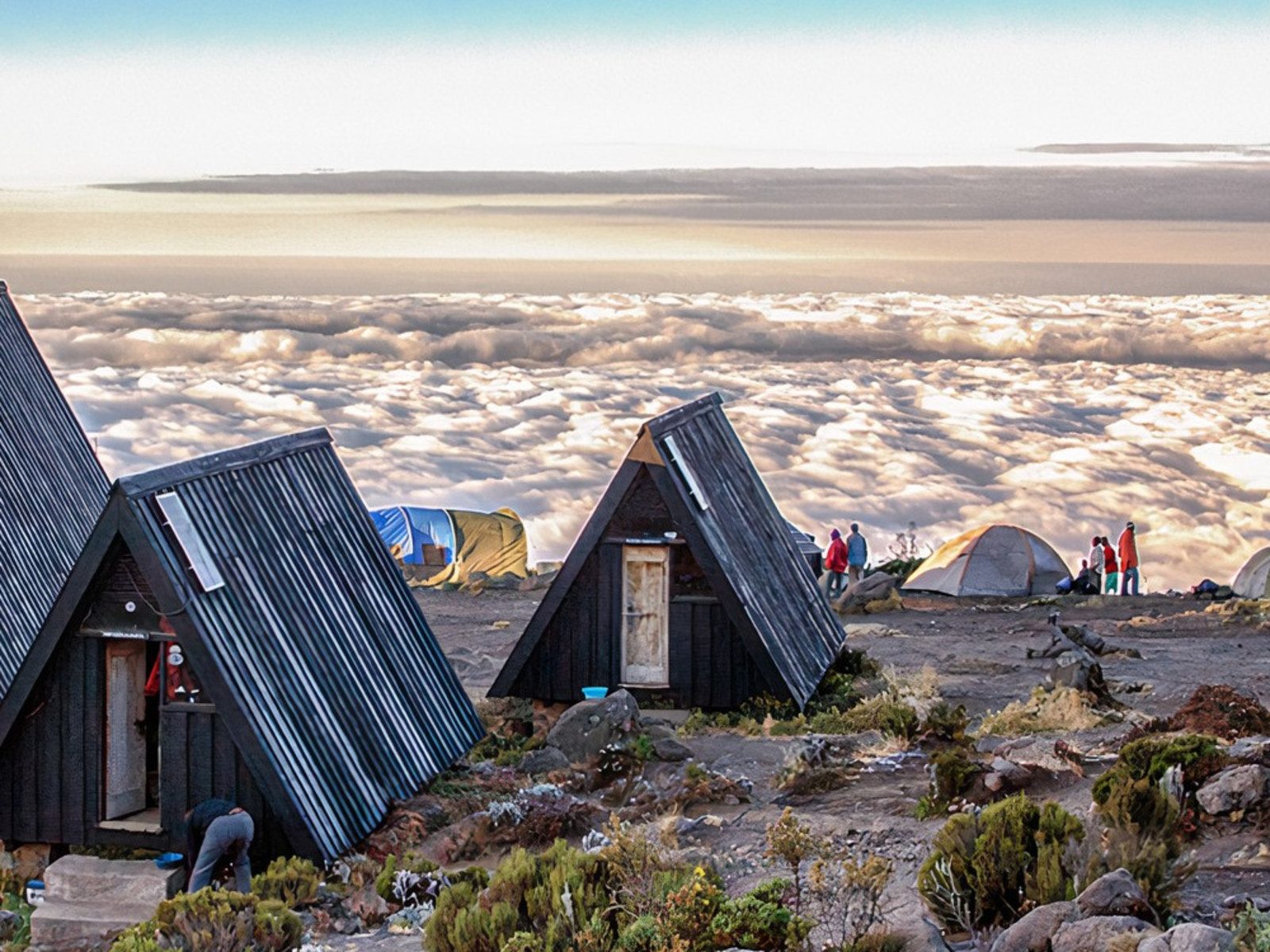
Classic hut accommodation stay
Tarangire giant baobab trees
Large elephant herd sightings
Tarangire River game drives
Endless Serengeti plains exploration
Predator tracking wild lions
Great Wildebeest Migration stages
Ngorongoro crater rim views
Volcanic caldera floor descent
Rare black rhino tracking
Big Five wildlife spotting
Highland landscape scenery vistas
Professional safari guide experience
Day by day 12 Days Kilimanjaro and Classic safari in Tanzania best parks
Day 1: Arrive & Briefing
Your journey begins with an arrival at Kilimanjaro International Airport, where you will be met and transferred to your accommodation in the vicinity of Moshi or Arusha. This initial day of the 12 Days Kilimanjaro and Classic safari in Tanzania best parks is dedicated to final preparations. You will undergo a comprehensive briefing with your lead mountain guide, who will check your gear, discuss safety protocols, and ensure you are mentally prepared for the coming physical exertion. It is a time for relaxation, adjusting to the local climate, and ensuring all necessary permits are in order. The quiet evening allows for rest before the intense activity of the following days. You will organize your bags, separating your mountain gear from the items you will store until your return for the wildlife phase of this trip. This quiet start is essential for building the focus required for the trek.
Day 2: Machame Gate to Machame Camp
The second day of your 12 Days Kilimanjaro and Classic safari in Tanzania best parks starts with a transfer to the Machame Gate. After completing registration, you enter the montane rainforest, characterized by dense vegetation and humid air. The trail winds upward through ancient trees, ferns, and colorful orchids, offering your first chance to observe the mountain's rich biodiversity. You will trek for several hours at a steady, manageable pace, allowing your body to begin the process of adjusting to the changing elevation. The forest is home to various monkeys and bird species, which may be heard before they are seen. Reaching Machame Camp in the late afternoon, you will find your tents set up by the support team. You will enjoy a hot dinner in the communal area, sharing the space with fellow hikers, and preparing for the higher altitudes that await on the subsequent morning.
Day 3: Machame Camp to Shira Camp
As you leave the rainforest behind, the landscape shifts dramatically during the third day of the 12 Days Kilimanjaro and Classic safari in Tanzania best parks. The path climbs a steep ridge, leading you into the moorland zone where the environment becomes dominated by heather, giant lobelias, and groundsels. The air turns noticeably cooler, and the dense canopy gives way to wide, open spaces. As you move toward the Shira Plateau, you are presented with expansive views of the mountain’s southern face, including the prominent Kibo peak. This stage of the trek is critical for acclimatization, as you continue to gain significant height. You will reach Shira Camp, a location that offers wide, sweeping vistas of the surrounding wilderness. Resting here allows your system to process the elevation change, and you will spend the evening observing the shifting colors of the landscape under the clear, high-altitude sky.
Day 4: Shira Camp to Barranco Camp
The fourth day of the 12 Days Kilimanjaro and Classic safari in Tanzania best parks takes you toward the imposing Lava Tower. The trail crosses into the alpine desert, a rugged, volcanic landscape where vegetation becomes sparse and the terrain is dominated by dark, weathered rock. The hike involves a significant gain in elevation, which is why the climb toward the tower is taken at a very slow, deliberate pace. After reaching the high point of the day, you will descend into the Barranco Valley. This transition is essential for the "climb high, sleep low" principle, which aids in acclimatization. As you descend, the valley reveals itself as a sheltered, lush area filled with unique plants. Arriving at Barranco Camp, you are perfectly positioned beneath the Great Barranco Wall, a massive rock formation that you will navigate on the following day. It is a day of varied terrain and important physiological adjustment.
Day 5: Barranco Camp to Barafu Camp
Today marks the fifth day of the 12 Days Kilimanjaro and Classic safari in Tanzania best parks and involves one of the most distinct parts of the climb: the Barranco Wall. You will scramble up this steep section, which is physically demanding but technically accessible, requiring steady hand and foot placement. Once atop the wall, the trail undulates toward the Karanga Valley before continuing toward the high-altitude Barafu Camp. This camp is situated on a bleak, rocky ridge and serves as the final staging point before your summit attempt. The air is very thin here, and the environment is harsh and desolate. You will focus on organizing your equipment for the midnight departure, consuming a high-energy meal, and attempting to get as much rest as possible despite the challenging conditions. The evening is characterized by intense concentration, as everyone in the group prepares for the final, most difficult push toward Uhuru Peak.
Day 6: Summit Night & Descend
The highlight of the 12 Days Kilimanjaro and Classic safari in Tanzania best parks occurs on this day as you begin the midnight ascent. Moving slowly under the starlight, you trek toward the crater rim, eventually reaching Stella Point and finally the summit at Uhuru Peak. The exertion is immense, but reaching the highest point in Africa at dawn is a defining achievement. After taking time for photos and reflection, you begin the long, careful descent to Mweka Camp. This return trip is hard on the knees and requires sustained concentration on the loose, volcanic scree. Reaching the lower forest zone provides a welcome increase in oxygen levels and temperature. You will spend your final night on the mountain reflecting on the success of the climb, supported by your guides and porters, before preparing for the final walk to the exit gate on the following morning.
Day 7: Descend & Transfer to Moshi
On the seventh day of the 12 Days Kilimanjaro and Classic safari in Tanzania best parks, you complete the final leg of your trek. The walk from Mweka Camp to the gate is a pleasant journey through the lower forest, where the air grows heavy with the scent of wet earth and vegetation. Upon arriving at Mweka Gate, you will finalize your park registration and receive your official summit certificate. This document is a testament to the effort you expended over the previous week. You will then meet your driver for the transfer back to your hotel in Moshi or Arusha. The primary focus of this day is recovery: a long-awaited shower, a comfortable bed, and a hearty meal signal the successful conclusion of the mountain phase. You will have time to socialize with your team, settle logistics for the upcoming safari, and prepare your gear for the different requirements of the wildlife viewing phase.
Day 8: Tarangire National Park
The transition to the safari phase begins as you head to Tarangire, a cornerstone of the 12 Days Kilimanjaro and Classic safari in Tanzania best parks. This park is renowned for its vast populations of elephants and its iconic, ancient baobab trees that stand like sentinels across the landscape. The Tarangire River serves as a vital water source, especially during the dry season, drawing large concentrations of wildlife to its banks. During your afternoon game drive, you will search for herds of elephants, zebras, giraffes, and various antelope species grazing in the grass. The park offers a different character compared to other reserves, with its hilly landscape and dry, golden colors. You will stay at a lodge or camp located within or near the park, allowing you to fall asleep to the distant sounds of the African bush, fully immersed in the wildlife experience that the region is famous for.
Day 9: Serengeti National Park
On the ninth day of the 12 Days Kilimanjaro and Classic safari in Tanzania best parks, you travel to the Serengeti, the most celebrated wildlife sanctuary on the planet. As you move from the highlands toward the endless plains, the scenery transforms into an expansive, grassy ecosystem that supports a massive number of herbivores. Your game drive en route to your central camp will involve tracking lions, leopards, and cheetahs, which are often found stalking prey among the acacia trees. The Serengeti is characterized by its sheer scale and the density of life it holds. You will arrive at your accommodation by the late afternoon, enjoying the sunset over the horizon. This day provides a profound sense of space and connection to nature, as you settle into the heart of one of the most active wildlife environments in the world, preparing for a full day of exploration.
Day 10: Full-Day Serengeti
This full day is dedicated to deep exploration within the Serengeti during your 12 Days Kilimanjaro and Classic safari in Tanzania best parks. With no transfers to manage, your guide can focus entirely on tracking wildlife and positioning your vehicle in areas with high activity. You will spend the day driving through different sectors of the park, scanning the horizon for the "Big Five" and observing the social behaviors of various species. If you are visiting between January and September, you have the opportunity to witness different stages of the Great Wildebeest Migration, as thousands of animals move across the plains in search of fresh pasture. The day is spent observing predators, small game, and birdlife, with a picnic lunch served in the bush to maximize your time in the field. It is a day of immersion, witnessing the daily cycles of the Serengeti ecosystem.
Day 11: Ngorongoro Conservation Area
Your penultimate day of the 12 Days Kilimanjaro and Classic safari in Tanzania best parks begins with one last game drive in the Serengeti to spot any wildlife you may have missed. Afterward, you will travel toward the Ngorongoro Conservation Area, ascending from the low-lying plains into the lush highlands. As you approach the crater rim, you are treated to immense, sweeping views of the interior caldera below. The altitude here is significantly higher, creating a cooler climate that supports a unique type of vegetation. You will check into a lodge located on or near the rim, providing you with a high-level vantage point over the crater. The evening is spent relaxing, with the opportunity to walk near the lodge or simply enjoy the view of the highlands, knowing that tomorrow you will descend into the volcanic floor to complete your safari journey.
Day 12: Ngorongoro Crater & Departure
The final day of the 12 Days Kilimanjaro and Classic safari in Tanzania best parks involves a descent into the Ngorongoro Crater floor, the largest intact volcanic caldera in the world. This basin functions as a self-contained ecosystem, where thousands of animals reside year-round, protected by the steep crater walls. It is perhaps the most reliable place to spot the endangered black rhino, alongside prides of lions, large tusked elephants, buffalo, and various ungulates. You will spend the morning tracking these animals before driving back toward the rim. After a final lunch, you will begin your drive back to Arusha or Kilimanjaro International Airport for your departure flight. As your time in Tanzania concludes, you will take with you the memories of the mountain peaks you climbed and the vast, vibrant plains you explored, completing your 12-day journey through the most significant landscapes of this region.
1. What does the standard 12-day combo include?
A standard 12-day itinerary is meticulously designed to provide a balanced transition from high-altitude physical endurance to the relaxed pace of an East African wildlife adventure. Typically, this comprehensive package begins with a 6-to-7-day trek up Mount Kilimanjaro, utilizing established trails such as the Machame or Lemosho routes. These specific paths are favored for their superior acclimatization profiles and diverse ecological transitions. Once the mountain phase concludes and you have successfully descended, the second half of the journey shifts focus to the Northern Circuit. This segment usually encompasses 4-to-5 days of professional game drives through some of Tanzania’s most celebrated wildlife reserves. You will explore the iconic, vast plains of the Serengeti National Park, the unique volcanic floor of the Ngorongoro Conservation Area, and the elephant-rich landscapes of Tarangire National Park. This combination allows for a complete immersion in Tanzania’s natural diversity—from the stark, glaciated summit of the "Roof of Africa" to the vibrant, predator-dense grasslands of the savannah. It is a highly structured, immersive experience that requires efficient logistics to manage the switch from a rugged, tented trekking lifestyle to the comfort of safari lodges or luxury tented camps.
2. Which is better: Climbing or Safari first?
Climbing Mount Kilimanjaro followed by a wildlife safari is widely considered the most effective way to structure your 12-day adventure. This sequence is highly recommended for both physiological and psychological reasons. The ascent of Kilimanjaro is a demanding, high-intensity endurance test that requires significant physical exertion, interrupted sleep, and constant adaptation to thinning air. Completing the mountain phase first allows you to commit all your remaining physical and mental energy to reaching the summit. Once you achieve this goal, the subsequent safari days provide the perfect environment for recovery. Instead of pushing your body, you can relax in the comfort of a safari vehicle while observing the diverse fauna of the Serengeti and Ngorongoro Crater. Additionally, this order builds a natural sense of satisfaction and closure; after the struggle of the climb, the ability to witness the natural harmony of the African plains serves as a rewarding, low-stress conclusion to your journey. Starting with the safari, by contrast, might leave you anxious about the upcoming physical challenge, potentially detracting from your ability to fully appreciate the wildlife experience. Therefore, the "climb first" approach optimizes both your performance and your overall enjoyment of the trip.
3. Which parks are included in the safari portion?
The safari portion of your 12-day journey focuses on the renowned "Northern Circuit," a collection of habitats that offer perhaps the highest density of wildlife in all of East Africa. The centerpiece of this itinerary is Serengeti National Park, an expansive savannah ecosystem famous for the Great Migration and its high population of big cats, including lions, leopards, and cheetahs. You will also spend significant time in the Ngorongoro Conservation Area, specifically descending into the Ngorongoro Crater, which acts as a self-contained sanctuary for thousands of animals, including the elusive black rhino. Tarangire National Park is a critical component of the circuit, particularly during the dry season, when its river systems draw massive herds of elephants and provide the backdrop for its famous, giant baobab trees. Many itineraries also incorporate a visit to Lake Manyara National Park, a smaller but ecologically diverse reserve known for its groundwater forests, large troops of baboons, and, occasionally, tree-climbing lions. Together, these parks form an interconnected network that showcases the best of Tanzania’s biodiversity. By visiting this specific group of reserves, you gain a holistic view of the region, ranging from volcanic highlands and arid savannahs to lush, riverine corridors, ensuring a comprehensive wildlife experience that captures the essence of the northern safari trail.
4. When is the best time of year to go?
Determining the best time to undertake this 12-day journey depends on your priorities, but the dry seasons are generally superior for both mountain trekking and wildlife viewing. The primary window occurs from July to October. During these months, the weather on Kilimanjaro is generally stable with clear skies, which is optimal for summit visibility and reduces the risk of rain-slicked trails. Concurrently, in the Serengeti and Tarangire, the lack of rain forces wildlife to congregate around permanent water sources, making animals much easier to track and observe. The Great Wildebeest Migration is also typically active in the northern Serengeti during this time. A second excellent window is from January to March. While the mountain conditions are slightly less predictable than in the peak of the dry season, this period offers clear summit days and is famously associated with the wildebeest calving season in the southern Serengeti. Witnessing the birth of thousands of calves provides a unique and moving look at the life cycle of the savannah. Regardless of the month, avoiding the "long rains" of April and May is advised, as these periods can make trekking trails dangerously muddy and game drives difficult due to thick, tall grass and flooded roads. By planning around these windows, you ensure a higher probability of clear mountain views and productive, high-volume wildlife sightings.
5. What is the most scenic route?
The Machame Route is widely celebrated as the most visually diverse and rewarding path up Mount Kilimanjaro, earning it the affectionate nickname the "Whiskey Route." This moniker suggests it is a more "intoxicating" or flavorful experience than the standard Marangu path. The route is highly regarded because it approaches the mountain from the south, allowing trekkers to experience a full transition through distinct climatic zones, starting in the lush, tropical montane forest and moving up into the high-altitude heath and moorland. The scenery is particularly dynamic, offering sweeping views of the Shira Plateau, the imposing Lava Tower, and the dramatic, sheer face of the Barranco Wall. From a technical standpoint, the Machame Route is also superior for acclimatization compared to shorter paths; it follows the "climb high, sleep low" principle, which significantly improves your body’s ability to adjust to lower oxygen levels as you gain elevation. While the trail is demanding and involves more daily elevation changes than flatter alternatives, the constant shift in perspective and the sheer variety of alpine flora and terrain make it the premier choice for hikers who want to capture the full essence of the mountain. The combination of beautiful vistas, improved success rates, and a rich, immersive hiking environment ensures that the Machame Route remains the benchmark for those seeking a memorable and successful expedition to the summit.
6. Do I need to be an experienced mountaineer to reach the summit?
Reaching the summit of Mount Kilimanjaro does not require specialized mountaineering skills, technical climbing knowledge, or the use of heavy climbing gear like ropes, harnesses, or crampons (except in very rare, extreme weather conditions). The mountain is fundamentally a high-altitude trek, not a technical climb. However, underestimating the challenge is a common mistake; it is a long, strenuous, and mentally demanding hike that tests your cardiovascular endurance and your ability to persevere through significant physical discomfort. The path involves steep segments and long days of trekking over loose volcanic scree, which can be exhausting. Consequently, while you do not need to be a professional climber, a solid foundation of physical fitness is essential. Training should include regular cardiovascular exercises like hiking, running, or swimming, combined with strength training to prepare your legs for the repeated upward motion. Beyond physical preparation, a positive attitude is perhaps the most important asset. You will be walking slowly—"pole pole"—for several consecutive days, and the ability to maintain focus, manage your energy, and remain resilient in the face of thin air and changing temperatures is what separates successful summiters from those who turn back. If you are in good health, have prepared your body, and possess the mental fortitude to push forward, you are well-positioned to complete the journey, regardless of your lack of prior mountaineering experience.
7. How do I prepare for the altitude?
Preparing for the altitude on Mount Kilimanjaro is the most critical aspect of ensuring a successful summit. The primary strategy is to adopt the "pole pole" (slowly, slowly) pace that your local guides will emphasize throughout the trek. Moving at a very deliberate, steady tempo prevents your heart rate from spiking and allows your body to maximize its oxygen efficiency. Staying well-hydrated is equally important; you should aim to drink at least $3$ liters of water every day to support your blood circulation and help your body manage the physiological stress of the altitude. Additionally, many experienced climbers consult their personal physicians well before their departure to discuss the potential use of acetazolamide (Diamox). This medication is commonly used to aid the acclimatization process and alleviate the symptoms of mild acute mountain sickness, such as headaches and nausea. It is important to remember that medication is not a substitute for proper pacing or hydration, but rather a supportive tool. During the climb, your guides will monitor your oxygen saturation levels daily, providing real-time feedback on how you are coping with the elevation. Listening to these professionals, communicating honestly about any symptoms you feel, and adhering to the prescribed pace are your best defenses against altitude-related issues. By respecting the mountain and giving your body the time it needs to adapt, you significantly lower the risks and increase your chances of standing on the summit.
8. What happens to my gear while on the mountain?
The logistics of a Kilimanjaro trek are expertly managed by a professional support crew, which is the backbone of your expedition’s success. Your team typically consists of a lead guide, several assistant guides, a team of dedicated porters, and a camp cook. This structure ensures that you are free to focus entirely on the trek itself rather than the burdens of equipment transport. Each morning, after you have packed your personal items into your main duffel bag, the porters collect this gear and transport it to the next campsite. They are incredibly skilled at navigating the mountain trails, often reaching the camp ahead of the group to set up tents, prepare sleeping areas, and ensure everything is ready for your arrival. Your cook is responsible for preparing hot, calorie-dense meals that are vital for maintaining your energy levels in the harsh climate. You are only responsible for carrying a light daypack, which contains the items you might need during the day, such as extra clothing layers, water, sunscreen, and your camera gear. This division of labor is essential to the "pole pole" philosophy; by removing the weight of your heavy gear, the crew enables you to maintain the slow, consistent pace necessary for proper acclimatization. The reliability of this support team is what makes the Kilimanjaro experience feasible for individuals from all walks of life, allowing you to focus on the challenge at hand.
9. Will I see the "Big Five"?
Yes, the Serengeti National Park and the Ngorongoro Crater are world-famous for their high concentration of the "Big Five" animals, which include the lion, leopard, elephant, buffalo, and black rhino. Historically, this term was used by big-game hunters to describe the five most difficult and dangerous animals to hunt on foot, but today, it represents the primary goal for wildlife enthusiasts on safari. The Serengeti is particularly renowned for its lion prides, which are often found resting on rocky outcrops known as kopjes, and its elusive leopards, which are frequently spotted draped over the branches of acacia trees. Elephants and buffalo are abundant throughout the grasslands and riverine areas. The Ngorongoro Crater, due to its enclosed, volcanic caldera structure, offers perhaps the best opportunity in the region to spot the rare and endangered black rhino. Because the animals in the crater have limited migratory options, they are often seen at much closer ranges than in the vast Serengeti. While no wildlife sighting is ever 100% guaranteed, your professional guide uses radio communication and tracking expertise to locate these animals, greatly increasing your chances of seeing all five during your safari phase. The combination of these two parks provides an exceptional environment where the density and variety of large mammals make the "Big Five" a realistic and frequent accomplishment for safari visitors.
10. When and where is the Great Migration?
The Great Migration is a continuous, year-round cycle of movement involving over one million wildebeest and hundreds of thousands of zebras and gazelles as they follow the seasonal rains in search of fresh pasture. Understanding its location is essential for planning your trip. From December to March, the herds are typically concentrated in the southern Serengeti and the Ndutu area of the Ngorongoro Conservation Area, where the short rains trigger the calving season, creating a rich environment for the young animals. As the dry season approaches, the migration moves north through the central Serengeti. By June and July, you can often find them in the Western Corridor, navigating the challenging crossings of the Grumeti River. From August to October, the herds reach the northern Serengeti, where the most dramatic and iconic event occurs: the crossing of the Mara River. During these river crossings, the animals must navigate strong currents and avoid the massive Nile crocodiles waiting in the water. By November, the cycle begins to turn southward again as the herds head back toward the southern plains. Because the movement is dictated by unpredictable rainfall patterns, the exact timing can shift from year to year. A flexible itinerary and an experienced safari guide are your best tools for tracking the movement of the herds and maximizing your chances of witnessing this natural wonder during your journey.
11. What is special about the Ngorongoro Crater?
The Ngorongoro Crater is a geological and biological marvel, standing as the world’s largest unbroken, inactive volcanic caldera. Formed approximately $2$ to $3$ million years ago after a massive volcanic eruption and subsequent collapse, the crater covers about $260$ square kilometers. Its unique structure is what makes it so special for wildlife observation: the steep, $600$-meter-high walls of the caldera form a natural enclosure that essentially acts as a fortress for the diverse animal populations inside. This creates a dense, self-contained ecosystem where animals do not feel the same need to migrate long distances as they do in the open Serengeti. Consequently, the crater floor supports one of the highest concentrations of wildlife in Africa. You can witness massive populations of buffalo, zebras, wildebeest, and gazelles, all of which provide a steady food source for the crater’s famous lion prides and spotted hyenas. Furthermore, the crater is one of the best locations in Tanzania to spot the endangered black rhino, which often grazes in the open grassland areas. This volcanic basin provides a highly condensed and intimate safari experience, allowing you to see a vast array of species in a single day of game driving within a unique, enclosed landscape that feels truly prehistoric.
12. Why visit Tarangire National Park?
Tarangire National Park is a distinct and essential stop on the Northern Circuit, known for its unique character and its status as a refuge during the dry season. The park is most famous for its giant baobab trees—ancient, stout-trunked giants that dot the landscape and provide a striking backdrop for photography. During the dry season (typically from June to October), the Tarangire River becomes the only permanent water source for miles around, creating an ecological "magnet" that draws massive numbers of animals from the surrounding Maasai Steppe. This is when the park truly shines, boasting one of the highest concentrations of elephants in all of Africa. You can often see large, multi-generational herds gathering at the river to drink, bathe, and socialize, offering a close look at elephant social structures. In addition to the elephants, Tarangire is home to a diverse array of other species, including tree-climbing pythons, waterbuck, and impala, as well as over $500$ species of birds, making it a paradise for birdwatchers. The park’s hilly, rocky terrain and its mosaic of acacia woodland offer a starkly different aesthetic from the open plains of the Serengeti, providing a more intimate and varied safari experience that highlights the incredible resilience of African wildlife during the harsh, dry months.
13. What is the entry airport?
The primary entry point for your adventure is Kilimanjaro International Airport (JRO). This airport is strategically situated to serve as the gateway to Tanzania’s most famous mountaineering and wildlife destinations. It is located roughly halfway between the two major regional hubs of Arusha and Moshi, which are the starting points for almost all Kilimanjaro treks and Northern Circuit safaris. Arusha acts as the primary administrative and logistical center for safari operations, while Moshi is the traditional base for mountain trekking expeditions. Flying into JRO is highly convenient, as it eliminates the need for complex, time-consuming overland transfers from other major cities like Dar es Salaam. Upon landing, you will be met by your tour operator, who will facilitate your transfer to your hotel in either Moshi or Arusha, where you will complete your final briefings and equipment checks before starting your journey. The accessibility provided by JRO is a critical factor in the efficiency of your 12-day trip, as it minimizes transit times and allows you to begin your mountain or wildlife program with minimal delay. It is an international airport that receives daily flights from various global hubs and regional carriers, making it the most practical and efficient logistical choice for travelers coming to experience the best of Northern Tanzania.
14. What are the accommodations like?
Accommodations in Tanzania are impressively diverse, designed to suit a wide spectrum of preferences, budgets, and comfort levels. For the adventure-oriented traveler, budget-conscious camping remains a classic way to experience the bush, involving traditional, durable tents and communal dining areas. For those seeking more comfort, permanent tented camps offer a unique "glamping" experience; these feature canvas structures mounted on solid foundations, equipped with comfortable beds, en-suite bathrooms, and private decks that allow you to hear the sounds of the African night while remaining secure. Moving further up the spectrum, mid-range and luxury lodges are often built using local materials and architectural styles that reflect the environment, providing amenities such as swimming pools, fine dining restaurants, and panoramic decks with views over the savannah or the crater rim. In the luxury category, some resorts provide ultra-exclusive, personalized services, complete with private butlers, gourmet chefs, and secluded locations that offer absolute privacy. During your Kilimanjaro trek, the experience is different, as you will rely on the sturdy, communal A-frame huts found at the major camps. Regardless of the choice you make, the Tanzanian hospitality industry is highly professional and well-equipped to ensure your stay is restorative and comfortable, whether you are resting after a day of climbing or relaxing between game drives in the Serengeti.
15. Is there cell service or Wi-Fi?
Connectivity in Tanzania has improved significantly in recent years, though your access will depend heavily on your location. In urban centers like Arusha and Moshi, you will find reliable cellular coverage and high-speed Wi-Fi in most hotels and cafes. During your safari phase, most mid-range and luxury lodges and tented camps now offer Wi-Fi access, typically in common areas like the main lounge or dining hall, allowing you to share your experiences and stay in touch. Cellular reception is also generally available throughout most of the national parks, though it can be inconsistent in remote areas or deep within the valleys of the Ngorongoro Conservation Area. However, the situation changes once you begin your Kilimanjaro trek. As you ascend into the high-altitude zones, you will experience a significant drop in signal. While some points on the trail—particularly lower down in the rainforest or at specific ridge locations—may offer sporadic cell reception, you should plan on being largely offline for the duration of the climb. This digital detox is often viewed as a positive part of the experience, allowing you to focus completely on the environment and your physical goal. It is recommended to inform your family and colleagues that you will be unavailable during the trekking portion of your journey, ensuring you can fully engage with the challenge without the distraction of digital communication.
Booking 12 Days Kilimanjaro with us Roads of Adventure
Booking your 12-day Kilimanjaro and Tanzania Northern Circuit Safari with Roads of Adventure Safaris provides a comprehensive adventure. You will experience high-altitude trekking up Africa's highest peak before transitioning to wildlife game drives across Tanzania's most iconic national parks
