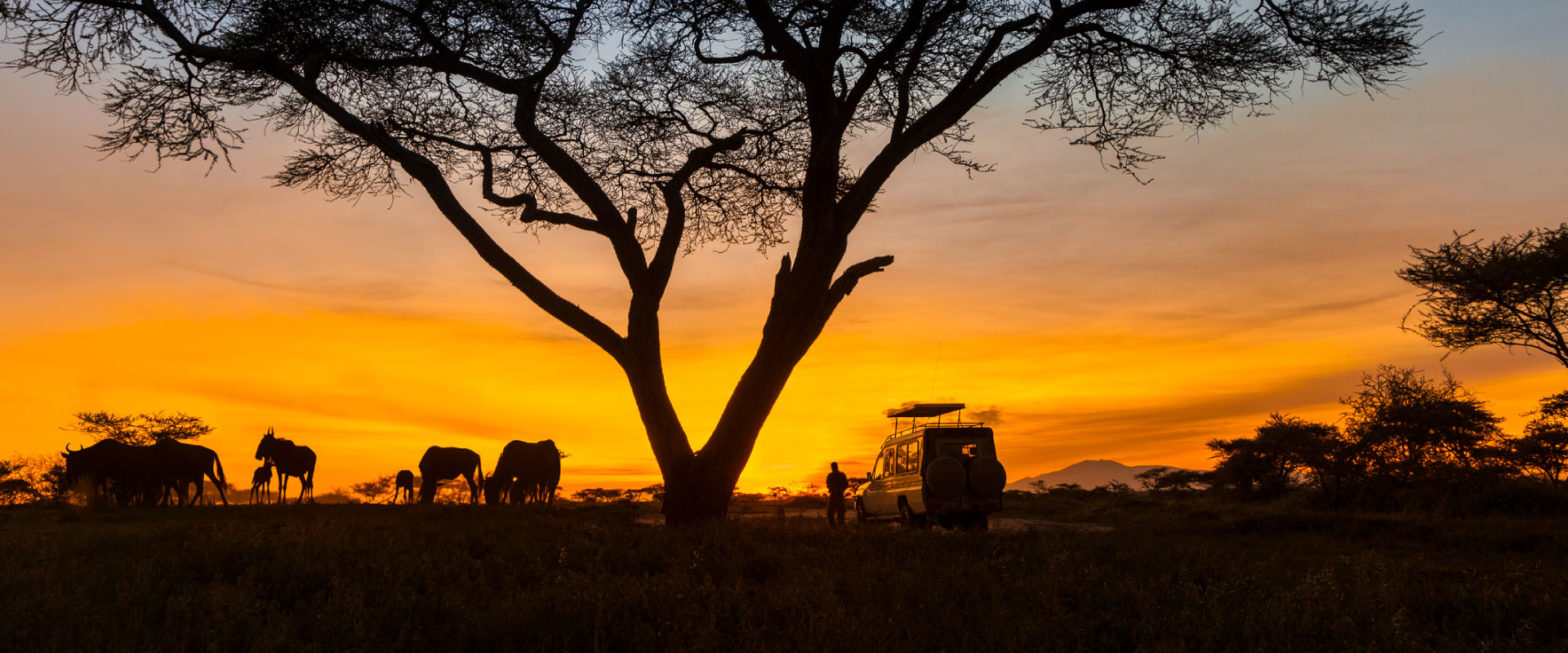
12-days Kenya wildlife safaris provide the perfect window of time to truly understand Kenya’s wildlife. Rather than rushing from camp to camp, this pacing allows you to settle into the natural rhythm of the bush, moving intentionally from open, sun-drenched savannahs to the striking shores of the Great Rift Valley lakes.
12-days-comprehensive-kenya-safari-circuit
12-days-kenya-tanzania-safari-and-zanzibar-beach-holiday-vacation
12-days-lake-nakuru-masai-mara-central-serengeti-ngorongoro-crater-amboseli-kenya-tanzania-safari
12-days-kenya-and-uganda-primate-and-savanna-circuit
12-days-northern-wilderness-and-conservation-focus-kenya-wildlife-safari
12-days-classic-southern-parks-and-great-rift-valley-kenya-safari-tour
12 Days Classic Kenya Safari (Southern Circuit)
Discover the diverse ecosystems of Kenya’s premier southern circuit on this comprehensive ten-day journey. This itinerary connects distinct geographical zones, from the high-altitude plains under Mount Kilimanjaro to the dramatic volcanic scars of the Great Rift Valley. Travelers will navigate open savannahs, dense acacia woodlands, and tranquil freshwater lakes that support an immense concentration of resident wildlife. You will track massive elephant herds across red-dirt plains, walk among free-roaming herbivores, and monitor legendary predators in their natural habitats. Combining traditional game drives with boat excursions and foot safaris, this route offers an authentic perspective on East African conservation. It stands as an ideal expedition for wildlife enthusiasts, photographers, and those seeking a profound connection with the natural world. Your exploration of Kenya's rich biological heritage begins here.
Day-by-Day Itinerary
Days 1-2: Nairobi to Amboseli National Park
Upon arrival in Nairobi, you will transfer directly south toward Amboseli National Park, situated along the Tanzania border. The park is famous for its open plains, which sit directly beneath the massive, snow-capped dome of Mount Kilimanjaro. This towering volcanic mountain provides a striking backdrop for wildlife photography throughout your stay. Over these two days, you will conduct multiple game drives across the arid basin and through the lush, emerald-green swamps. These wetlands are fed by underground streams from the mountain and attract large numbers of elephants, hippos, and migratory waterfowl. You will also search for lions, cheetahs, and spotted hyenas traversing the dry lake beds, while plains game like zebras and wildebeest graze nearby.
Days 3-4: Tsavo West National Park
You will leave Amboseli and drive east into Tsavo West National Park, a region defined by its rugged, volcanic geography. The landscape features ancient lava flows, rocky ridges, and dense acacia woodlands. Your exploration includes a visit to Mzima Springs, where millions of gallons of crystal-clear water filter through underground rocks daily. A specialized underwater viewing chamber allows you to observe hippos and crocodiles swimming alongside freshwater fish. You will spend your time navigating the network of tracks around the Shetani lava flow and the Chaimu crater, looking for specialized browsers like the lesser kudu and the fringe-eared oryx. Leopards frequent the rocky outcrops, and you will visit a dedicated rhino sanctuary to learn about local conservation efforts.
Days 5-6: Tsavo East National Park
Your journey continues into Tsavo East National Park, one of Kenya's oldest and largest protected areas. In contrast to Tsavo West, this park features vast, flat semi-arid plains and sweeping grassland horizons. The region is famous for its rich, iron-red soil. You will observe the iconic "red elephants," which receive their unique coloration from dusting themselves in the crimson earth to protect against insects and heat. Over these two days, you will drive along the Yatta Plateau—the world’s longest fossilized lava flow—and visit Lugard Falls on the Galana River. Here, giant Nile crocodiles bask on the rocks. You will track the area's famous man-less lions, cheetahs, and large herds of Cape buffalo moving across the plains.
Days 7-8: The Great Rift Valley & Lake Naivasha
You will journey northwest, descending into the Great Rift Valley to reach the freshwater shores of Lake Naivasha. This deep-valley lake is ringed by yellow-barked fever trees and acts as a vital water source for local wildlife. You will board a boat for a guided cruise, navigating past large pods of resident hippos and watching African fish eagles hunt. Afterward, you will step ashore onto Crescent Island for a guided walking safari. Because there are no large predators on the island, you can safely walk alongside giraffes, zebras, waterbucks, and impalas. The remaining time allows for an optional excursion to Hell’s Gate National Park to explore deep sandstone gorges and view geothermal steam vents.
Days 9-11: Maasai Mara National Reserve
You will travel across the floor of the Rift Valley to the Maasai Mara National Reserve, globally recognized for its exceptional predator populations. The reserve consists of endless rolling grasslands punctuated by distinctive acacia trees. Over three full days, you will explore different sectors of the reserve to track the "Big Five." Your game drives will take you toward the Mara River, where hippos and crocodiles congregate. Depending on the season, you may witness large herds of wildebeest and zebras navigating the plains. You will monitor prides of lions resting in the shade, cheetahs utilizing termite mounds as lookouts, and leopards hidden in riverine forests. You will also have the opportunity to visit a local Maasai village.
Day 12: Return to Nairobi
On your final morning, you will enjoy a final breakfast at your camp before commencing the drive back to Nairobi. The route takes you back up the steep western escarpment of the Great Rift Valley, offering expansive views of the valley floor below. Upon reaching the capital city in the afternoon, you will be transferred to a local restaurant for a farewell meal or directly to Jomo Kenyatta International Airport for your international departure flight. This brings your comprehensive southern circuit safari to a close, leaving you with extensive field notes, thousands of wildlife photographs, and a deep understanding of Kenya’s diverse ecosystems and successful conservation initiatives.
12 Days Great Migration and Northern Wilderness Expedition
This specialized ten-day itinerary is strategically designed around East Africa's premier wildlife phenomenon: the Great Migration. By anchoring the core of the journey in the Maasai Mara National Reserve during the critical July-to-October window, travelers gain maximum exposure to the dramatic river crossings and heightened predator activity that define this seasonal movement. The route then transitions through distinct ecological zones across the central and northern interior, moving from the Rift Valley lakes to the dry lahar plains of the Laikipia Plateau and the arid shrublands of Samburu. Each destination introduces unique conservation models, from intensive rhinoceros sanctuaries to specialized community-led preserves. This expedition delivers an exhaustive study of habitat diversity and wildlife behavior, making it exceptional for dedicated naturalists, field photographers, and wildlife professionals. Your immersive migration and northern circuit documentation starts here.
Day-by-Day Itinerary
Days 1-2: Nairobi to Maasai Mara National Reserve
Your journey commences in Nairobi with morning site visits to key urban conservation hubs, including the David Sheldrick Wildlife Trust to observe orphan elephant rehabilitation and the Giraffe Centre to study endangered Rothschild's giraffes. Following these educational briefings, you will transfer to the Maasai Mara National Reserve via a scheduled domestic flight or a vehicle transit down the Great Rift Valley escarpment. Upon arrival in the Mara ecosystem, you will establish your base at a tented camp. The initial afternoon game drives focus on assessing the distribution of the migrating herds as they spread across the southern grass plains. You will monitor the perimeter of incoming migratory movements and observe the resident lion prides and spotted hyena clans reacting to the sudden influx of seasonal plains game.
Days 3-7: Immersion in the Migration Sectors
These five days are entirely dedicated to intensive field tracking across the Maasai Mara’s most dynamic wildlife sectors, including the Mara Triangle, the Musiara Marsh, and the Talek River loops. By operating daily radio communication and utilizing regional guide networks, you will position your vehicle near key entry points along the Mara River to document wildebeest and zebra herds negotiating the steep banks and avoiding Nile crocodiles. The massive concentration of prey during these months triggers significant activity among apex predators; you will monitor nomadic male lions, territorial cheetahs utilizing high vantage points, and leopards caching kills in riverine forests. Extended daylight tracking allows for detailed observations of herd dynamics, anti-predator strategies, and the vital role of avian scavengers within the ecosystem.
Day 8: Maasai Mara to Lake Nakuru National Park
You will depart the Mara plains and travel northeast into the central basin of the Great Rift Valley to reach Lake Nakuru National Park. This compact, fully fenced sanctuary provides critical protection for highly vulnerable mammal species within an intensively managed perimeter. The shallow alkaline lake serves as a seasonal feeding site for nomadic lesser and greater flamingos, alongside an abundance of other waterbirds such as great white pelicans. Your game drives will navigate the fever tree woodlands and rocky ridges to locate resident populations of both southern white rhinoceroses and critically endangered black rhinoceroses. The park is also known for its high density of leopards and herds of rare Rothschild's giraffes, offering excellent mammal tracking within a single day.
Days 9-10: Laikipia Plateau & Ol Pejeta Conservancy
Your route continues northward, ascending the interior highlands toward the Laikipia Plateau to enter the private Ol Pejeta Conservancy. Positioned in the rain shadow of Mount Kenya, this private reserve stands as the largest black rhinoceros sanctuary in East Africa and hosts the world's last remaining northern white rhinoceroses under constant armed protection. You will conduct game drives to observe these massive herbivores and visit the Sweetwater’s Chimpanzee Sanctuary, a specialized facility established with the Jane Goodall Institute to rehabilitate primates rescued from the illegal global pet trade. The private status of the conservancy permits monitored night game drives, providing a rare opportunity to document nocturnal species such as bat-eared foxes, servals, zorillas, and hunting lions.
Days 11-12: Samburu National Reserve to Nairobi
You will head further north into the semi-arid lowlands of the Samburu National Reserve, a rugged landscape bisected by the Ewaso Ng'iro River. This distinct geographical zone supports specialized wildlife adapted to dry conditions, known textually as the "Samburu Special Five": the reticulated giraffe, Grevy's zebra, Beisa oryx, Somali ostrich, and the long-necked gerenuk. Your final days will focus on tracking these endemic species along the riverine forests and doum palm groves where wildlife concentrates for water. Predators, particularly leopards and desert-adapted lions, are frequently encountered on the rocky kopjes. On Day 12, you will conduct a final morning census before returning to Nairobi for your onward flight, concluding your comprehensive migration and northern wilderness circuit.
12 days Northern Frontier Adventure
This twelve-day itinerary charts a course through Kenya’s starkly beautiful northern frontier and central highlands. Designed for seasoned travelers seeking isolation and raw ecosystems, this route avoids the heavily trafficked southern parks in favor of arid shrublands, volcanic craters, desert lakes, and misty montane forests. You will transition from the home of northern endemic wildlife into the remote reaches of the Chalbi Desert and the Jade Sea, before returning south via intensive wildlife sanctuaries and high-altitude mountain ranges. This expedition provides deep insights into community-led conservation, unique evolutionary adaptations, and dramatic geological formations. It represents the ultimate journey for those who measure adventure by the remoteness of the horizon.
Day-by-Day Itinerary
Days 1-2: Nairobi to Samburu National Reserve
Your expedition departs the central highlands of Nairobi, heading north past the rolling slopes of Mount Kenya and descending into the semi-arid lowlands of the Samburu National Reserve. This rugged wilderness is defined by red dirt, continuous heat, and the life-giving Ewaso Ng'iro River. Over these two days, your field tracking will center on locating the region's specialized endemic wildlife, collectively known as the "Samburu Special Five." You will monitor the riverbanks and doum palm groves to document reticulated giraffes, critically endangered Grevy's zebras, Beisa oryx, Somali ostriches, and long-necked gerenuks browsing on high branches. Predators are highly visible here; you will search the granite kopjes and acacia thickets for leopards, desert-adapted lions, and packs of endangered African wild dogs.
Day 3: Buffalo Springs National Reserve
Today is spent exploring Buffalo Springs National Reserve, which sits directly across the Ewaso Ng'iro River from Samburu. Named after an oasis of clear perennial springs formed by underground streams, this reserve features gently rolling plains and basalt lava terraces. You will focus your game drives around these vital water sources, where massive herds of Cape buffalo, desert elephants, and plains zebras congregate to drink and wallow. The marshy vegetation around the springs provides excellent cover for lions and leopards planning ambush maneuvers. You will also scan the open scrub for unique avian species, including the striking vulturine guineafowl. The contrasting landscapes between the two reserves offer a comprehensive understanding of this fragile riverine ecosystem.
Day 4: Samburu to Marsabit National Park
You will journey further north into the true frontier, crossing the expansive Kaisut Desert to reach Marsabit National Park. Rising like a green fortress out of the surrounding desert plains, this park encompasses an isolated, mist-shrouded volcanic mountain covered in dense, pristine montane forest. The cool, humid climate here offers a stark contrast to the arid lowlands below. Your exploration will center around the park’s spectacular water-filled volcanic craters, particularly Lake Paradise, which sits inside a collapsed caldera. This ancient forest is famous for harboring some of Africa's largest tusked elephants, whose genetics have allowed them to grow massive, sweeping ivory. You will also watch for greater kudus, bushbucks, and diverse forest birds.
Days 5-6: Marsabit to Lake Turkana (The Jade Sea)
You will traverse the stark, windswept plains of the Chalbi Desert, navigating a terrain of salt pans and sand dunes to reach the shores of Lake Turkana, famously known as the Jade Sea due to its striking turquoise coloration. This is the world's largest permanent desert lake, surrounded by a dramatic, lunar-like landscape of black volcanic rock, extinct cones, and ancient lava flows. Over these two days, you will study the unique adaptations of life in this extreme environment. You will visit the rocky shorelines to observe the world's largest concentrated colony of Nile crocodiles and explore the volcanic features of the region. You will also interact with the resilient local communities who have adapted to this arid environment.
Days 7-9: Lake Turkana to Ol Pejeta Conservancy
You will turn south, retracing your path through the northern plains and ascending onto the fertile Laikipia Plateau to reach the private Ol Pejeta Conservancy. Positioned between the Aberdare Range and Mount Kenya, this highly secured sanctuary boasts the highest density of wildlife in the region. Over three days, you will engage in intensive game viewing to track the "Big Five," including a vast population of black rhinoceroses. You will visit the world’s last remaining northern white rhinoceroses, living under constant armed guard, and tour the Sweetwaters Chimpanzee Sanctuary to learn about primate rescue initiatives. The conservancy’s private status allows for night game drives, giving you the chance to document nocturnal predators, aardwolves, and caracals.
Days 10-11: Ol Pejeta to Aberdare National Park
Your route ascends further into the cool, mist-covered heights of Aberdare National Park, a protected area characterized by deep valleys, dense rainforests, and open moorlands at altitudes exceeding 3,000 meters. The landscape is dominated by plunging waterfalls, including the spectacular Karuru and Chania falls, which drop hundreds of meters into forested gorges. Your game drives through the thick bamboo zones and alpine moorlands will target unique, melanistic species; the park is famous for its black leopards and black servals. You will track herds of forest elephants, Cape buffaloes, and the elusive, forest-dwelling bongo antelope. Your evenings will be spent at a unique tree lodge, watching wildlife visit illuminated salt licks and waterholes.
Day 12: Aberdare National Park to Nairobi
On your final morning, you will enjoy breakfast as the mist clears over the mountain peaks before commencing your return drive to Nairobi. The road descends through the fertile, terraced slopes of central Kenya, passing extensive tea and coffee plantations that cover the foothills of the Aberdare Range. You will arrive back in the capital city by early afternoon. Depending on your onward travel arrangements, you will be transferred to a local day room to rest, a central restaurant for a final debriefing meal, or directly to Jomo Kenyatta International Airport for your evening international flight. This brings your rugged northern frontier and central highlands adventure to a successful completion.
12 Days Kenya & Tanzania Cross-Border Safari
This comprehensive twelve-day expedition provides a complete overview of East Africa’s premier wildlife ecosystems by linking the iconic sanctuaries of Kenya and Tanzania. The journey tracks through distinct geographical habitats, starting in the shadow of Mount Kilimanjaro before moving through the baobab-studded plains of Tarangire and the volcanic caldera of the Ngorongoro Crater. The core of the itinerary bridges the international border separating the Serengeti National Park and the Maasai Mara National Reserve, allowing for thorough documentation of the continuous savannah ecosystem. By utilizing strategic overland border points and returning via a regional flight, this route maximizes field time while maintaining logistical efficiency. This itinerary represents the definitive choice for dedicated naturalists seeking an uninterrupted study of large mammal migrations and diverse conservation management models across two nations.
Day-by-Day Itinerary
Days 1-2: Nairobi to Amboseli National Park
Your expedition begins with an overland transfer south from Nairobi to Amboseli National Park, situated along the Tanzanian border. The park features an open, arid basin broken by expansive, emerald-green marshes fed by the underground meltwater of Mount Kilimanjaro. This towering, snow-capped volcano dominates the skyline, providing exceptional opportunities for landscape and wildlife photography. Over these two days, your game drives will focus on tracking the park's famous elephant herds as they navigate the wetlands. You will also scan the dry plains for apex predators, including lions and cheetahs, tracking resident zebras, wildebeest, and gazelles. The combination of open flats and concentrated marshes offers an excellent baseline study of herbivore foraging habits.
Days 3-4: Overland to Tarangire National Park via Namanga
You will depart Amboseli and drive to the Namanga border post to complete customs and immigration formalities. After a coordinated vehicle transition to your Tanzanian guide, you will proceed past Arusha into Tarangire National Park. This park is characterized by its rolling terrain, massive ancient baobab trees, and the seasonal Tarangire River, which serves as the primary water source for the entire ecosystem. During your afternoon and morning game drives, you will observe large elephant migratory groups congregating along the riverbeds. You will track specialized arid-zone antelopes, such as the fringe-eared oryx and the long-necked gerenuk, while monitoring tree-climbing lions and leopards resting within the dense riverine woodlands.
Days 5-6: Ngorongoro Crater Conservation Area
Your route leads west, ascending the outer slopes of the Great Rift Valley to reach the Ngorongoro Crater, the world’s largest intact, unfilled volcanic caldera. You will descend the steep 600-meter forested walls to spend these two days conducting intensive wildlife censuses across the 260-square-kilometer crater floor. The caldera contains a self-contained ecosystem comprising open grasslands, acacia woodlands, and the alkaline Lake Magadi. This dense concentration of wildlife permits unparalleled monitoring of the "Big Five." You will look for endangered black rhinoceroses moving across the plains, pride structures of resident lions, spotted hyena clans, and large numbers of Cape buffaloes, zebras, and wildebeest utilizing the permanent freshwater marshes.
Days 7-8: Serengeti National Park
You will travel northwest out of the highlands, descending onto the vast, open plains of the Serengeti National Park, an ecosystem globally recognized for its sheer scale and biological diversity. Over these two days, your field tracking will navigate the golden grass savannahs, granite kopjes, and acacia woodlands that define the reserve. You will monitor the movements of resident and migratory herbivores, observing the complex spatial dynamics of massive wildebeest and zebra herds. Predators are highly active here; you will search the kopjes for territorial lion coalitions, track cheetahs scanning the open horizons from termite mounds, and document leopards hidden within the branches of yellow-barked fever trees along the Seronera River valley.
Day 9: Serengeti to Maasai Mara via Isebania Border
This day involves a significant overland transit as you travel northwest out of the Serengeti toward the Isebania border post. Upon arrival at the frontier, you will clear Tanzanian exit protocols and complete Kenyan entry requirements. You will walk across the border to rejoin a Kenyan safari vehicle and drive directly into the western sector of the Maasai Mara National Reserve. This travel corridor highlights the continuity of the ecosystem, demonstrating how the wildlife ignores the political boundaries separating the two countries. You will arrive at your new base camp in the late afternoon, conducting a brief orientation game drive along the Mara plains to assess current seasonal herd distributions.
Days 10-11: Full-Day Maasai Mara Field Tracking
These two days are completely dedicated to extensive, long-range game drives across the varied terrain of the Maasai Mara, including the Mara Triangle and the plains surrounding the Talek River. The reserve is famous for supporting exceptionally high densities of apex predators; you will monitor active lion prides, tracking cheetah coalitions, and spotted hyenas hunting across the open plains. Your routes will target the riverine loops, where you can document large hippopotamus pods and massive Nile crocodiles occupying the deeper channels. Depending on the timing of your visit, you will observe the intense concentration of migratory herds navigating the grasslands, studying anti-predator herd behaviors and the complex dynamics of the local savannah ecosystem.
Day 12: Maasai Mara to Nairobi
On your final morning in the bush, you will conduct a final short game drive to record any remaining wildlife observations and capture early morning photographs of the savannah. Following breakfast, you will transfer to a local airstrip within the reserve to board a scheduled domestic flight back to Nairobi. This scenic aerial transit provides an expansive perspective of the Great Rift Valley escarpment below. Upon landing at Wilson Airport in Nairobi, you will be met and transferred to a local establishment for a final debriefing meal, or directly to Jomo Kenyatta International Airport to check in for your evening international flight home.
12 Days Birding & Rift Valley Lakes
This twelve-day specialist itinerary is meticulously structured around the distinct geological features and rich birdlife of Kenya’s Great Rift Valley. Moving at a deliberate pace to optimize field documentation, the route samples diverse habitats, including highland urban sanctuaries, alkaline soda lakes, freshwater marshes, and expansive savannahs. Participants will explore the unique ecological niches created by tectonic activity, noting how shifts in water chemistry dictate the seasonal movements of nomadic waterfowl. By prioritizing extended observation windows over rapid transit, this expedition allows serious birdwatchers and nature photographers to record hundreds of avian species, from pelagic feeders to specialized raptors and rare forest interior birds. The journey concludes in the Maasai Mara, offering a comprehensive study of how avian communities interact with massive resident mammal populations.
Day-by-Day Itinerary
Days 1-2: Nairobi Urban Habitation & Forest Canopies
Your ornithological expedition opens in Nairobi with targeted excursions to key historical and ecological sites. You will visit the Karen Blixen Museum, situated within mature indigenous woodlands that provide habitat for specialized highland species like the Hartlaub's turaco and the Narina trogon. The field work expands into Nairobi National Park, a unique ecosystem where pristine grasslands meet upland dry forests. Here, you will catalog open-country birds, including the secretarybird, the grey crowned crane, and various bustard species, alongside large resident herbivores. Your guide will assist in identifying subtle differences among local cisticolas and pipits. These initial days establish a solid baseline for understanding how avian distribution changes as you descend from the central highlands into the deeper valley floor basins.
Days 3-4: Lake Nakuru National Park
You will travel northwest from the capital, descending the escarpment into the central Great Rift Valley to enter Lake Nakuru National Park. This enclosed reserve centers on a highly dynamic alkaline lake that serves as a critical feeding node for nomadic waterfowl. You will monitor the changing shoreline to document lesser flamingos filtering blue-green cyanobacteria, alongside taller greater flamingos tracking shallow invertebrates. The lake’s acacia fringe and yellow-barked fever tree woodlands are exceptional for spotting large breeding colonies of great white pelicans, African spoonbills, and various herons. Between birding stops, you will conduct game drives to locate resident black and white rhinoceroses, Rothschild's giraffes, and tree-climbing lions, observing how these large mammals share the lakeside grassland corridors.
Days 5-6: Lake Bogoria National Reserve
Your journey continues further north into the arid interior to explore Lake Bogoria National Reserve, a rugged volcanic basin famed for its geothermal activity. This deep soda lake features dramatic geysers and steaming hot springs along its western shoreline, creating an otherworldly landscape where massive flocks of lesser flamingos congregate. You will spend your time conducting shoreline transects to document these vast crimson congregations and exploring the adjacent Kesubo Swamp, a vital wetland patch that supports over 350 recorded bird species. Look for specialized raptors like the African fish eagle and the Verreaux's eagle soaring along the steep Siracho Escarpment, while tracking elusive greater kudus moving through the surrounding dense, semi-arid commiphora scrublands.
Days 7-8: Lake Naivasha Freshwater System
You will turn south to reach Lake Naivasha, one of the few freshwater bodies within the rift floor, which offers a complete contrast to the alkaline lakes. This vast lake is ringed by papyrus swamps and submerged macrophyte beds, making it a major habitat for diving ducks, rails, and jacanas. You will board a boat for targeted water birding, navigating close to large pods of resident hippopotamuses to log malachite kingfishers, African skimmers, and goliath herons. A walking excursion on Crescent Island lets you safely observe long-toed lapwings and blacksmith plovers on foot alongside zebras and waterbucks. The remaining time can include an optional visit to the deep gorges of Hell's Gate National Park to document cliff-nesting Ruppell's griffon vultures.
Days 9-11: Maasai Mara National Reserve
Following a scheduled domestic flight from the Rift Valley directly into the Maasai Mara National Reserve, you will transition to a classic savannah biome. The endless rolling plains, punctuated by isolated balanites trees and dense riverine forests, host an exceptionally high concentration of both residential and migratory avifauna. Over three full days, you will study apex predators—including lions, leopards, and cheetahs—while shifting focus to the sky to catalog over fifty distinct raptor species, including white-backed vultures, martial eagles, and bateleurs. You will explore the thick thickets along the Talek and Mara rivers to identify specialized interior foragers, including weavers, sunbirds, and rollers, documenting how these diverse avian communities utilize seasonal pulses of plains game.
Day 12: Return to Nairobi
On your final morning in the field, you will conduct a brief dawn census along the riverine forest edge, capturing final data entries and photographing any remaining bird species as the sun warms the savannah. After a final camp breakfast, you will be transferred to a local bush airstrip for your scheduled return flight to Nairobi. This aerial journey provides an expansive perspective of the varied geological terrains you have explored over the past twelve days. Upon arrival at Wilson Airport, you will be met and transferred to a quiet day room to organize your field notes and pack equipment, or driven directly to Jomo Kenyatta International Airport for your international departure flight home.
When is the best time for 12 Days Kenya wildlife safaris
The optimal timing for your expedition depends entirely on which circuit you choose. For the Great Migration and the Classic Southern Circuit, the dry season from July to October is unmatched. During these months, the weather is cool and dry, vegetation thins out, and wildlife congregates predictably around permanent water sources, making tracking much easier. This period also coincides with the dramatic wildebeest river crossings in the Maasai Mara. If you are leaning toward the Birding and Rift Valley lakes itinerary, the green season from November to April is spectacular. The short and long rains bring life to the valleys, triggering plants to bloom and attracting hundreds of migratory bird species from Europe and Asia. For the Northern Frontier, January to March offers clear skies and excellent visibility for spotting specialized desert-adapted wildlife.
Where to Stay on Your 12 Days Kenya wildlife safaris
Accommodations are carefully selected to match the specific character of each ecosystem, balancing comfort with raw wilderness immersion. In premier game reserves like the Maasai Mara and Amboseli, we utilize luxury canvas tented camps. Built on raised wooden platforms with en-suite bathrooms and private verandas, these camps allow you to hear the nighttime chorus of the bush while enjoying modern amenities. When exploring rugged volcanic regions like Tsavo West or the high-altitude heights of Aberdare National Park, we opt for classic stone-and-timber wilderness lodges. Many of these properties feature subterranean viewing bunkers or overlook illuminated salt licks, allowing you to watch elephants, leopards, and rhinos come down to drink directly from the comfort of the lounge. Along the Rift Valley lakes, serene waterfront resorts offer lush gardens frequented by resident giraffes and waterbucks.
Booking with Roads of Adventure Safaris
When you choose to design your twelve-day journey with Roads of Adventure Safaris, you are partnering with a passionate team deeply rooted in East African conservation. We don't believe in rigid, mass-produced tour packages; instead, we handcraft every route to align perfectly with your specific interests, whether you are an elite wildlife photographer chasing golden-hour lighting or a family seeking an educational adventure. Our private, customized 4x4 safari landcruisers are fully equipped with pop-up roofs for unobstructed, 360-degree viewing and charging ports for your camera gear. Most importantly, you will be accompanied by our elite, local professional safari guides who possess an intimate, lifelong understanding of animal tracking and regional ecosystems. From navigating complex cross-border logistics to organizing community-inclusive cultural encounters, we manage every fine detail so you can completely lose yourself in the magic of the wild.
