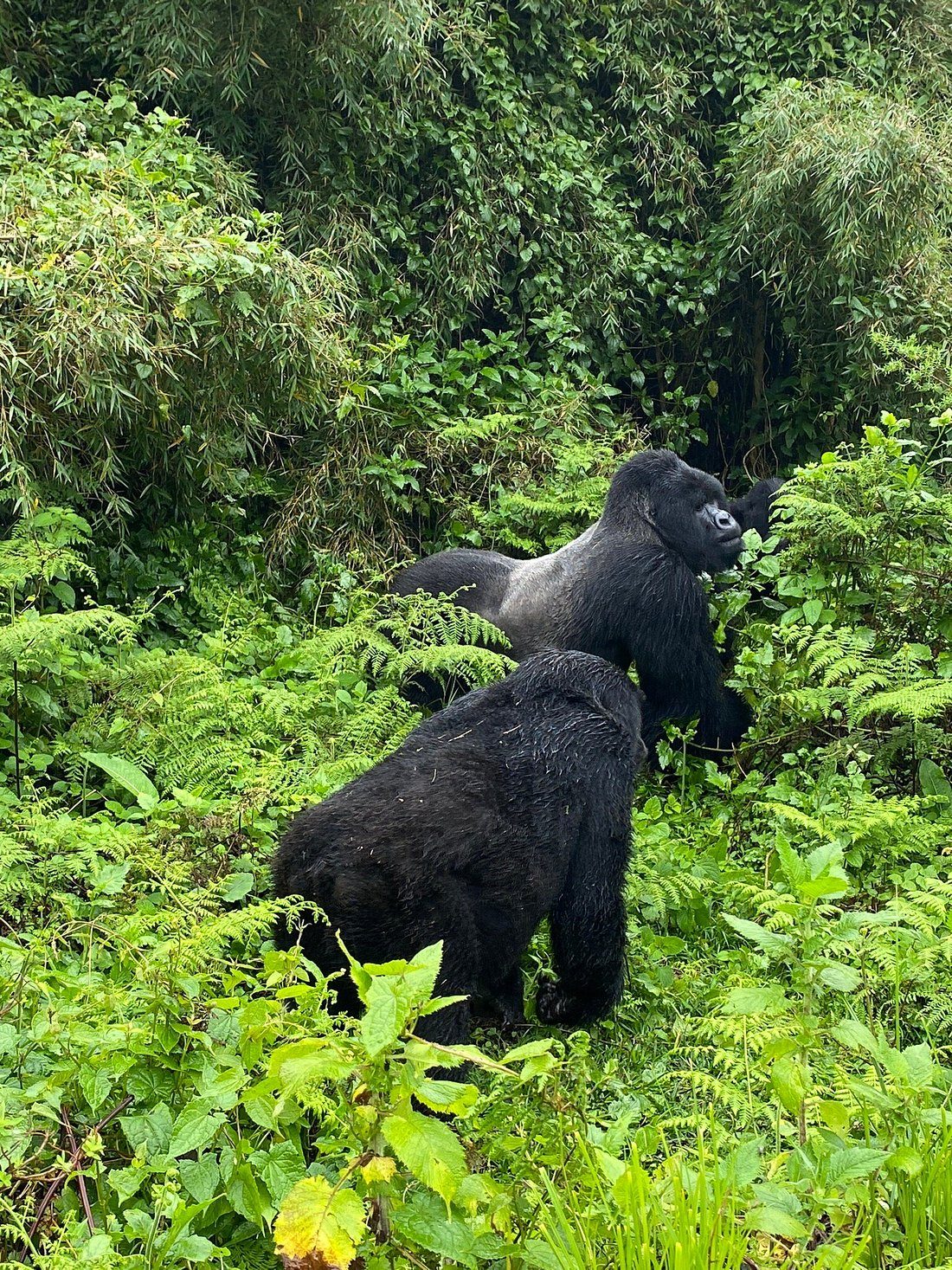
This 12 Days customizable Uganda Kenya safari luxury trip offers a seamless multi-country expedition through East Africa’s prime wildlife habitats. The route connects Uganda’s mist-shrouded montane forests with Kenya’s vast open savannahs using private bush flights to eliminate tedious long-distance driving. You will track wild mountain gorillas in Bwindi Impenetrable Forest, where roughly 459 individuals reside across steep ridges. The journey then shifts across the border to the 1,510-square-kilometer Maasai Mara National Reserve for classic Big Five encounters and river crossings. Additional stops include the protected rhino sanctuaries of Lake Nakuru and the elephant-rich swamps of Amboseli beneath Mount Kilimanjaro’s 5,895-meter peak. With high-end accommodations, expert local tracking guides, and personalized flight schedules, this trip balances deep field observation with refined comfort across two distinct ecological systems.
Day 1: Arrival in Entebbe (Uganda)
Touch down at Entebbe International Airport (EBB), set on a peninsula along Lake Victoria at an elevation of 1,150 meters. Complete entry immigration before meeting your private safari representative outside the arrivals terminal. A short 15-minute transfer brings you to your boutique lakeside hotel, such as Hotel No.5 or Karibu Tenbit. Spend the afternoon resting in tropical gardens or exploring the 40-hectare Entebbe Botanical Gardens, home to Great Blue Turacos and Black-and-white Colobus monkeys. Dinner is served on the terrace overlooking the lake. Receive your detailed briefing covering flight logistics, luggage weight limits (15 kg in soft duffel bags), and trekking permits for the upcoming rainforest sector. Get a restful night’s sleep before your morning bush flight into the Kigezi Highlands.
Day 2: Fly to Bwindi Impenetrable National Park
Following an early breakfast, transfer 10 minutes to Entebbe Airport or Kajjansi Airfield. Board a scheduled 75-minute Aerolink flight west across Uganda, landing at Kihihi Airstrip or Kisoro Airstrip. Your private 4x4 Land Cruiser driver meets you upon arrival for a scenic 90-minute drive through rural villages and terraced hillsides. Arrive at your luxury lodge on the edge of Bwindi, such as Sanctuary Gorilla Forest Camp or Clouds Mountain Gorilla Lodge, situated at 2,000 meters elevation. The 321-square-kilometer Bwindi forest protects over 160 tree species and 350 bird species. Check into your private stone cottage, enjoy lunch prepared with local ingredients, and spend the afternoon adjusting to the cooler mountain air while taking in views of the dense forest canopy.
Day 3: Mountain Gorilla Trekking in Bwindi
Report to the Uganda Wildlife Authority (UWA) park headquarters at 07:30 for registration and an orientation briefing. You are assigned to a habituated gorilla family alongside an armed ranger and trackers. Enter the rainforest at 08:00, hiking through dense bamboo and vines. The trek lasts between two and six hours over slippery terrain at altitudes ranging from 1,160 to 2,600 meters. Upon locating the family, spend precisely 60 minutes observing the silverback, females, and juveniles feeding and grooming from a safe distance of seven meters. Return to the trailhead to collect your official tracking certificate. Your private vehicle transfers you back to the lodge for a warm shower, boot cleaning service, and a relaxing evening around the fireplace.
Day 4: Batwa Cultural Experience & Nature Walk
Spend a gentle morning on a guided forest border walk led by an expert local naturalist. Identify endemic Albertine Rift bird species, such as the Regal Sunbird and Black-billed Turaco, alongside medicinal plants used by surrounding communities. In the afternoon, meet members of the indigenous Batwa community, the original hunter-gatherer inhabitants of the Bwindi canopy. Learn about their traditional forest survival skills, including medicinal leaf gathering, shelter construction, fire-making techniques, and ancestral music traditions. This interaction provides insight into how conservation policies balancing human heritage and wildlife protection evolved after Bwindi became a National Park in 1991. Return to your lodge in the late afternoon to unwind, enjoy a multi-course dinner, and prepare your luggage for tomorrow’s cross-border flight.
Day 5: Fly to Kenya (Maasai Mara)
Depart your lodge after breakfast for the local airstrip. Board a charter or scheduled flight back toward Entebbe for international immigration clearing, or take a direct cross-border air transfer via Kisumu to Kenya. Touch down at an airstrip in the Maasai Mara, such as Ol Kiombo or Mara Serena, by early afternoon. Your Kenyan guide welcomes you in a custom open-sided 4x4 safari vehicle and transfers you to your luxury camp, such as Sanctuary Olonana or Mara Plains Camp. The 1,510-square-kilometer reserve sits at 1,500 meters altitude. After check-in and lunch, head out on an initial 3-hour afternoon game drive across the acacia-dotted grasslands. Spot resident prides of lions, topis, and herds of zebras before returning for dinner.
Day 6 & 7: Full-Day Maasai Mara Game Drives
Dedicate two full days to wildlife observation across the Mara triangle and central plains. Depart camp at 06:30 with packed bush breakfasts to maximize time in the field when predators are most active. Track lions, leopards, cheetahs, spotted hyenas, and large herds of elephants. If visiting between July and October, position your vehicle near key river points along the Mara River to monitor wildebeest and zebra herds negotiating crocodile-infested currents. Learn about predator territorial behaviors and ungulate migration patterns from your private guide. Enjoy hot coffee and breakfast out on the savannah beneath an acacia tree. Return to camp during the hot midday hours for a massage or pool rest, followed by late afternoon drives concluding with sunset drinks overlooking the plains.
Day 8: Maasai Village Visit & Fly to Lake Nakuru
Start the morning with a guided visit to a local Maasai manyatta (village). Observe traditional Adumu jumping dances, tour homestead structures built from natural materials, and speak with village elders about pastoral customs and modern wildlife conservancy partnerships. Afterward, transfer to the airstrip for a 45-minute flight to the Great Rift Valley, landing near Lake Nakuru National Park. Check into a luxury property like Cliff Nakuru, set high on a limestone ridge overlooking the 45-square-kilometer alkaline lake. The park serves as a protected sanctuary for both Black and Southern White Rhinoceros, as well as the endangered Rothschild’s giraffe. Conduct an afternoon game drive along the lake shores to view waterbucks, buffaloes, flamingos, and pelicans before returning for dinner.
Day 9: Lake Nakuru to Amboseli National Park
Take an early morning game drive along the acacia woodlands of Lake Nakuru to spot roosting leopards and grazing rhino crashes near the water’s edge. Return to the lodge for breakfast before transferring to the local airstrip. Fly south via Nairobi to Amboseli National Park, situated along the Tanzanian border at an elevation of 1,100 meters. Arrive at your luxury lodge, such as Tortilis Camp or Ol Tukai Lodge, where open guest tents look directly toward Mount Kilimanjaro’s snow-capped summit. After lunch, set out on a late afternoon drive through the park’s dusty plains and permanent freshwater swamps fed by underground glaciers. Observe large elephant families bathing in the marshes alongside hippos, grey crowned cranes, and African fish eagles.
Day 10: Amboseli National Park
Spend a full day exploring Amboseli’s diverse habitats, which cover 392 square kilometers. Morning light offers clear photo opportunities of Mount Kilimanjaro’s 5,895-meter peak before clouds gather midday. Drive to Observation Hill, a raised volcanic mound, for a panoramic walk overlooking the Enkongo Narok and Ol Okenya swamps. Watch bull elephants with massive tusks wading deep into green reeds while plains game graze on the surrounding dry drybeds. Your guide explains long-term elephant research programs that have monitored these herds since 1972. Search the drier scrub zones for gerenuks feeding on high branches, bat-eared foxes, and servicing prides of lions. Enjoy a formal bush lunch set up under shade trees, returning to camp before dusk for a farewell dinner.
Day 11: Return to Nairobi & Giraffe Centre
Enjoy a final early morning game drive in Amboseli as sunrise hits the peak of Kilimanjaro. After breakfast, transfer to the airstrip for a 45-minute flight to Wilson Airport in Nairobi. Your private vehicle transfers you to Karen, an leafy suburb of the capital. Visit the Giraffe Centre, operated by the African Fund for Endangered Wildlife (AFEW). Walk along raised wooden platforms to hand-feed pelleted food to habituated Rothschild’s giraffes while learning about breeding programs that restock wild parks. Check into a day-use suite at a luxury hotel like Hemingway’s Nairobi to refresh. In the evening, enjoy a fine-dining dinner at a top restaurant such as Talisman or Carnivore, celebrating the conclusion of your cross-border safari expedition.
Day 12: Departure
Enjoy a relaxed breakfast on the garden terrace of your hotel while finishing packing. Depending on your international flight schedule, you can opt for a brief visit to the Kazuri Beads artisan workshop or the Karen Blixen Museum to view early 20th-century history. Your private driver meets you at the hotel three hours prior to your scheduled flight departure for the 30-minute transfer to Jomo Kenyatta International Airport (NBO). Complete customs procedures, security checks, and lounge check-in before boarding your flight home, ending your 12-day Uganda and Kenya luxury journey.
Here are 10 key questions travellers often ask when planning a luxury cross-border safari between Uganda and Kenya, along with practical, in-depth answers to help you prepare.
1. How do light aircraft domestic flights handle luggage limits between parks?
Bush flights connecting Bwindi, the Maasai Mara, Lake Nakuru, and Amboseli operate on small propeller aircraft (such as Cessna Caravans) with strict weight and size restrictions. Passengers are generally allowed a maximum of 15 kg (33 lbs) of luggage per person, which must be packed in soft-sided bags without rigid frames or wheels so they can fit into the aircraft’s belly pods. If you bring hard-shelled suitcases, air charter companies will refuse them at airport gates. Fortunately, luxury lodges throughout Uganda and Kenya offer complimentary daily laundry services, meaning you only need 3 to 4 changes of lightweight clothing for the entire 12-day journey. If you accumulate extra souvenirs or have travel gear you won't need until your flight home, your tour operator can arrange to store your main hard luggage safely in Nairobi or Entebbe and return it to you at the end of your trip. Bringing a small 30-liter backpack as a carry-on ensures your cameras, lenses, tablets, and essential medications remain by your side during every scenic flight across the Great Rift Valley.
2. How are border crossings handled during light-aircraft transfers from Uganda to Kenya?
Crossing the international border between Uganda and Kenya via light aircraft is a smooth, organized process managed by your private safari team. On Day 5, your flight lands at an official border airstrip—typically Kisumu in Kenya or Entebbe/Jinja in Uganda—to clear immigration and customs procedures. At the airstrip, you disembark with your passports while your local driver or flight agent assists with international entry protocols. Because you are traveling between East African Community nations, securing an East Africa Tourist Visa in advance (issued by the first country you enter, in this case, Uganda) covers entry into both Uganda and Kenya under a single $100 permit, saving you significant time at immigration checkpoints. Ensure your passport has at least six months of validity remaining and at least two blank pages. The entire customs stop usually takes under 45 minutes, after which you reboard your private aircraft and continue straight onto the airstrip serving your Maasai Mara tented camp, arriving in time for afternoon tea.
What level of luxury and amenities can I expect at top-tier tented camps?
Luxury tented camps in East Africa redefine the concept of outdoor living by combining authentic wilderness proximity with five-star hotel standards. Far from basic camping, these permanent canvas suites are built on elevated wooden decks featuring plush king-sized beds, fine Egyptian cotton linens, polished hardwood furniture, and private verandas with open views over animal tracks or riverbanks. En-suite bathrooms include flush toilets, double vanity sinks, and hot running water supplied via solar systems or traditional copper bucket showers filled on request. Many ultra-luxury properties—such as Sanctuary Olonana or Mara Plains—offer private plunge pools, full spa services, indoor bathtubs overlooking the savannah, and 24-hour dedicated butler service to cater to your every preference. Electricity is supplied by quiet solar power systems, offering ample charging points for all your camera gear and devices. Gourmet multi-course meals are paired with fine imported wines and served under the stars, while round-the-clock security rangers ensure complete personal safety while walking between your private tent and the main lodge areas.
How does gorilla trekking in Bwindi compare to game drives in the Maasai Mara?
Gorilla trekking and savannah game drives are vastly different wilderness experiences that complement each other beautifully on a single itinerary. Gorilla trekking in Bwindi is an active, physical, and deeply intimate foot safari. You hike through untamed, high-altitude jungle, dealing with dense foliage, damp soil, and steep ridges until you stand just feet away from a wild primate family in their native element. It requires physical exertion and active participation, but yields an emotional connection that few nature experiences can match. By contrast, game drives in the Maasai Mara, Lake Nakuru, and Amboseli offer classic, relaxed safari vehicle observation. You traverse vast open plains in customized 4x4 Land Cruisers, enjoying elevated vantage points, shaded roofs, and built-in fridges stocked with cold drinks. While Bwindi focuses intensely on one legendary species per trek, savannah drives offer continuous variety—tracking prides of lions, herds of elephants, running cheetahs, and thousands of grazing ungulates across wide-open horizons in supreme comfort.
What health requirements and safety measures apply for this two-country luxury safari?
Health preparation for a combined Uganda and Kenya safari involves a few straightforward medical steps. A Yellow Fever vaccination certificate is mandatory when entering both Uganda and Kenya, and border guards will review your yellow international certificate. Malaria prophylaxis is strongly recommended for lowland areas like the Maasai Mara and Lake Nakuru; consult your travel physician for suitable options such as Malarone or Doxycycline. While visiting high-altitude regions like Bwindi (2,000+ meters), malaria risk drops significantly, but taking precautions against mosquitoes (long sleeves, insect repellent with DEET) remains standard practice. Tap water is not safe for drinking anywhere on safari; all luxury camps supply purified or bottled water for drinking and brushing teeth. Luxury lodges maintain on-call medical services, and reputable tour operators include Flying Doctors AMREF emergency evacuation insurance in your package. This guarantees that in the unlikely event of a serious medical emergency in a remote park, a dedicated air ambulance with medical personnel will evacuate you directly to a modern international hospital in Nairobi.
When is the absolute best time to book this specific luxury combined itinerary?
To experience both gorilla tracking in prime forest conditions and optimal wildlife viewing in Kenya, the best travel windows are June through September and December through February. During these dry seasons, Bwindi’s mountain trails are firmer and easier to navigate, while forest canopies thin out slightly, improving visibility for wildlife photography. In Kenya, the dry months force animals to gather around remaining waterholes and riverbanks, making big game easy to locate. If seeing the Great Migration is a top priority, schedule your trip between July and October when massive herds of wildebeest and zebra cross from the Serengeti into the Maasai Mara. However, if you prefer fewer vehicles around sightings and wish to enjoy lush green landscapes, booking during the shoulder months (such as late October, November, or January) offers incredible light for photography, vibrant birding, and exceptional lodge availability. Because gorilla permits in Uganda are capped daily and luxury tented camps in the Mara have limited rooms, booking 8 to 12 months in advance is essential.
What should I pack for a luxury safari that transitions from cold mountains to sunny plains?
Packing for a dual-region East African trip requires a versatile layering strategy due to varying temperatures. For gorilla trekking in Bwindi, pack quick-drying long trousers, lightweight long-sleeved shirts, thick tall socks (to tuck your pants into against safari ants), a waterproof rain jacket, and broken-in waterproof hiking boots with strong ankle support. A pair of gardening gloves is also recommended to protect your hands when gripping prickly vines on steep mountain trails. When transitioning to the Kenyan savannahs, switch to breathable clothing in neutral earth tones—khaki, tan, olive, and beige—which blend into the landscape and avoid attracting tsetse flies (which prefer dark blue and black). Pack short-sleeved shirts, lightweight shorts, a wide-brimmed sun hat, polarized sunglasses, and comfortable slip-on shoes for camp relaxations. Evenings on the open plains can get surprisingly chilly once the sun goes down, so bring a warm fleece jacket, a light scarf, and a windbreaker for early morning and evening game drives.
How private are the game drives and gorilla trekking experiences on this luxury trip?
On a high-end luxury itinerary, privacy is a defining feature of your safari experience. In Kenya's top parks and private conservancies (such as those surrounding the Maasai Mara), you operate with a private custom-built 4x4 Land Cruiser and a dedicated professional driver-guide exclusively for your travel party. You choose when to head out on drives, how long to stay at sightings, and when to pause for gourmet bush breakfasts or evening sundowners without accommodating outside guests. In Uganda, while your transfers and vehicle transport between airstrips and lodges are entirely private, the actual gorilla trekking walk in Bwindi is regulated strictly by the Uganda Wildlife Authority. Each habituated gorilla group is visited by a maximum of 8 tracking guests per day to minimize human impact on the primates. However, you can opt to book all 8 permits for your party to secure a completely private gorilla tracking experience, ensuring your group has the assigned ranger guides and the habituated family entirely to yourselves for that unforgettable hour.
How do conservancy fees and park permits contribute to local community conservation?
Every luxury safari ticket directly funds the protection of East Africa’s delicate ecosystems and surrounding rural communities. Gorilla permits in Uganda ($800 per person) directly support ranger patrols, veterinary care for wild gorilla troops through organizations like Gorilla Doctors, and infrastructure development; 20% of all park entrance revenue goes straight to local village communities bordering Bwindi to build schools, clinics, and clean water points. In Kenya, staying at luxury camps within private conservancies surrounding the Maasai Mara provides direct financial lease payments to local Maasai landowners. This economic model creates a sustainable incentive for pastoral communities to preserve wildlife corridors rather than converting natural habitats into farmland. Additionally, luxury camps prioritize hiring local staff, training surrounding community members as elite safari guides, and sourcing fresh produce from local farmers. By taking this journey, your travel footprint actively secures hundreds of thousands of acres of critical wilderness, providing stable livelihoods for local families while fighting wildlife poaching across East Africa.
What tipping guidelines should I follow for luxury lodge staff and safari guides?
Tipping in East Africa is a customary way to show appreciation for the hard work of guides, trackers, and camp staff who make your journey seamless. While tipping is always discretionary, following standard industry guidelines ensures your gratuities are fair and impactful. For your private Kenyan driver-guide and Ugandan safari driver, budget $20 to $30 per day per guest. For gorilla trekking in Bwindi, tip your main park ranger guide $20 per group, while trackers and armed security escorts usually receive $10 to $15 each per guest. Hiring a local porter in Bwindi ($20 base fee) is highly recommended—tipping them an extra $10 to $15 helps support local families directly. At luxury tented camps and lodges, most properties feature a central "General Staff Tip Box" at reception; leaving $15 to $20 per guest per day in this box ensures back-of-house team members—including cooks, housekeepers, maintenance workers, and laundry staff—share fairly in your appreciation. Tip in crisp, undamaged US Dollar notes issued after 2013, or local currency (Ugandan Shillings / Kenyan Shillings).
Booking 12 Days customizable Uganda Kenya safari luxury trip with us Roads of Adventure safaris
This 12-day cross-border circuit seamlessly connects East Africa's top wildlife ecosystems using efficient bush flights to maximize your time in the field.
Starting in Nairobi, you fly straight to the Maasai Mara for Big Five game drives, then explore Lake Nakuru’s rhino sanctuary and Amboseli’s large elephant herds framed by Mount Kilimanjaro. After a regional flight to Uganda, you enter Bwindi Impenetrable Forest for mountain gorilla trekking, followed by relaxation on Lake Bunyonyi. You then track tree-climbing lions in Queen Elizabeth National Park, cruise the Kazinga Channel, and track chimpanzees in Kibale Forest before flying back to Entebbe for your departure.
