Welcome to the Pearl of Africa! Embarking on a 12-day budget safari through Uganda is one of the most rewarding adventures you can ever treat yourself to, blending raw wilderness with incredible cultural warmth. This carefully crafted itinerary takes you across diverse landscapes, from roaring waterfalls and dense tropical rainforests to sprawling savannahs and calm crater lakes. You will track endangered mountain gorillas, search for tree-climbing lions, and cruise alongside pods of hippos, all while staying in cozy, budget-friendly eco-lodges and campsites that keep your wallet happy without sacrificing authenticity. Traveling overland lets you witness daily life in rural Ugandan villages, transforming long drives into vibrant cultural experiences. Grab your camera, pack a sense of wonder, and get ready for an unforgettable journey into the wild heart of East Africa.
12-days-all-inclusive-uganda-wildlife-and-primate-safari
12-days-best-uganda-rwanda-primate-safaris-and-akagera-big-five-safaris
12-days-luxury-safari-in-uganda-parks
12-days-best-uganda-safari-big-five-and-uganda-primate-safari
12-days-perfect-rwanda-uganda-gorilla-trekking-safari-holiday-vacation
12-days-uganda-wildlife-primate-experience-and-lake-mutanda-vacation
12-days-uganda-birding-tour-looking-for-rift-valley-endemic-birds-west-circuit
Day 1: Arrival in Entebbe and Relaxation
Your Ugandan adventure kicks off as you land at Entebbe International Airport, where our friendly driver-guide will be waiting with a warm smile and a sign bearing your name. After a quick meet-and-greet, you will take a short transfer to your accommodation nestled along the tranquil shores of Lake Victoria. Depending on your arrival time, you can stretch your legs with a peaceful stroll through the Entebbe Botanical Gardens or simply unwind at the lodge garden with a cold, locally brewed Nile Special beer. Your guide will sit down with you over dinner to brief you on the exciting days ahead, checking your gear and answering any questions. Tonight, you will stay at the cozy Airport Guesthouse or Karibu Guest House, enjoying a restful night of sleep before the safari truly begins.
Day 2: Journey to Murchison Falls via Ziwa Rhino Sanctuary
After an early breakfast, your 4x4 safari vehicle hits the road heading north toward Murchison Falls National Park. About halfway through the journey, you will pull over at the Ziwa Rhino Sanctuary for an unforgettable on-foot tracking experience. Accompanied by an expert ranger, you will walk through the bush to observe endangered white rhinos up close as they graze peacefully. Following this, you will grab a local lunch in Masindi town before completing the drive into Uganda's largest national park. Before checking in, your guide takes you to the top of Murchison Falls, where the mighty Nile River violently squeezes through a narrow seven-meter gorge. It is a breathtaking, roaring spectacle. You will spend the night immersed in nature at Red Chilli Rest Camp or Pakuba Safari Lodge.
Day 3: Game Drive and Nile Boat Cruise
Wake up before the sun for a steaming cup of African coffee before heading out on a sunrise game drive across the rolling savannah of the northern sector. Keep your camera ready to snap pictures of Rothschild giraffes, massive elephant herds, Jackson's hartebeest, and elusive leopards or lions resting in the morning dew. After returning to the lodge for a warm brunch and a midday rest, you will embark on a classic afternoon boat cruise down the Victoria Nile. Gliding slowly over the water, you will marvel at massive pods of yawning hippos, giant Nile crocodiles basking on the banks, and colorful malachite kingfishers darting through the reeds. The boat docks right at the base of the roaring waterfall. You will head back to Red Chilli Rest Camp or Pakuba Safari Lodge for dinner.
Day 4: Scenic Transit from Murchison to Kibale Forest
Today is a longer travel day, spanning roughly six to seven hours, as you journey southwest toward the primate capital of the world. The route offers a constantly changing window into rural Uganda, winding past emerald tea plantations, bustling roadside markets, and the dramatic, mist-shrouded peaks of the Rwenzori Mountains on the horizon. You will stop in the vibrant colonial-era town of Fort Portal for a hot lunch break and a chance to stretch your legs. Afterward, you will wind your way through local villages into the thick, ancient rainforests of Kibale. The symphony of nocturnal forest sounds greets you as you check into your accommodation. You will settle in for the night at Kibale Forest Camp or Chimpanzee Forest Lodge, surrounded by the lush sounds of the jungle.
Day 5: Chimpanzee Tracking and Bigodi Wetland Sanctuary
Your morning begins with excitement as you report to the Kanyanchu visitor center for an essential briefing on chimpanzee tracking ethics. Led by an experienced Uganda Wildlife Authority ranger, you will hike deep into the jungle canopy in search of our closest living primate relatives. Hearing their echoing pant-hoots ripple through the trees before finally laying eyes on them swinging playfully through the branches is pure magic. You get a full hour to observe their social interactions. In the afternoon, take a guided community walk through the Bigodi Wetland Sanctuary, a lush swamp managed by locals where you can spot red colobus monkeys, great blue turacos, and unique wetland flora while supporting community projects. You will spend another comfortable night at Kibale Forest Camp.
Day 6: Transfer to Queen Elizabeth National Park
After a relaxed breakfast, you will check out and embark on a short, scenic two-and-a-half-hour drive south toward Queen Elizabeth National Park. The road hugs the foothills of the Rwenzori Mountains, treating you to gorgeous views of glittering crater lakes tucked away inside ancient volcanic calderas. Arriving around lunchtime, you will check into your lodge and take a brief moment to unpack. In the afternoon, head out on your very first game drive through the Kasenyi plains. This open grassland is crawling with massive herds of Uganda kobs, cape buffaloes, warthogs, and defassa waterbucks, all keeping a nervous eye out for the pride of lions that frequently patrol the area. Rest easy tonight at the budget-friendly The Bush Lodge or Elephant Hab Lodge.
Day 7: Game Drive and Kazinga Channel Boat Safari
Kick off your day with an early morning game drive targeting active predators and grazers during the coolest hours of the day. Keep your eyes peeled for spotted hyenas returning to their dens and lions finishing up a night hunt. Head back to the lodge for lunch, followed by an afternoon highlight: the boat safari along the famous Kazinga Channel. This natural 32-kilometer waterway connects Lake Edward and Lake George, drawing an incredible concentration of wildlife. You will cruise inches away from hundreds of elephants drinking at the shoreline, massive numbers of wallowing hippos, and dense populations of water birds like African fish eagles and pelicans. Return for a peaceful evening and overnight stay at The Bush Lodge.
Day 8: Journey to Bwindi via the Ishasha Sector
Say goodbye to central Queen Elizabeth as you drive south toward the impenetrable jungles of Bwindi. En route, you will pass through the remote Ishasha sector, famous across East Africa for its unique population of tree-climbing lions. Your driver will navigate the dusty tracks, scanning the low-slung branches of massive fig and acacia trees where these big cats love to lounge lazily during the afternoon heat to escape biting ground insects. After a picnic lunch or a stop near the park boundaries, you will push onward into the misty, steep Kigezi highlands. You will check into your rustic mountain lodge, Gorilla Mist Camp or Bwindi View Bandas, where a cozy fireplace and warm blankets prepare you for the crisp mountain air.
Day 9: Mountain Gorilla Trekking in Bwindi
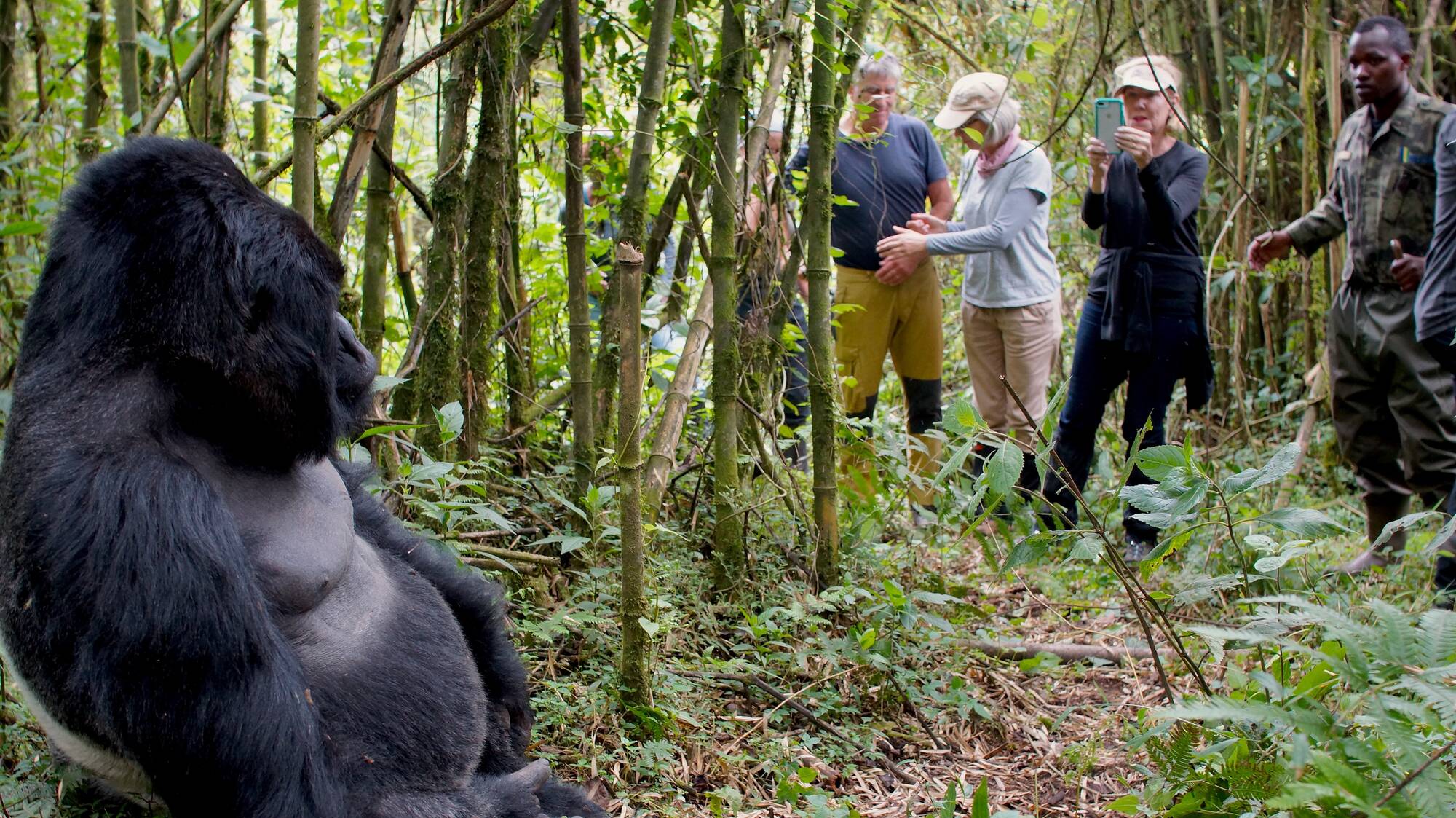
This is the ultimate bucket-list day of your entire safari! Wake up early, pack a lunch, and head to the park headquarters for a mandatory pre-trek briefing by wildlife rangers. Divided into small groups of eight, you will plunge into the dense, tangled vines and steep ridges of Bwindi Impenetrable Forest in search of a habituated mountain gorilla family. The hike can be physically demanding and varies from two to six hours depending on where the gorillas are roaming. Once you locate them, all tiredness vanishes; spending a magical, silent hour watching a massive silverback protect his family, mothers groom infants, and juveniles tumble playfully is a deeply spiritual wildlife encounter. Return to Gorilla Mist Camp to relax your tired muscles.
Day 10: Transfer to the Scenic Lake Bunyonyi
After yesterday's intense jungle trek, today offers a much-needed, slow-paced transition. A short two-and-a-half-hour drive brings you to Lake Bunyonyi, widely celebrated as one of the most breathtaking and peaceful places in all of Africa. Dotted with 29 islands and surrounded by terraced green hills, this deep freshwater lake is completely safe for swimming because it is free of bilharzia and crocodiles. Check into Heritage Lodge Habuharo Island or Bunyonyi Overland Resort, and spend your afternoon unwinding on the lakeshore. You can opt to rent a traditional wooden dugout canoe to paddle out to Punishment Island, take a nature walk around the hills, or simply read a book while listening to the cheerful songs of dozens of bird species.
Day 11: Travel to Lake Mburo National Park
Pack your bags and enjoy breakfast with a final view of the misty lake before driving four hours northeast toward Lake Mburo National Park. This compact gem is Uganda's smallest savannah park, but it packs a massive punch. Arriving in time for lunch at Rwakobo Rock or Eagles Nest Mburo, you will settle into your rustic cottage perched on a granite outcrop with sweeping views of the bush. In the afternoon, skip the vehicle and swap it for a unique guided walking safari, where armed rangers escort you safely past grazing zebras, impalas, elands, and giraffes on foot. If you are feeling extra adventurous, you can arrange an optional night game drive to spot elusive nocturnal creatures like leopards, genets, and bushbabies.
Day 12: Morning Safari Walk and Return to Entebbe
Rise early for a final cup of Ugandan coffee before taking a morning game track or a final leisure walk to bid farewell to the wildlife. Afterward, check out of your lodge and begin the four-to-five-hour drive back toward Entebbe. Your driver will make a classic stop right at the Uganda Equator crossing line, giving you plenty of time to snap photos straddling the northern and southern hemispheres, experiment with water-drainage physics demonstrations, and browse local artisan craft shops for souvenirs. You will continue onward to Entebbe International Airport in time to check in for your evening international flight home, carrying countless memories of warm people, dramatic landscapes, and unforgettable African wildlife encounters.
How much does a 12-day budget Uganda safari actually cost?
When planning a budget safari, your daily costs typically range between $180 and $300 per person per day, depending on whether you are joining a group tour or traveling independently with a shared vehicle. For a 12-day trip, the total price usually falls roughly between $2,200 and $3,500 per person. This estimate is heavily influenced by fixed costs like park entry fees, transport, and crucially, the mountain gorilla trekking permit. While it sounds like a chunk of money, a massive portion of this fee goes straight back into local conservation and community protection programs. By choosing budget accommodations like basic eco-lodges, fixed safari tents, and clean guesthouses, you keep your expenses down while still enjoying all the incredible wildlife. Sharing fuel and vehicle hire costs with a small group of friends or joining an established group tour is the absolute best way to stretch your travel funds further while making lifelong friends along the way.
What is included in the price of a gorilla trekking permit?
The gorilla trekking permit is a fixed government fee—currently set at $800 for foreign non-residents—and it acts as your golden ticket into the misty forests of Bwindi Impenetrable National Park. When you pay for this permit, you aren't just paying to walk through the trees; your money directly funds anti-poaching patrols, veterinary care for the endangered mountain gorillas, and vital community development projects for the people living adjacent to the park. Included in this cost is your expert Uganda Wildlife Authority ranger guide, armed scouts who ensure your safety from wild forest elephants or rogue bush elements, and a full magical hour spent quietly observing a habituated gorilla family up close. It also covers the pre-trek briefing and basic park registration at the headquarters. Keep in mind that tips for your rangers and trackers, porters, and personal gear are separate, so always bring a little extra cash.
Is Uganda safe for budget travelers and backpackers?
Uganda is widely known as one of the safest and most welcoming countries in Africa for travelers, earning its affectionate nickname, the "Pearl of Africa," largely because of the incredible warmth and hospitality of its people. As a budget traveler using public transport or joining organized safari loops, you will find that locals are genuinely proud of their country and eager to help you navigate. Of course, just like traveling anywhere else in the world, basic common sense goes a long way. Avoid walking alone down dark, unfamiliar city streets at night, keep a close eye on your electronics and wallets in crowded markets like downtown Kampala, and listen closely to local advice from your lodge managers or driver-guides. The national parks and rural countryside are exceptionally peaceful, and you will spend most of your holiday surrounded by friendly faces, chirping birds, and stunning natural landscapes.
What kind of accommodation can I expect on a budget safari?
Budget accommodation in Uganda is charming, authentic, and deeply connected to nature, moving far away from sterile concrete hotel rooms. On a budget itinerary, you will typically stay in cozy safari tents with comfortable mattress setups, rustic wooden bandas, or family-run local guesthouses that feature clean, simple rooms with ensuite or well-maintained shared bathrooms. Many of these budget eco-lodges are tucked right on the edges of national parks, meaning you might fall asleep to the distant roars of lions in Queen Elizabeth or wake up to the calls of colobus monkeys right outside your window in Kibale Forest. While luxury amenities like swimming pools or air conditioning might be absent, you will usually find mosquito nets, solar-powered lighting or charging stations in the main dining area, and cozy campfires where guests gather in the evening to share stories under a brilliant blanket of African stars.
How do I get around Uganda on a budget?
Getting around Uganda on a budget requires a bit of strategic planning because public transport—known locally as matatus (minivans)—cannot enter national parks and won't take you down remote safari tracks. For a proper wildlife safari, the most popular and cost-effective budget approach is booking a budget tour package where you share a 4x4 safari van or land cruiser with other travelers, dividing the cost of fuel, vehicle hire, and an experienced driver-guide. If you are a fiercely independent backpacker, you can take long-distance public buses from Kampala to major hub towns like Fort Portal, Kabale, or Masindi, and then hire local motorcycle taxis (boda bodas) or charter private local drivers for the final stretch to the park gates. However, renting or sharing a dedicated safari 4x4 vehicle remains the safest, most reliable, and ultimately time-saving way to tackle rough dirt roads and deep mud during rainy seasons.
What is the best time of year to visit Uganda for a budget trip?
Uganda enjoys a warm, tropical climate year-round, but it experiences two distinct dry seasons and two rainy seasons that heavily impact travel conditions. The absolute best times for a safari are the dry months from June to August and December to February, when wildlife viewing is prime and jungle trails are firm and easy to hike. If you are traveling on a tighter budget, consider visiting during the shoulder or "green" seasons in March to May or October to November. During these months, many budget lodges and tour operators slash their prices or offer special discounted packages to attract travelers. While you will encounter afternoon tropical downpours and muddy gorilla trekking trails, the landscape turns an intensely vibrant, lush emerald green, parks are far less crowded, and photography lighting is absolute perfection. Just pack a sturdy rain jacket and high-energy snacks!
What should I pack for a 12-day Uganda budget safari?
Packing smart for a Ugandan safari means prioritizing comfort, breathability, and protection from both the equatorial sun and unpredictable jungle downpours. Start with lightweight, neutral-colored clothing (khaki, beige, or olive work best to keep bugs away and blend into the bush), including long-sleeved shirts and trousers to protect your skin from scratches and safari ants during forest walks. For gorilla and chimpanzee trekking in Bwindi and Kibale, you will need a pair of sturdy, broken-in waterproof hiking boots, thick woolen socks, and heavy-duty gardening gloves to protect your hands from sharp stinging nettles and thorny vines. Essential extras include a wide-brimmed hat, high-SPF sunscreen, a powerful insect repellent containing DEET, a reliable rain poncho or jacket, a reusable water bottle, and a headlamp or flashlight for lodges with limited nighttime grid power.
Do I need vaccinations and malaria pills before going to Uganda?
Yes, health preparations are a mandatory step for any smooth trip to East Africa. First and foremost, you are legally required to carry a valid Yellow Fever vaccination certificate to enter Uganda, and border officials will frequently check your yellow card upon arrival at Entebbe Airport. Additionally, you should visit a travel clinic several weeks before your departure to update routine immunizations like Hepatitis A, Typhoid, Tetanus, and Polio, and to discuss optional shots like Rabies or Meningitis. Because Uganda sits right in a high-risk malaria zone, taking prophylactic malaria medication (such as Atovaquone-Proguanil, Doxycycline, or Mefloquine) is heavily recommended by health professionals. Protect yourself further each evening by sleeping securely under clean mosquito nets, wearing long sleeves after sunset, and applying generous amounts of bug spray to keep those pesky mosquitoes at bay.
What is Ugandan food like, and can I eat cheaply?
Ugandan cuisine is hearty, wholesome, flavorful, and incredibly budget-friendly, often centered around locally grown starches, fresh vegetables, and rich stews. A classic local lunch favorite is a massive plate of matooke (steamed, mashed green cooking bananas) served alongside savory beef, goat, or bean stew, accompanied by sweet potatoes, cassava, or posho (a thick maize meal cake). If you explore roadside eateries or local town markets, you can easily find delicious, filling meals for just a couple of dollars. One absolute must-try street food favorite is the "Rolex"—a mouthwatering combination of a flat wheat chapati rolled up with a freshly fried two-egg omelet, tomatoes, and onions, which costs less than a dollar and makes a fantastic breakfast on the go. Most budget lodges also serve a great mix of continental and local dishes, ensuring your stomach stays happy throughout your 12-day journey.
Can I see mountain gorillas and chimpanzees on a budget trip?
Yes, absolutely! Uganda is one of the very few places on earth where you can track both endangered mountain gorillas and wild chimpanzees in their natural jungle habitats during a single trip. While a gorilla permit is an upfront investment of $800, you can easily balance out your overall safari budget by staying at community-run campsites near Bwindi or booking multi-day group tours that bundle park fees together efficiently. Chimpanzee tracking in Kibale Forest is significantly cheaper—usually costing around $250 for a standard permit—allowing you to experience incredible primate encounters without completely emptying your bank account. To save even more, you can opt for alternative chimpanzee trekking spots like the lush Kyambura Gorge inside Queen Elizabeth National Park or Kalinzu Forest, where tracking permits are notably lower while still offering fantastic primate viewing opportunities.
How do game drives work in Ugandan national parks?
Game drives are the classic safari experience where you head out in a 4x4 vehicle with an experienced driver-guide to track down iconic African wildlife across sprawling savannahs. In parks like Murchison Falls and Queen Elizabeth, you typically head out during the coolest hours of the day—early morning around sunrise or late afternoon before dusk—when predators like lions, leopards, and hyenas are most active. Budget safaris usually rely on your tour vehicle and guide to conduct these drives, but you can also hire official Uganda Wildlife Authority armed ranger guides to hop into your vehicle for a small extra fee to help spot wildlife hiding far off in the brush. Driving along bumpy dirt tracks, scanning the horizon for giraffes, elephants, and massive herds of buffalo, is an endlessly thrilling adventure that will keep your eyes glued to the windows.
Are boat cruises worth it, and which ones should I do?
Water safaris are hands down one of the most relaxing, rewarding, and photographically stunning highlights of any Ugandan holiday, offering a totally unique perspective of the wildlife. On a budget itinerary, two boat cruises stand out as absolute must-dos: the Murchison Falls Launch Cruise to the bottom of the roaring waterfall and the Kazinga Channel Boat Safari in Queen Elizabeth National Park. Floating inches away from hundreds of wallowing hippos, massive Nile crocodiles basking lazily on muddy banks, and giant elephant families splashing at the water's edge is an unforgettable experience. These boat trips are surprisingly affordable compared to private game drives, last about two to three hours, and offer world-class birdwatching opportunities, bringing you face-to-face with colorful kingfishers, fish eagles, and massive pelicans.
What currency is used, and should I bring US dollars or local cash?
The official currency of Uganda is the Ugandan Shilling (UGX), and you will need local cash for everyday purchases like bottled water, snacks, artisan souvenirs, and tipping local guides or porters. However, US Dollars play a massive role in the tourism sector, particularly for paying park entrance fees, gorilla permits, and high-end lodge extras. If you bring US dollar bills, there is one crucial rule: they must be printed in the year 2013 or later and be in pristine condition without any tears, stamps, or heavy creases, as local banks and forex bureaus will flatly reject older notes. You can easily withdraw Ugandan Shillings from widespread ATM machines in major towns like Kampala, Fort Portal, and Kabale using a standard Visa or Mastercard, but always let your bank know you are traveling beforehand.
Do I need to tip guides, drivers, and lodge staff?
Tipping is not strictly mandatory in Uganda, but it is deeply appreciated and forms a significant part of the income for local service workers, driver-guides, and park rangers who work tirelessly behind the scenes. On a budget safari, setting aside a small daily tipping kitty makes a massive difference to the hardworking people who make your trip seamless. A standard guideline is to tip your main driver-guide around $10 to $15 per day total from your travel group. For gorilla and chimpanzee trekking, tipping local community rangers and forest porters around $15 to $20 after a successful trek is customary and deeply valued. At budget eco-lodges and restaurants, leaving a few thousand Ugandan Shillings in the communal tip box or directly handing a small cash note to your room attendant or waiter brings big smiles all around.
What kind of electrical plugs and internet access will I find?
Uganda uses British-style plug sockets with three rectangular prongs (Type G), operating on a 240V power standard. If you are traveling from North America or continental Europe, you will definitely want to pack a universal adapter so you can charge your cameras, phones, and power banks. While major towns and cities have reliable electricity grids, many budget eco-lodges in remote national parks rely entirely on solar power systems. This means electricity might only be available in the main dining area during evening hours, or power outlets in your room might be limited. For staying connected, purchasing a local MTN or Airtel SIM card at Entebbe Airport is cheap, fast, and gives you decent 4G mobile data coverage even in surprisingly rural areas, though deep jungle spots like Bwindi will naturally have limited signal.
How difficult is mountain gorilla trekking for an average person?
Mountain gorilla trekking can be physically demanding, but you do not need to be an elite athlete or marathon runner to successfully complete it. The trek takes place in the steep, rugged, and dense rainforest slopes of Bwindi, where trails can be muddy, slippery, and involve climbing up steep hills at high altitudes. Depending on where the gorilla family has decided to nest or forage that morning, your hike can range anywhere from 30 minutes to over 4 hours of active walking each way. To make this accessible for everyone, the Uganda Wildlife Authority allows you to hire a local community porter at the park headquarters for a very small fee. These wonderful porters will carry your heavy backpack, hold your hand through slippery mud patches, and give you an extra physical push up steep ridges, ensuring you make it to the gorillas safely and comfortably.
Can I experience local Ugandan culture on a budget itinerary?
Cultural immersion is one of the most rewarding aspects of a 12-year budget safari, and it doesn't require expensive excursions to experience authentic local life. As you drive across the country in your safari vehicle, you will constantly pass through bustling roadside markets, rural farming villages, and schoolyards where children enthusiastically wave and shout "Muzungu!" (foreigner) with massive smiles. Many budget itineraries intentionally weave in community-run projects, such as visiting the Bigodi Wetland Sanctuary managed by local women near Kibale, touring traditional coffee-processing farms in the foothills of Rwenzori, or visiting the Batwa Pygmy community near Bwindi to learn about their ancient forest-dwelling heritage. These grassroots visits put your tourist dollars directly into the hands of local families while offering deep, meaningful cultural connections.
What wildlife can I expect to see besides gorillas and chimpanzees?
While primates often steal the spotlight, Uganda is an absolute biological powerhouse that boasts an astonishing variety of classic African savannah wildlife. Across parks like Queen Elizabeth, Murchison Falls, and Lake Mburo, your budget safari will treat you to sightings of massive elephant herds, towering Rothschild giraffes, Cape buffaloes, and sprawling herds of Uganda kobs, topi, waterbucks, and elegant impalas. If you keep your eyes peeled during game drives and boat cruises, you will likely spot hippos, Nile crocodiles, warthogs, and elusive predators like leopards, spotted hyenas, and the famous tree-climbing lions lounging lazily in the fig trees of Ishasha. Birdwatchers are also in absolute paradise here, as Uganda is home to over 1,000 recorded bird species, including the prehistoric-looking and highly sought-after Shoebill stork.
How does overland travel work, and are long drives boring?
Overland travel is the backbone of any budget safari in Uganda, meaning you will spend several days driving between different national parks as you loop across the country. While some transit days can span anywhere from 5 to 7 hours, these drives are far from boring because the landscape outside your window is constantly shifting and bursting with life. One minute you are cruising past emerald green tea plantations stretching as far as the eye can see, and the next you are winding through misty mountain passes, bustling market towns packed with colorful fabrics, and roadside stalls piled high with massive bunches of yellow bananas and sweet pineapples. Your driver-guide will happily make stretching stops along the way, pick up fresh local fruits for you to taste, and share fascinating stories about Ugandan history and wildlife behavior to make the journey fly by.
How should I book a budget Uganda safari to avoid scams?
Booking a budget safari safely requires working exclusively with reputable, licensed tour operators who are officially registered with the Uganda Tourism Board (UTB) and active members of trade associations like the Association of Uganda Tour Operators (AUTO). Always check independent review platforms like TripAdvisor or SafariBookings to read honest, real-world feedback from past travelers before sending any money. When paying deposits, legitimate companies will use secure corporate bank transfer channels or trusted online payment gateways like Pesapal rather than asking you to wire money to personal names or cash-transfer apps. A reliable operator will be fully transparent about what is included—such as clearly itemizing whether park fees and gorilla permits are part of the quote—ensuring your dream 12-day African holiday is smooth, stress-free, and unforgettable from start to finish.
Booking 12 Days budget Uganda safari with us Roads of Adventure safaris
To book a 12-Day Budget Uganda Safari with Roads of Adventure Safaris, you can begin your reservation process directly by coordinating with their Kampala office. Roads of Adventure Safaris specializes in budget-friendly, local 4x4 overland ground tours across Uganda’s ultimate primate and wildlife circuits
