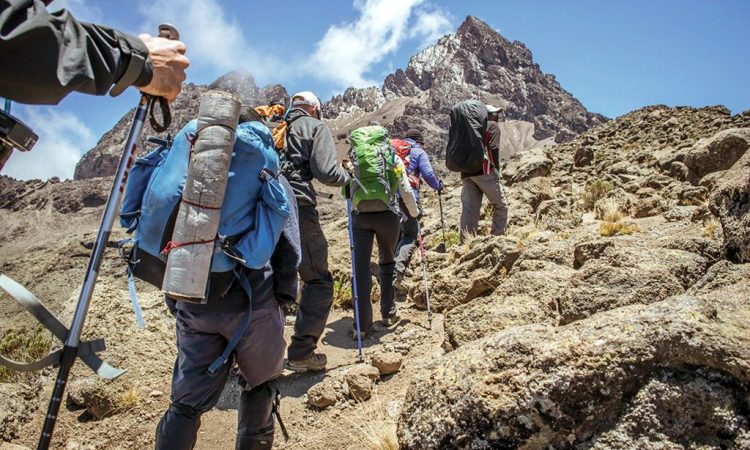
Join our 12-day journey through Tanzania is the ultimate blend of high-altitude physical endurance and world-class wildlife viewing. You’ll begin by tackling Africa’s iconic roof, Mount Kilimanjaro, ascending through five distinct climate zones along the highly scenic Machame Route—often celebrated for its high summit success rate thanks to its "climb high, sleep low" profile.
After standing victorious at Uhuru Peak, you'll trade your trekking poles for a custom 4x4 Land Cruiser to explore northern Tanzania's most famous wilderness sanctuaries. From tracking massive elephant herds beneath towering baobabs in Tarangire to witnessing the raw predator action on the vast plains of the Serengeti and descending into the teeming wildlife haven of the Ngorongoro Crater, this expedition delivers a life-changing East African adventure.
Detailed Itinerary
Day 1: Arrival in Tanzania (Moshi or Arusha)
Your East African adventure begins the moment your flight touches down at Kilimanjaro International Airport (JRO). After clearing customs and retrieving your luggage, you’ll be warmly greeted by your transfer driver in the arrivals hall. From the airport, enjoy a smooth 45-kilometer drive (about 45 minutes) to Moshi, or a 55-kilometer drive (about 1 hour) to Arusha, depending on where your base lodge is located. The rest of the afternoon is yours to unwind by the pool, shake off your jet lag, and enjoy the tropical gardens. In the early evening, you’ll meet your head mountain guide for a comprehensive trek briefing, document check, and a thorough kit inspection. Any missing cold-weather gear or trekking poles can easily be rented at this stage before you settle in for a restful overnight stay.
Day 2: Machame Gate (1,800m) to Machame Camp (3,000m)
After an early breakfast, you’ll take a 50-minute drive from Moshi through local coffee villages to Machame Gate (1,800m). While your guide team weighs and packs the group’s supplies and equipment with the porters, you’ll complete park registration formalities with TANAPA (Tanzania National Parks Authority). Step onto the trail by mid-morning, stepping immediately into a lush, misty montane rainforest. The path climbs steadily along a ridge over a distance of 11 kilometers, taking roughly 5 to 7 hours. Keep your eyes open for black-and-white colobus monkeys feeding high in the canopy and exotic impatiens kilimanjari flowers near the forest floor. You’ll stop halfway for a trail lunch before arriving at Machame Camp (3,000m) by late afternoon, where your mountain crew will already have set up your tents.
Day 3: Machame Camp (3,000m) to Shira 2 Camp (3,840m)
Wake up to fresh coffee brought right to your tent before leaving the rainforest behind. Today’s 5-kilometer hike transitions into the heath and moorland zones, where lower-growing heather plants, giant lobelias, and volcanic rocks dominate the landscape. You’ll cross a rocky ridge and head across the expansive Shira Plateau, taking between 4 and 6 hours of steady walking. The incline is steeper during the first half of the day, but as you break out onto the plateau, expansive views of Kibo Peak opening up ahead make every step worthwhile. You’ll reach Shira 2 Camp (3,840m) around late afternoon. Because you’re now above the cloud line, evening temperatures drop quickly; after a hot dinner, take a moment to look up at the star-filled sky over the peak.
Day 4: Shira 2 Camp (3,840m) to Lava Tower (4,630m) to Barranco Camp (3,950m)
Today serves as a crucial acclimatization milestone following the classic mountaineering rule: "climb high, sleep low". Starting from Shira 2, you’ll head east up a semi-desert landscape towards the imposing volcanic formation of Lava Tower (4,630m). Covering this 7-kilometer uphill leg takes about 4 to 5 hours, bringing you to your highest elevation of the trip so far. You’ll enjoy a hot lunch near the tower, giving your body time to adapt to the thinner air. Afterward, you’ll begin a 3-kilometer descent down into the lush Barranco Valley, dropping roughly 680 meters in altitude over 2 to 3 hours. You’ll arrive at Barranco Camp (3,950m) surrounded by giant groundsels (Senecio kilimanjari), feeling much stronger for the summit push ahead.
Day 5: Barranco Camp (3,950m) to Barafu Camp (4,550m)
Your day begins with an exciting highlight: conquering the famous Barranco Wall. Though it looks intimidating from camp, the "scramble" is non-technical, extremely safe, and takes about 1.5 to 2 hours using your hands for balance in a few spots. Reaching the top rewards you with breathtaking views of Kibo's Southern Icefields. From there, you’ll hike through undulating alpine desert across the Karanga Valley before taking a short, steep climb up to Karanga Camp for a warm, midday lunch. After lunch, continue along a dry, rocky trail that winds up toward Barafu Camp (4,550m). Today’s total distance covers 9 kilometers over roughly 7 to 8 hours. Upon reaching Barafu, you’ll rest, hydrate, and enjoy an early 5:00 PM dinner before heading straight to sleep ahead of your midnight summit push.
Day 6: Barafu Camp (4,550m) to Uhuru Peak (5,895m) to Mweka Camp (3,100m)
Wake-up call is at 11:30 PM for hot tea and light biscuits. By midnight, you’ll turn on your headlamps and begin the steep, grueling 5-kilometer summit scramble up loose volcanic scree. Moving at a steady, rhythmic pole pole (slowly, slowly) pace, you’ll reach Stella Point (5,756m) on the crater rim right as dawn breaks over the horizon. From Stella Point, a gentle 1-hour walk along the snow-dusted rim brings you to Uhuru Peak (5,895m)—the absolute roof of Africa. Celebrate your accomplishment, take photos by the iconic wooden sign, and soak in views of the surrounding glaciers. Afterward, descend 6 kilometers back down the scree slopes to Barafu Camp for a 1-hour rest and lunch. Finally, hike another 7 kilometers down through the moorland to Mweka Camp (3,100m) for a well-earned sleep.
Day 7: Mweka Camp (3,100m) to Mweka Gate (1,640m) & Transfer to Arusha
Your final day on the mountain is a joyous, downhill celebration. Following a lively farewell song and tipping ceremony with your dedicated guide, chef, and porter crew, you’ll step onto the trail for a 10-kilometer descent through the rainforest down to Mweka Gate (1,640m). The walk takes around 3 to 4 hours over lush, sometimes muddy trails. At the gate, you’ll sign the official register, collect your hard-earned green (Stella Point) or gold (Uhuru Peak) summit certificate, and enjoy a cold drink with your team. A private safari vehicle will meet you at the gate to drive you back to your comfortable lodge in Arusha (a 2-hour transfer, covering roughly 85 km). Treat yourself to a long hot shower, a delicious meal, and a good night's rest.
Day 8: Arusha to Tarangire National Park
Switching gears from high-altitude trekking to wildlife tracking, your driver-guide will collect you from your Arusha hotel at 8:00 AM. Board your custom 4x4 Land Cruiser with a pop-up roof and head west on a smooth 120-kilometer paved road (about 2.5 hours) to Tarangire National Park. Known as the "Home of the Giants," Tarangire is world-famous for its ancient baobab trees and massive elephant herds that often gather along the Tarangire River. You’ll spend the day on a game drive, spotting wildebeests, zebras, giraffes, waterbucks, and lions lounging under shady branches. Enjoy a picnic lunch overlooking the river while monitoring bird species like yellow-collared lovebirds and tawny eagles. As the sun sets, head to your safari lodge or luxury tented camp just outside or inside the park boundaries for dinner.
Day 9: Tarangire to Serengeti National Park (Central Seronera)
After an early breakfast, set off for the iconic Serengeti National Park. Your route winds up the Great Rift Valley escarpment, passing through the lush highlands of Karatu and along the rim of the Ngorongoro Crater, offering dramatic views of the caldera below. The total drive spans roughly 220 kilometers and takes 5 to 6 hours, but doubles as a game drive as soon as you pass Naabi Hill Gate into the southern Serengeti plains. The vast savannah seems to stretch forever, dotted with granite rocky outcrops (kopjes) where lions and leopards like to sunbathe. You'll enjoy a picnic lunch along the way before arriving at the central Seronera Valley for an afternoon game drive. Check into your safari camp by dusk for dinner and night sounds under the stars.
Day 10: Full Day Wildlife Tracking in Serengeti National Park
Spend a full, thrilling day exploring the rich ecosystems of the central Serengeti (or regional migration hotspots depending on the month). Rise at dawn for an early morning game drive, when big cats like leopards, lions, and cheetahs are most active on the hunt. You might spot a leopard resting in an acacia tree or a pride of lions guarding a morning kill. Return to camp for a hot breakfast, or take a packed box to maximize your time in the field. Spend the afternoon exploring the Seronera River circuits, home to hippos splashing in deep pools, Nile crocodiles basking on riverbanks, and large herds of impalas, topis, and giraffes. As the sun sets over the golden grasses, head back to camp for drinks around the campfire (bush TV) and dinner.
Day 11: Central Serengeti to Ngorongoro Conservation Area
Enjoy one last morning game drive in the Serengeti as you make your way back toward the Naabi Hill exit gate. You’ll cover roughly 140 kilometers over 3.5 to 4 hours, arriving at the rim of the Ngorongoro Crater by early afternoon. After lunch, gear up for the highlight of the day: descending 600 meters down a steep, forested road into the crater floor—the world’s largest intact, unflooded volcanic caldera spanning over 260 square kilometers. Inside this natural amphitheater, you’ll spend 4 to 5 hours tracking an extraordinary density of wildlife, including flamingos feeding on Lake Magadi, hyenas, hippos, and black rhinos. In the late afternoon, climb back up the caldera walls to your rim lodge for a warm dinner with panorama views over the crater floor.
Day 12: Ngorongoro Highlands to Arusha / Kilimanjaro Airport (JRO)
Wake up to cool mountain air in the Ngorongoro Highlands. Depending on your flight schedule, you can choose a relaxed morning enjoying breakfast at the lodge, visiting a local Maasai village to learn about traditional pastoralist culture, or visiting a local coffee farm in Karatu. Afterward, embark on the final 180-kilometer drive back east toward Arusha, taking about 3.5 to 4 hours. You’ll stop at a local cultural heritage center or artisan market along the way to pick up souvenirs, hand-carved wood crafts, or Tanzanite jewelry. Your guide will transfer you directly to Kilimanjaro International Airport (JRO)—arriving roughly 3 hours before your scheduled international departure flight—bringing your epic 12-day Tanzanian journey to a close.
How should you pack for high-altitude trekking and bush safaris?
Packing for a combined expedition requires a smart, split-bag strategy because you’ll face drastically different climate zones. Mount Kilimanjaro or the Rwenzoris demand heavy thermal protection against sub-zero summit temperatures down to -10°C, while northern Tanzania’s safari parks average warm daytime temperatures around 25°C to 30°C.
To manage this, use two separate bags. Pack your mountain gear—thermal base layers, down jackets, waterproof outer shells, heavy gloves, and sturdy boots—into a weather-resistant 80–90 L duffel bag for your porters. Place your safari attire, such as lightweight, neutral-colored linen trousers, dust-proof shirts, wide-brimmed hats, and sandals, into a secondary duffel or travel bag.
While you are on the mountain, your primary hotel in Arusha or Moshi will securely store your safari luggage free of charge. When you return, swap gear so you don't haul bulky thermal sleeping bags and ice axes into your safari 4x4. Always choose soft-sided luggage over hard-shell suitcases, as custom safari vehicles and small bush planes strictly require flexible bags that fit easily into compact storage compartments.
Is it better to trek Kilimanjaro before or after safari?
Without question, you should always schedule your high-altitude mountain climb before your wildlife safari. Ascending a peak like Mount Kilimanjaro (5,895 m) is an intense physical test that requires maximum energy, fresh legs, and peak mental focus. Completing the trek first allows you to tackle the mountain while your body is at its baseline strength, rather than starting a 6-to-8-day climb after days of sitting in a safari vehicle.
Furthermore, a wildlife safari serves as the ultimate reward for your physical effort. Spending 4 or 5 days cruising through the Serengeti and Ngorongoro Crater in a comfortable 4x4 with plush seating offers your sore muscles the ideal environment to recover. You can sit back, enjoy cold drinks, eat hearty meals, and take in world-class wildlife without physical exertion.
Logistically, starting with the climb also leaves buffer time in case bad weather on the mountain causes minor itinerary adjustments. If you get delayed on your descent, you won't risk missing pre-booked safari lodge reservations or game drive schedules.
What physical recovery time is recommended between trekking and safari?
Plan for at least 24 hours (one full night and morning) of rest in a comfortable hotel between stepping off the mountain and departing on your safari. For instance, after finishing your 10 km descent from Mweka Camp to Mweka Gate on Day 7, transfer straight to your lodge in Arusha or Moshi by early afternoon.
Use this buffer afternoon to take a long, hot shower, scrub away days of mountain dust, and hand off your dirty trekking clothes to the hotel’s express laundry service. It also gives you time to enjoy a proper sit-down meal, rehydrate thoroughly with fluids and electrolytes, and get 8 to 9 hours of restorative sleep in a real bed.
Starting a safari early the next morning without this break leads to severe physical fatigue. Bouncing along unpaved dirt roads (often called the "African massage") for 5 to 7 hours toward Tarangire or the Serengeti with tight hamstrings, altitude headaches, or blistered feet can make the initial days of your safari uncomfortable instead of enjoyable.
How do baggage limits differ between mountain treks and safaris?
Baggage restrictions on mountain treks and safaris are governed by two distinct sets of strict rules designed for safety and transport capacity:
- Mountain Treks: National park regulations (such as TANAPA on Kilimanjaro) strictly enforce weight caps to protect porter welfare. Your main mountain duffel bag carried by a porter must not exceed 15 kg (33 lbs). Park rangers weigh every bag at the entry gates (like Machame or Marangu). Additionally, you carry your own small 30–40 L daypack weighing around 5 to 7 kg with daily essentials like water, rain gear, and warm layers.
- Safari Vehicles & Bush Flights: Safari 4x4 Land Cruisers generally accommodate soft duffels up to 20 kg (44 lbs) per passenger. However, if your itinerary includes a domestic bush flight (for example, flying from Seronera Airstrip in the Serengeti back to Arusha via regional airlines like Flightlink or Auric Air), baggage limits drop to a strict 15 kg (33 lbs) total, inclusive of your camera bags and hand luggage. Airlines strictly enforce this due to small aircraft payload capacities.
What tipping guidelines apply for combined trekking and safari crews?
Tipping is an established custom in East Africa that rewards hard work, but the tipping structures for mountain crews and safari guides differ significantly:
- Mountain Crews: High-altitude mountain climbs require large support teams. A standard 6-day Machame trek for a single climber usually involves a crew of 1 head guide, 1 assistant guide, 1 cook, and 3 to 4 porters (a team of 6–7 people). Recommended tipping rates are $20–$25/day for the head guide, $15–$20/day for assistant guides, $12–$15/day for the cook, and $8–$10/day per porter. Expect to budget roughly $250 to $300 USD total per climber for the mountain team tip pool, handed over during the traditional tipping ceremony at the exit gate.
- Safari Crew: Tipping on safari is far simpler because you are accompanied by a single professional driver-guide. The standard rate is $20 to $30 USD per day total from the group (not per person), placed in an envelope and handed directly to your guide at the end of the trip. Optional small tips ($1–$2) can also be given to lodge porters and waitstaff.
How do you manage laundry during a dual adventure trip?
Managing dirty clothes across a 12-day combined trip requires a simple, two-phase routine:
- On the Mountain: There are no laundry facilities on Mount Kilimanjaro or the Rwenzoris, and washing clothes in streams is strictly prohibited to protect fragile alpine ecosystems. Plan to wear moisture-wicking merino wool or synthetic base layers that naturally resist odors for 2 to 3 days. Pack sealable Ziploc or dry bags to separate dirty socks and undergarments inside your duffel.
- The Safari Transition: The 24-hour break between your trek and safari is your laundry window. Most lodges in Arusha, Karatu, or Moshi offer express laundry services; for around $15 to $25 USD, they will wash, dry, and fold your mountain gear while you sleep. Once on safari, luxury tented camps in the Serengeti and Tarangire also provide daily laundry services (often complimentary or for a small fee per item), allowing you to travel light with just 3 to 4 sets of safari clothes for the remainder of your trip.
Which month offers optimal weather for both trekking and safaris?
The ideal windows for combining a mountain climb and a safari are Tanzania's two dry seasons: January through February and July through October.
- January to February: These months bring warmer temperatures on the mountain, clear morning skies, and low precipitation—making for pleasant summit conditions. On the safari front, this period coincides with the Great Migration calving season in the southern Serengeti (Ndutu region), where over 8,000 wildebeest calves are born daily, attracting intense predator action from lions and cheetahs.
- July to October: This is the traditional dry season. Mountain trails are dry and firm, minimizing mud in the rainforest zones. Out on the safari circuit, vegetation thins out and water sources dry up, forcing animals to congregate around permanent water sources like the Tarangire and Mara Rivers. This period is also ideal for witnessing iconic Great Migration river crossings in the northern Serengeti. Avoid the long rains of April and May, when trails become slippery and mountain summits face heavy snow.
What camera gear works best for mountain landscapes and wildlife?
To successfully photograph both high-altitude landscapes and distant wildlife without carrying an impossibly heavy pack, build a versatile two-lens setup:
- For the Mountain: Weight and durability are your main concerns. A lightweight mirrorless camera body paired with a fast wide-angle zoom lens (such as a 16–35mm f/2.8 or 24–70mm f/4) is ideal for capturing expansive cloud inversions, alpine desert vistas, and night skies over camp. Keep camera batteries tucked inside your inner jacket pockets near your body heat, as freezing mountain temperatures can drain lithium-ion batteries in minutes.
- For the Safari: Wildlife photography demands reach. Bring a dedicated telephoto zoom lens, such as a 100–400mm or 150–600mm, to capture distant leopards, birds, and lion prides without disrupting their natural behavior.
A single versatile body with a 24–105mm lens plus a 100–400mm zoom covers almost every scenario. Don't forget a soft beanbag to rest your long lens on the pop-up roof frame of your safari vehicle for maximum stabilization.
Should you book domestic flights between your trek and safari?
Booking a domestic bush flight can significantly improve your comfort, depending on your budget and itinerary.
After completing a 7-day trek, driving from Arusha to the central Serengeti covers roughly 330 km and takes 7 to 8 hours over dusty, bumpy roads. If you prefer to skip long drives, you can book a 45-minute flight from Arusha Airport (ARK) directly to Seronera Airstrip (SEU) in the central Serengeti via regional carriers like AeroLink or Coastal Aviation. Your safari guide will meet you right at the airstrip in a 4x4, turning a full day of highway travel into an immediate morning game drive.
However, if your safari starts closer to Arusha—such as visiting Tarangire National Park or Lake Manyara first (a easy 2 to 2.5-hour paved drive)—flying is unnecessary. Driving overland to Tarangire and Karatu first allows you to break up the distance gradually as you move toward the Serengeti rim.
How do health requirements differ for high peaks versus safaris?
High-altitude mountain climbs and low-altitude bush safaris present distinctly different health considerations that require separate advance preparations:
- Mountain Health Prep: The primary threat on high peaks is Acute Mountain Sickness (AMS). Preparation involves building cardiovascular stamina months before arrival and consulting a travel physician about Diamox (Acetazolamide) to speed up altitude acclimatization. You must also pack blister treatment kits (moleskin), knee supports, high-SPF sunscreen (UV radiation is severe at 4,000+ meters), and thermal gear to prevent hypothermia.
- Safari Health Prep: Safaris take place at lower, warmer elevations where insect-borne illnesses are the primary focus. You will need a Yellow Fever vaccination certificate (mandatory if entering from endemic countries or transiting through East Africa), antimalarial prophylaxis (such as Malarone or Doxycycline), and high-strength DEET insect repellent to guard against mosquitoes and tsetse flies. Additionally, pack rehydration salts and broad-spectrum antibiotics to manage potential travel-related stomach bugs while in remote wilderness areas.
Booking Kilimanjaro and Tanzania safari with us Roads of Adventure safaris
Planning your ultimate East African expedition is effortless with Roads of Adventure Safaris. Their combined packages, such as the popular 14-day itinerary, blend a 7-day trek up Mount Kilimanjaro via the scenic Machame Route with a 6-day wildlife tour across Tanzania’s premier parks. You can also explore their standalone itineraries and tailor a custom trip to suit your pace. Pair your high-altitude climb with game drives through the iconic Serengeti, the teeming Ngorongoro Crater, and elephant-rich Tarangire National Park. To start crafting your dream adventure, visit the Roads of Adventure Safaris website to explore options and request a personalized quote.
