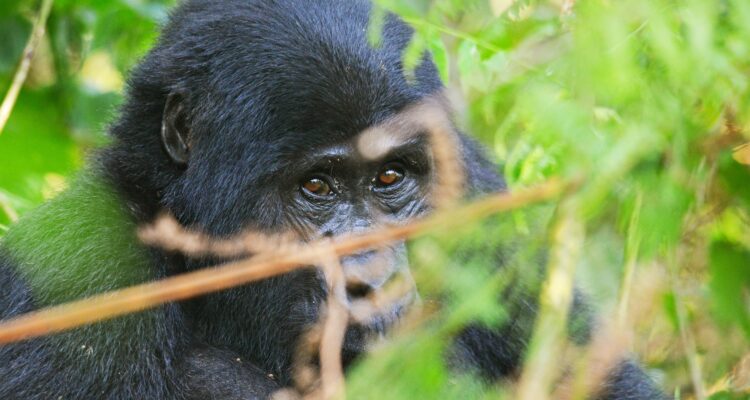
This 11-day Burundi and Rwanda safari holiday delivers a seamless cross-border expedition through East Africa’s vibrant culture and pristine wildlife havens. Starting in Bujumbura along Lake Tanganyika, your journey explores Burundi's heritage—from the historic source of the White Nile at Mount Kikizi to the UNESCO-recognized rhythms of the Gishora Royal Drummers. Trek primates through Kibira National Park before crossing into Rwanda's lush highlands. Experience wild chimpanzee tracking and high-canopy walks in Nyungwe Forest, observe habituated mountain gorillas in the Virunga Mountains of Volcanoes National Park, and search for the Big Five across the savannah of Akagera National Park. Concluding in Kigali, this itinerary balances authentic cultural encounters with premier safari adventures across two captivating nations.
Day 1: Arrival in Bujumbura
Arrive at Bujumbura International Airport, where your driver-guide greets you for a transfer to your hotel on the shores of Lake Tanganyika. Spend the afternoon unwinding on sandy beaches, taking in tranquil views of Africa's deepest freshwater lake.
Day 2: Bujumbura City & Rusizi National Park
Explore Bujumbura, visiting the Livingstone-Stanley Monument at Mugere and the Musée Vivant. In the afternoon, embark on a boat safari along the Rusizi River in Rusizi National Park to observe pods of hippos, Nile crocodiles, and diverse waterbirds.
Day 3: Source of the Nile & Gitega Cultural Tour
Drive into Burundi's southern highlands to visit the southernmost Source of the White Nile near Mount Kikizi, marked by a stone pyramid. Marvel at the cascading Karera Waterfalls before continuing to Gitega, Burundi's political capital, to explore the National Museum.
Day 4: Gishora Drum Sanctuary & Kibira Transfer
Witness the mesmerizing heritage of the Royal Drummers at the Gishora Drum Sanctuary, experiencing traditional rhythms and athletic dances. Afterward, take a scenic drive northwest toward the misty montane rainforest boundaries of Kibira National Park for an overnight stay.
Day 5: Primate Tracking in Kibira National Park
Guided by park rangers, trek through the high-altitude canopy of Kibira National Park. Search for habituated chimpanzees, endangered L'Hoest's monkeys, and energetic black-and-white colobus monkeys while learning about the forest's rich biodiversity and indigenous botanical species.
Day 6: Cross the Border to Nyungwe National Park
Depart Burundi via the border crossing into southwestern Rwanda. Journey through rolling hills and manicured tea plantations to Nyungwe National Park, one of Africa's oldest montane rainforests, stopping at local artisan communities along the scenic mountain route.
Day 7: Chimpanzee Trekking & Nyungwe Canopy Walk
Embark on an early morning trek in Nyungwe Forest to observe wild chimpanzees feeding and socializing. In the afternoon, traverse the famous Nyungwe Canopy Walkway, walking along a suspended bridge 70 meters above the dense forest floor.
Day 8: Transfer to Volcanoes National Park
Take a scenic full-day drive northward along the emerald waters of Lake Kivu. Journey through Rwanda’s famed "Land of a Thousand Hills," enjoying views of terraced mountainsides before arriving at the gateway of Volcanoes National Park in Musanze.
Day 9: Mountain Gorilla Trekking & Cultural Village
Hike into the Virunga Mountains for a rare, breathtaking one-hour encounter with a family of wild mountain gorillas in Volcanoes National Park. In the afternoon, visit the Iby'Iwacu Cultural Village to engage with traditional Rwandan music, archery, and royal customs.
Day 10: Transfer to Akagera National Park
Leave the volcanic Virunga range behind and travel eastward across Rwanda to Akagera National Park. Arrive at your safari lodge overlooking rolling savannahs and wetland lakes, relaxing in the afternoon as wildlife gathers near the water basins.
Day 11: Game Drive & Departure via Kigali
Set off on an early morning game drive across Akagera's open savannah to spot lions, rhinos, elephants, buffalos, and giraffes. Afterward, transfer to Kigali International Airport for your evening departure, concluding your East African journey.
What makes combining Burundi and Rwanda into one safari itinerary so special?
Combining Burundi and Rwanda offers a rare balance between deep cultural immersion and iconic wildlife experiences. Burundi remains delightfully off the beaten path, offering authentic interactions like watching the legendary Gishora Royal Drummers perform or visiting the southernmost Source of the Nile. It gives you a raw, untouched feel of East Africa before you cross into Rwanda, a country world-renowned for its pristine conservation efforts and polished eco-tourism infrastructure.
By joining these two neighboring nations, you transition from rich cultural traditions and tranquil lakeshores along Lake Tanganyika directly into dense montane rainforests and sprawling savannahs. You get to trek chimpanzees in Nyungwe, observe majestic mountain gorillas in the mist-shrouded Virunga Mountains, and search for the Big Five in Akagera National Park. Instead of limiting your trip to a single focus, this combined journey lets you experience both the soul and the wild heart of the region in a single, seamless road trip. It is perfect for travelers who want more than just traditional game drives—it is a full-story adventure through two distinct African cultures.
Is traveling by road across the Burundi-Rwanda border safe and easy?
Traveling by road between Burundi and Rwanda is generally smooth, provided you plan ahead with an experienced tour operator. The overland journey takes you through breathtaking landscapes of rolling hills, terraced farms, and tea plantations. Crossing the physical border—typically via Nemba or Kanyaru—is straightforward when your travel documents are properly prepared in advance. Having a knowledgeable local guide who knows the immigration officers and customs procedures makes the entire process hassle-free.
Safety along these major tourist and trade corridors is stable, but working with a reputable safari company ensures you have up-to-date regional insights. Your driver handles the logistics, vehicle permits, and luggage checks while you take in the views. To keep your travel stress-free, make sure your East Africa Tourist Visa or individual country visas are secured prior to arrival, and keep your physical passport and yellow fever vaccination certificate easily accessible in your daypack. Traversing the border by car isn't just transport; it’s a wonderful way to watch the subtle shifts in culture, architecture, and geography between these two vibrant neighbor countries.
What should I expect during a mountain gorilla trek in Volcanoes National Park?
A mountain gorilla trek in Volcanoes National Park is often described as a life-changing experience, but it does require some physical preparation. Your day begins early at park headquarters with a warm cup of Rwandan coffee and a briefing where rangers match you with a gorilla family based on your fitness level. The hike itself can range from an easy one-hour stroll to an intense four-hour trek through dense bamboo, mud, and steep volcanic slopes.
Once your guide locates the family, all the fatigue instantly melts away. You get to spend exactly one hour standing just meters away from these gentle giants. Watching a massive silverback peacefully chew on leaves while playful juveniles tumble around is deeply humbling. The air is cool, the forest feels ancient, and the encounter is intensely intimate. To get the most out of it, bring sturdy waterproof hiking boots, long pants to guard against stinging nettles, and gardening gloves to grip vines. Hiring a local porter is also highly recommended—it supports the community while keeping your pack light so you can focus entirely on the magic around you.
How difficult is the physical effort required for primate trekking in Nyungwe and Kibira?
Primate trekking in both Kibira National Park and Nyungwe Forest requires a moderate to high level of fitness because you are navigating thick, high-altitude montane rainforests. Unlike savannah game drives where you sit in a 4x4, tracking chimpanzees and colobus monkeys means following them on foot through dense vegetation, uneven terrain, and slippery mud. Chimpanzees move quickly through the canopy, so when they decide to travel, you’ll need to keep a brisk pace up and down humid hills to stay with them.
The effort, however, is immensely rewarding. Walking through ancient trees draped in moss while listening to the distant calls of chimps creates a real sense of wild exploration. If you are comfortable walking for three to five hours on unpaved, hilly trails, you will handle it well. To prepare, spend a few weeks before your trip going on incline walks or light hikes. Good ankle-support boots, a lightweight rain jacket, trekking poles, and plenty of water will make your journey through these breathtaking ancient jungles vastly more comfortable and enjoyable.
What makes the Gishora Drum Sanctuary performance so unique?
The performance at the Gishora Drum Sanctuary is far more than an artistic show; it is a spiritual dive into Burundi's royal lineage and cultural identity. Located atop a scenic hill near Gitega, Gishora was founded by a Burundian king and remains one of the most sacred cultural sites in the country. The sanctuary preserves the traditional art of the Ingoma—sanctified drums that historically symbolized power, fertility, and the unity of the kingdom.
When the performance starts, the energy is infectious. A central drum, representing the sovereign, sits surrounded by supporting drums arranged in a semicircle. The drummers carry these heavy wooden instruments on their heads while walking into the arena, shouting, singing, and breaking into explosive, athletic dances. They take turns stepping up to the lead drum with unbelievable rhythm and joy. What makes it unforgettable is that you aren't just an observer sitting in a quiet audience; the drummers actively invite you to join in, try beating the drum, and dance alongside them. It is an uplifting, high-energy celebration that leaves every traveler with goosebumps.
What is the best time of year to undertake an 11-day Burundi and Rwanda safari?
The absolute best time to take this combined safari is during the long dry season, which stretches from June to September, or the shorter dry period from December to February. During these months, trails in Kibira, Nyungwe, and Volcanoes National Park are significantly less muddy, making primate trekking safer and far less strenuous. Additionally, in Akagera National Park, dry weather draws wildlife out of the thick brush toward lakes and waterholes, giving you the best chances for Big Five sightings.
However, the rainy seasons (March to May and October to November) have their own charm if you don't mind a bit of mud. Rain brings vibrant green landscapes, dramatic mountain skies, and crisp, clear air that photographers love. Lush foliage also means primates don't have to wander as far up the mountains to find fruit, sometimes resulting in shorter treks. If your main priority is easy hiking and clear game-viewing conditions, target the dry summer months. Just be sure to book your gorilla and chimpanzee permits well in advance, as these prime seasons fill up fast.
What pack list essential items should I bring for this cross-border adventure?
Packing for this dual-country holiday means preparing for both hot savannahs and cold, damp rainforests. The key is versatile layering. For primate trekking in Nyungwe, Kibira, and Volcanoes, bring high-ankle waterproof hiking boots, thick socks, sturdy long pants, long-sleeved shirts, and gardening gloves (to protect your hands from thorny vines). A quality rain jacket or poncho is mandatory, as montane weather can shift instantly. A warm fleece is also essential, as volcanic nights get surprisingly chilly.
For game drives in Akagera and city tours in Bujumbura, switch to lightweight, breathable cotton clothing in neutral tones like khaki, tan, or green—avoid navy blue and black, which attract tsetse flies. Don't forget high-SPF sunscreen, polarized sunglasses, a wide-brimmed hat, insect repellent, and a reusable water bottle. Pack a universal power adapter, a sturdy camera with extra memory cards, and dry bags to protect your electronics from sudden downpours. Lastly, carry small amounts of cash in US Dollars or local francs for tips and community crafts along the road.
How does Akagera National Park compare to traditional savannah parks like the Serengeti?
While Akagera National Park may be smaller than sprawling giants like the Serengeti or Masai Mara, its scenic diversity and conservation success story make it truly incredible. Akagera is Central Africa’s largest protected wetland, featuring a stunning blend of open savannahs, acacia woodlands, rolling hills, and a chain of ten interconnected lakes. This unique geography allows you to go on a traditional land game drive in the morning and a peaceful boat safari on Lake Ihema in the afternoon.
Because of successful reintroduction programs led by African Parks and the Rwandan government, Akagera is now a thriving Big Five destination, home to lions, black rhinos, elephants, leopards, and buffalos. While animal densities are spread across varied habitats rather than endless flat plains, the park feels intimate and uncrowded. You rarely run into vehicle jams around a sighting, allowing for peaceful, authentic wildlife encounters. Watching giraffes framed against swampy lake backdrops with lush green hills in the distance offers a visual layout that few other savannah parks in Africa can match.
What are the visa and health requirements when crossing from Burundi to Rwanda?
Navigating the logistics between Burundi and Rwanda requires advance planning regarding health documents and entry visas. For health regulations, a valid Yellow Fever vaccination certificate is mandatory for entry into both countries, so keep your yellow booklet tucked inside your passport. It is also wise to speak with a travel clinic about taking malaria prophylaxis, as both countries sit in malaria-risk zones, alongside ensuring routine vaccinations like Hepatitis A and Typhoid are up to date.
Visa requirements vary depending on your nationality. For Rwanda, many passport holders can obtain a visa on arrival or apply online in advance. If you plan to visit multiple countries in the region, look into the East Africa Tourist Visa, though you should verify current cross-border eligibility for Burundi before travel. For Burundi, visas are typically required prior to travel or via an official pre-approval system depending on your country of origin. Working with your tour operator to verify current immigration policies ensures your entry forms are filed correctly before you reach the border post.
How does tourism in these countries directly benefit local communities and conservation?
Tourism in Burundi and Rwanda is fundamentally tied to community empowerment and wildlife protection. In Rwanda, a dedicated 10% revenue-sharing scheme from park permit fees—such as gorilla permits—is invested directly into surrounding communities. This fund builds local schools, clean water facilities, roads, and health clinics. By ensuring locals directly profit from tourism, former poachers have become passionate park guardians, and human-wildlife conflict has dramatically decreased.
Sites like the Iby'Iwacu Cultural Village give former poachers sustainable livelihoods as performers, guides, and artisans. In Burundi, visiting places like the Gishora Drum Sanctuary provides direct financial support to local families, ensuring traditional heritage and ancient drum-making crafts are passed down to younger generations. Furthermore, park entrance fees in both countries fund anti-poaching units, forest restoration projects, and veterinary teams that keep endangered species safe. When you take this safari, your travel dollars are actively conserving some of the world's rarest ecosystems while elevating the livelihoods of the hospitable people who call these landscapes home.
Booking 11-day Burundi and Rwanda safari holiday with us Roads of Adventure safaris
You can book your 11-Day Best of Burundi & Rwanda Safari directly through the official Roads of Adventure Safaris Website or by contacting them via email at info@roadsofadventuresafaris.com. This specialized twin-country itinerary bridges the deep-rooted cultural heritage of Burundi with the premium primate trekking experiences of Rwanda.
