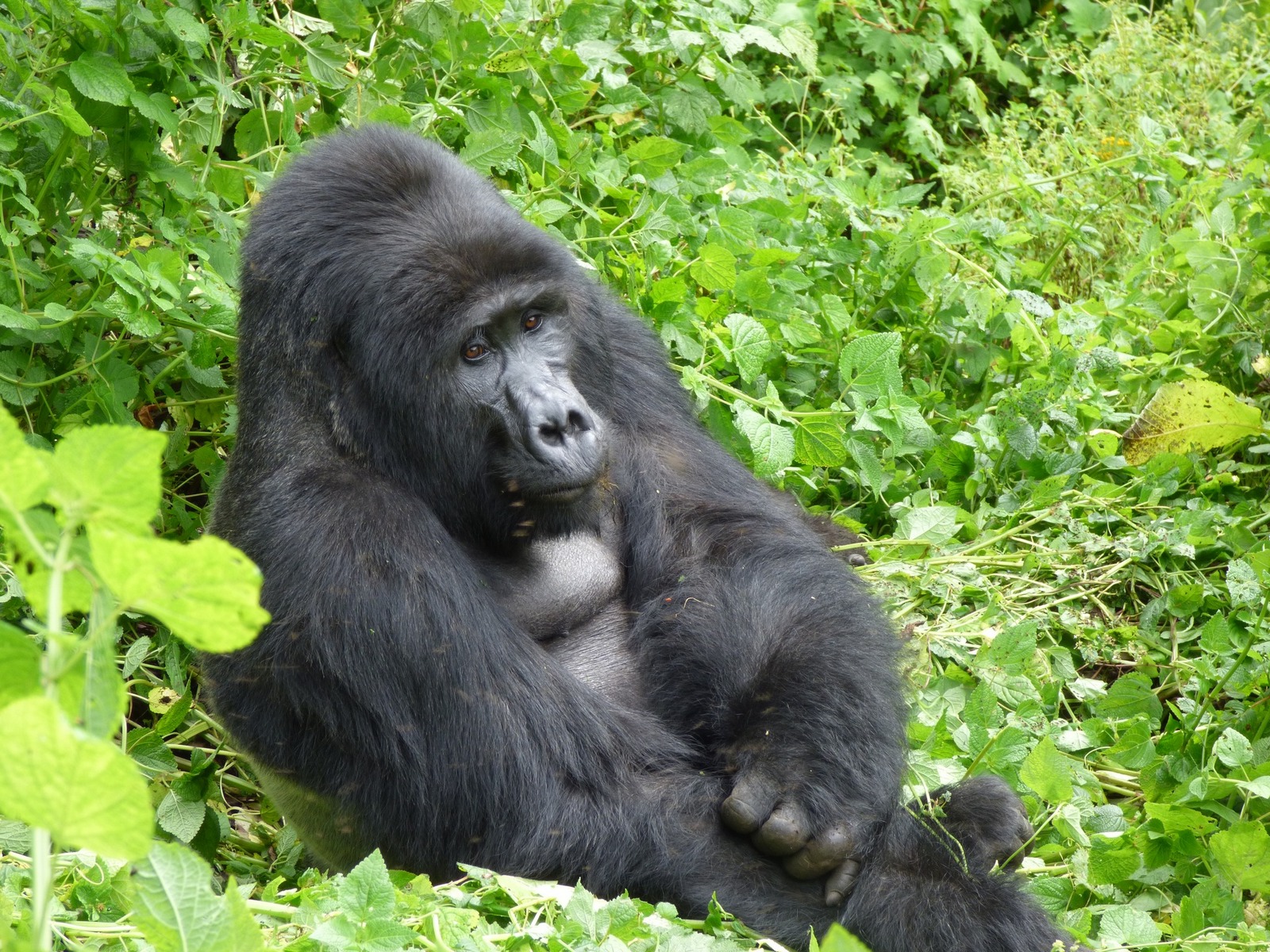
This 11-day transboundary primate safari from Kigali blends the best of Rwanda and Uganda. You will experience chimpanzee tracking in Kibale, mountain gorilla trekking in Bwindi Impenetrable and Volcanoes National Parks, golden monkey encounters, and scenic drives, all starting in Rwanda's capital.
Tour highlights for 11 Days Best of Uganda Rwanda primate safari from Kigali
Kigali genocide memorial tour
Scenic thousand hills drive
Volcanoes national park trek
Playful golden monkey encounter
Cross international land border
Bwindi impenetrable forest hike
Mountain gorilla trekking encounter
Uganda wildlife game drive
Tree climbing lion search
Kazinga channel boat cruise
Massive hippo pod sightings
Kibale forest primate safari
Wild chimpanzee tracking experience
Bigodi wetland sanctuary walk
Lake Bunyonyi island relaxation
Rwandan souvenir coffee shopping
Day 1: Arrival in Kigali
Welcome to the heart of East Africa. Upon arrival at Kigali International Airport, your professional guide will warmly greet you and transfer you to your hotel. As the capital city of Rwanda, this bustling and remarkably clean metropolis serves as the perfect introduction to your transboundary journey. If your flight arrives early, you will embark on an insightful afternoon city tour. The highlight of this tour is a deeply moving visit to the Kigali Genocide Memorial, a place of remembrance that honors the victims and offers vital historical context regarding the country's incredible journey of reconciliation and rebirth. Afterward, explore the vibrant local markets and contemporary art galleries that showcase the creative spirit of the local community. Conclude your day with a relaxing dinner at your hotel, resting up for the epic primate adventures that await you in the coming days.
Day 2: Transfer to Volcanoes National Park
Wake up to a beautiful morning in the capital city of Rwanda. Before leaving, you can enjoy a final optional driving tour through the city's neat, palm-lined avenues. Soon after, you will hit the road and begin your journey toward Volcanoes National Park, located in the northwestern region of the country. This scenic drive takes roughly 2.5 to 3 hours, winding through terraced hillsides and vibrant villages that proudly demonstrate why this country is affectionately called the "Land of a Thousand Hills". As you ascend toward the Virunga Massif, the air turns crisp and the dramatic silhouettes of chain volcanoes begin to dominate the horizon. You will check into your lush lodge bordering the park, where you can unwind, enjoy a warm meal, and fall asleep to the tranquil sounds of the mountain forest.
Day 3: Golden Monkey Tracking
Your primate adventure officially kicks off today. After an early breakfast, you will leave your lodge and head straight to the Volcanoes National Park headquarters for a briefing. Your goal today is to track the rare, playful, and endangered golden monkeys, a unique subspecies found almost exclusively within the bamboo zones of the Virunga volcanic chain. Led by experienced park rangers, you will trek through the dense bamboo canopy. Once located, you will spend a thrilling hour watching these colorful primates leap expertly between branches, groom one another, and forage for bamboo shoots right in front of you. Following this highly active and entertaining encounter, you will return to your lodge for lunch. The afternoon can be spent relaxing or visiting the nearby Gorilla Guardians Village to experience traditional cultural dances and archery.
Day 4: Cross the Border to Bwindi Impenetrable National Park
Today you bids farewell to the Virunga landscape and journey north into Uganda. You will depart your lodge after breakfast, enjoying a final look at the mist-covered peaks before driving toward the Cyanika border post. Crossing an international border by foot and vehicle adds a classic expedition feel to your safari. Once customs are cleared, you will enter southwestern Uganda, immediately noticing a shift in the rolling landscape. The drive takes you through terraced fields and vibrant trading centers before you climb into the ancient, rugged hills that cradle Bwindi Impenetrable National Park. You will check into your mountain lodge, positioned right on the edge of the dense, primeval forest, and spend a peaceful evening preparing your mind and trekking gear for tomorrow’s life-changing wildlife encounter.
Day 5: Mountain Gorilla Trekking in Uganda
This is the day you have been waiting for. Wake up early for a hearty breakfast before heading to the Bwindi park headquarters. You will be assigned to a specific habituated gorilla family and paired with expert trackers and armed rangers. The trek into the ancient, tangled, and steeply inclined forest can take anywhere from one to several hours depending on where the gorillas nested the previous night. The physical effort is entirely forgotten the moment you glimpse these gentle giants. You will spend an unforgettable, strictly timed hour observing the silverback commanding his family, mothers nursing infants, and juveniles wrestling in the undergrowth. Standing just meters away from wild mountain gorillas is a profoundly moving experience. Afterward, trek back out of the forest and return to your lodge to relax and celebrate.
Day 6: Transfer to Queen Elizabeth National Park
Leaving the deep forests behind, you will drive north through the lush, varied countryside toward Queen Elizabeth National Park. This journey treats you to sweeping views of the deep valleys and savanna plains. You will enter the park through the famous southern Ishasha sector, an area globally renowned for its unique population of tree-climbing lions. You will enjoy an afternoon game drive through this sector, keeping your eyes trained on the low-hanging branches of large fig trees where these big cats love to lounge to escape the midday heat and tsetse flies. Along the way, you will also spot large herds of elephants, cape buffaloes, topis, and elegant Ugandan kobs grazing across the plains. Check into your safari lodge later in the evening for dinner and a peaceful night's rest.
Day 7: Kazinga Channel Boat Cruise
Start your day with an early morning game drive along the Kasenyi plains, a prime mating ground for local antelopes that attracts predators like lions and leopards. After lunch, the highlight of the day awaits: a spectacular boat cruise along the famous Kazinga Channel. This natural 32-kilometer waterway connects Lake Edward and Lake George and boasts one of the highest concentrations of hippos in the world. As your boat glides safely along the banks, you will get incredibly close to massive pods of huffing hippos, giant Nile crocodiles basking in the sun, and thirsty elephant herds cooling off in the water. The channel is also a paradise for birdwatchers, featuring hundreds of species including colorful kingfishers, pelicans, and fish eagles. Return to your lodge at sunset for a relaxing dinner.
Day 8: Transfer to Kibale National Park
After breakfast, you will drive north out of the savanna plains, traveling through the beautiful Albertine Rift Valley landscape. Along the way, you will pass local tea plantations that blanket the hillsides in vibrant shades of green. Your destination is Kibale National Park, widely celebrated by researchers and conservationists as the undisputed Primate Capital of East Africa. Containing 13 distinct primate species, this lush rainforest offers an incredibly rich ecosystem. Arrive at your forest lodge in the afternoon and settle in. In the evening, you can choose to simply unwind on your veranda or take an optional guided nature walk through the nearby Bigodi Wetland Sanctuary, a community-run reserve famous for its rich birdlife—including the Great Blue Turaco—and several species of monkeys.
Day 9: Chimpanzee Tracking
Prepare yourself for another incredible primate encounter. You will head to the Kibale Forest National Park visitor center early this morning for a vital briefing regarding chimpanzee tracking etiquette. Once inside the high-canopy rainforest, your guides will lead you along the dense trail network, listening closely for the dramatic, echoing pants and hoots that signify a nearby community of habituated chimpanzees. Meeting our closest living evolutionary relatives in the wild is an absolute thrill. You will spend an hour watching them feed on wild figs, socialize on the forest floor, and swing effortlessly through the high branches. The sheer energy and intelligence of these primates is captivating. After your trek, return to the lodge for lunch and spend a peaceful afternoon reflecting on your incredible jungle journey.
Day 10: Lake Bunyonyi Relaxation
Following days of active trekking through dense forests, today is all about rest, recovery, and spectacular scenery. You will depart Kibale and take a highly scenic drive south to Lake Bunyonyi, widely considered one of the most beautiful and safest lakes in Africa. Dotted with 29 terraced islands and framed by steep hills, Bunyonyi translates to "the place of many little birds." Upon arrival, you will check into your lakeside resort and enjoy lunch with a panoramic view. The afternoon is completely yours to shape: you can take a peaceful boat ride to explore historical islands like Punishment Island, rent a traditional dugout canoe for a quiet paddle, or simply sit back on the dock and read a book as the sun sets over the water.
Day 11: Return to Kigali for Departure
On the final day of your 11 Days Best of Uganda Rwanda primate safari from Kigali, you will enjoy an early breakfast by the peaceful shores of the lake. Pack your bags and begin your scenic return drive south, crossing the international border back into Rwanda. The smooth mountain roads will lead you directly back to the capital city of Rwanda. Depending on your flight schedule, you can stop downtown for any last-minute souvenir shopping, picking up world-class Rwandan coffee beans or hand-woven baskets. Your safari guide will then transfer you directly to Kigali International Airport, located right in the capital city of Rwanda, for your outbound flight. You depart East Africa with incredible memories, photos, and stories of gorillas, chimpanzees, and monkeys from the unforgettable capital city of Rwanda.
1. Is a Kigali start better than starting in Kampala?
Starting your primate safari in Kigali is significantly better and more practical than beginning in Kampala or Entebbe. If you launch your trip from Kampala, reaching the prime gorilla trekking grounds of Bwindi Impenetrable National Park requires a grueling, exhausting overland drive lasting anywhere from 8 to 10 hours. This long journey eats up an entire day of your vacation, leaving you fatigued before your adventures even begin.
In stark contrast, launching your expedition from Rwanda's capital city, Kigali, cuts down your travel time drastically. The drive from Kigali International Airport to Volcanoes National Park is an easy, highly scenic 2.5 to 3-hour journey on exceptionally well-paved, smooth mountain roads. Even when transitioning across the border into southwestern Uganda's Bwindi region later in the itinerary, the drive from Kigali is only about 4 hours.
NextGen Safaris
By choosing Kigali as your gateway, you minimize long, bumpy transit days and maximize your active vacation time. It allows you to land, enjoy a rich cultural city tour, and easily transfer to the gorilla habitats without feeling drained. This strategic entry point transforms your transboundary itinerary into a seamless, deeply enjoyable loop, saving your physical energy for the demanding forest treks ahead.
2. Which primates will I see on this 11-day itinerary?
This expansive 11-day transboundary itinerary is meticulously designed to showcase an extraordinary lineup of East Africa's diverse primates. The undisputed crowning highlights of your safari are the legendary mountain gorillas and the highly energetic wild chimpanzees. You will have the unique privilege of tracking mountain gorillas across two distinct, world-renowned environments: the dramatic bamboo zones of Rwanda’s Volcanoes National Park and the ancient, tangled, primeval canopy of Uganda's Bwindi Impenetrable National Park. Additionally, in Uganda's Kibale Forest National Park—celebrated globally as the "Primate Capital of East Africa"—you will spend an exhilarating morning tracking habituated chimpanzees, observing their complex social structures and listening to their echoing vocalizations.
Beyond the flagship apes, this itinerary includes a specialized trek in Rwanda to find the rare and beautiful golden monkeys, an endangered species defined by its striking orange-gold fur coats. These playful monkeys live in large, fast-moving troops and are found almost exclusively within the Virunga volcanic chain.
As an incredible bonus, the dense canopy environments of Bwindi and Kibale, alongside the riverbank ecosystems of the Kazinga Channel, are teeming with various smaller monkeys. Throughout your journey, keep your camera ready to spot several other fascinating primate species moving through the treetops:
- Black-and-White Colobus Monkeys
- Red-Tailed Monkeys
- L'Hoest's Monkeys
- Olive Baboons
- Vervet Monkeys
- Blue Monkeys
3. Do I need a visa that covers both countries?
Yes, because this safari seamlessly crosses international borders between Rwanda and Uganda, you absolutely need a visa strategy that legally covers entry into both nations. Fortunately, you do not have to endure the tedious, expensive bureaucratic process of applying for multiple independent single-entry visas. The ultimate, most cost-effective, and efficient solution is to apply for a single East Africa Tourist Visa (EATV) before your trip begins.
This joint regional visa costs $100 USD and was specifically designed by member nations to promote seamless transboundary tourism. It grants you up to 90 days of multiple-entry travel between Rwanda, Uganda, and Kenya. Because your itinerary starts and ends at Kigali International Airport, this single visa allows you to land smoothly in Rwanda, cross the land border overland into Uganda, and safely re-enter Rwanda for your departure flight without paying additional entry fees.
It is important to remember that you must apply for the East Africa Tourist Visa through the immigration portal of the first country you enter. Since your flight lands in Kigali, you will submit your online application through the official Rwandan immigration portal (Irembo). Once approved, the visa will be stamped into your passport upon arrival at Kigali Airport, giving you a stress-free administrative pass to explore the incredible primate habitats of both spectacular countries.
4. What are the gorilla permit costs?
Securing gorilla trekking permits represents the single largest financial component of your safari budget, and the prices vary dramatically between the two countries due to their differing tourism models. In Rwanda, the government has consciously positioned Volcanoes National Park as an ultra-premium, low-volume, high-end eco-tourism destination. Consequently, a standard, single-day gorilla trekking permit in Rwanda costs $1,500 USD per person for foreign non-residents. This premium pricing model heavily funds intensive, round-the-clock veterinary care, park ranger security patrols, and community development projects surrounding the park.
Munda Africa Adventures+ 1
In contrast, Uganda offers a more accessible pricing structure while maintaining strict conservation guidelines. A standard gorilla trekking permit issued by the Uganda Wildlife Authority (UWA) for Bwindi Impenetrable National Park costs $800 USD per person for foreign non-residents.
NextGen Safaris
Country & Park
Permit Cost (Foreign Non-Resident)
Time Allowed with Gorillas
Rwanda (Volcanoes National Park)
$1,500 USD
1 Hour
Uganda (Bwindi Impenetrable National Park)
$800 USD
1 Hour
While the price difference is substantial, experiencing both parks provides a fascinating contrast. Rwanda offers open, bright bamboo forests that are generally easier to navigate and ideal for clear photography. Uganda offers a deeply immersive trek into a dense, multi-layered primeval rainforest that delivers a raw, wild, and adventurous expedition feel.
5. Can children do this safari?
No, this specific primate itinerary is not suitable for young children, as both Rwanda and Uganda enforce strict, unyielding age limits to protect young travelers and preserve wildlife conservation. The minimum age requirement to participate in mountain gorilla trekking in both Volcanoes National Park and Bwindi Impenetrable National Park is 15 years old. Similarly, the minimum age limit to join the chimpanzee tracking excursions in Kibale Forest National Park is 12 years old.
These age boundaries are strictly verified by park authorities during the mandatory morning briefings, where your tour guide must present the original passports of all participants before trekking permits are validated. There are two primary, highly logical reasons behind these firm age rules:
Primate Safety: Children are highly susceptible to common childhood illnesses, such as coughs, colds, flu, and chickenpox. Because gorillas and chimpanzees share approximately 98% of our DNA, human diseases can be easily transmitted to them. A simple human virus can quickly devastate an entire wild primate family that lacks natural immunity.
Physical Safety: Primate trekking is physically demanding and unpredictable. It requires hiking for hours through dense undergrowth, up steep mud banks, and across uneven terrain at high altitudes. Furthermore, encountering massive silverbacks or energetic chimps requires emotional maturity, calm behavior, and strict obedience to a ranger's commands—expectations that can be difficult for a young child to maintain if a wild animal charges.
6. How close do you get to the gorillas and chimpanzees?
To safeguard the health and well-being of these magnificent animals, park regulations require you to maintain a strict minimum viewing distance of 7 meters (approximately 23 feet) from both mountain gorillas and chimpanzees. During your morning briefing, park rangers will emphasize this rule, and they will actively enforce it while you are in the forest. Because these apes do not possess natural immunity to common human illnesses, maintaining this physical barrier is the single most effective way to prevent the transmission of respiratory viruses and airborne bacteria.
While the 7-meter rule is a mandatory guideline, it is important to know that the primates themselves do not know the rules. Mountain gorillas, especially curious juveniles and playful infants, are habituated to humans and may occasionally choose to walk right past you or approach you out of sheer curiosity.
Queen Elizabeth National Park
If a gorilla steps closer than the mandatory distance, your accompanying park ranger will instantly guide you. You will be instructed to stay calm, avoid direct eye contact, and quietly step backward to re-establish the protective safety buffer. Even at 7 meters away, standing in the open forest with a 400-pound silverback gorilla or watching a chimpanzee look right at you is an astonishing, intimate, and profoundly moving wildlife experience that feels incredibly close.
7. What is the best time of year to go?
While primate safaris can be successfully conducted year-round, the absolute best times to embark on this 11-day transboundary journey are during the region's two distinct dry seasons: June to August and December to February. These dry windows provide the most stable, predictable, and comfortable conditions for an epic African adventure.
During these peak months, rainfall is significantly lower, which completely transforms your trekking experience. Forest trails in Volcanoes National Park, Bwindi, and Kibale are much drier, firmer, and less slippery, making the steep climbs far more manageable. Furthermore, reduced rain means the dense forest canopy is less thick, allowing more sunlight to filter through the trees. This significantly improves your visibility for spotting primates and offers optimal lighting conditions for spectacular wildlife photography.
Season
Months
Forest Trekking Conditions
Peak Dry Season
June – August
Drier trails, minimal mud, excellent photography lighting. High permit demand.
Short Dry Season
December – February
Good underfoot conditions, great birdwatching. Clear skies.
Heavy Rainy Season
March – May
Muddy, slick terrain, heavy downpours. Primates forage at lower altitudes.
Short Rainy Season
September – November
Intermittent rain, lush green landscapes. Fewer crowds in the parks.
Traveling during the dry seasons does mean you will encounter more tourists and must compete for limited permits. If you choose to travel during the rainy seasons, the terrain becomes muddy and physically demanding, but you will enjoy uncrowded trails, lush green backdrops, and primates that often wander down to lower altitudes to forage.
Eco Adventure Safaris
8. What is the difference between Gorilla Trekking and Gorilla Habituation?
The core difference between standard Gorilla Trekking and the specialized Gorilla Habituation Experience comes down to the time you spend with the primates and the specific wild behavior of the gorilla family you are visiting. Standard Gorilla Trekking is available in both Rwanda and Uganda. It involves tracking a gorilla family that has already undergone a rigorous, multi-year habituation process and is completely relaxed in the presence of humans. Once your ranger locates the group, your viewing time is strictly capped at 1 hour. This window is carefully controlled to minimize stress on the family and prevent disruptions to their natural daily routines.
Jackal Adventures
The Gorilla Habituation Experience is an exclusive opportunity available only in the southern sectors of Uganda's Bwindi Impenetrable National Park. Instead of visiting a fully habituated family, you accompany senior conservation researchers, trackers, and rangers as they visit a wild gorilla family currently undergoing the delicate process of getting used to human presence.
Munda Africa Adventures
This premium permit allows you to spend an incredible 4 hours in the company of the gorillas. During habituation, you watch researchers read body language, collect data, and practice vocal calls. The gorillas can be more active and guarded, offering a raw, educational, and deeply immersive look at wildlife science that goes far beyond a standard safari observation.
Safari Bookings
9. Do I need to book my permits in advance?
Yes, booking your tracking permits many months in advance is an absolute, non-negotiable necessity if you want to secure this 11-day itinerary. Gorilla and chimpanzee trekking permits are strictly managed and capped daily by the Rwanda Development Board (RDB) and the Uganda Wildlife Authority (UWA). To prevent habitat degradation, limit environmental impact, and protect the primates from chronic stress, authorities restrict standard gorilla tracking to just 8 visitors per habituated family each day.
NextGen Safaris
Because demand from global travelers is incredibly high, these precious permits sell out 4 to 12 months in advance, particularly during the dry peak travel months of June to August and December to February. Arriving at a park headquarters hoping to purchase a permit at the gate is a recipe for heartbreak, as availability will be zero.
When you book this safari, your tour operator's very first task is to check real-time availability and immediately purchase your individual, date-specific permits using your passport details. These permits are non-refundable and non-transferable. Securing your permits early serves as the critical anchor for your entire trip, allowing your team to confidently lock in your regional flights, safari vehicles, and eco-lodges along the route.
10. What should I pack for primate trekking?
Packing the correct gear for a primate safari is critical to your daily physical comfort, safety, and overall enjoyment. Primate tracking is not a traditional open-vehicle safari; it is an active, off-trail jungle trek through thick, tangled equatorial rainforests where weather conditions can shift rapidly from hot sun to pouring rain. To ensure you stay protected and focused on the wildlife, use this comprehensive packing checklist:
- Footwear: Sturdy, broken-in, waterproof hiking boots with deep tread and excellent ankle support are non-negotiable for navigating slick, muddy slopes. Combine these with moisture-wicking hiking socks.
- Clothing Layers: Lightweight, breathable, long-sleeved shirts and durable, long trekking trousers are essential to shield your skin from stinging nettles, sharp thorns, and biting insects.
- The "Tuck Your Trousers" Rule: Always tuck your long trousers directly into your socks while trekking. This simple trick prevents crawling safari ants from climbing up your legs.
Jackal Adventures
- Hand Protection: Durable thick leather gardening gloves are incredibly helpful. They allow you to firmly grab muddy branches, vines, and thorny vegetation for balance without injuring your hands.
- Outerwear & Pack: A lightweight, fully waterproof rain jacket or poncho is vital, as tropical downpours happen unexpectedly. Pack everything into a waterproof daypack to keep your camera equipment dry.
- Sun & Insect Protection: Bring a wide-brimmed safari hat, high-SPF sunscreen, and a high-concentration insect repellent to ward off mosquitoes and flies.
11. What is the physical fitness level required?
To fully enjoy this transboundary itinerary, a moderate to good level of physical fitness and solid mobility are highly recommended. Primate trekking is an active outdoor adventure that takes place in high-altitude montane rainforests, with elevations ranging from 4,500 feet to well over 10,000 feet above sea level. The thin mountain air makes physical exertion feel much more intense than it would at sea level, requiring your heart and lungs to work significantly harder.
Trekking to find a gorilla family or chimpanzee community is an unpredictable process with no set paths. You will hike off-trail through thick vegetation, climb steep hillsides, step over fallen trees, and navigate muddy ravines. A trek can wrap up in a quick 45 minutes, or it can turn into a demanding 6-hour expedition through the jungle before you locate the animals.
To prepare, we highly recommend engaging in regular cardiovascular exercise—such as hiking, walking on inclined treadmills, or stair-stepping—in the weeks leading up to your trip. Remember, you can easily hire a local porter at the park gates for a small cash fee ($20 USD). Porters are an invaluable asset; they carry your heavy backpack, pull you up slippery mud banks, and provide steady physical support, ensuring you navigate the jungle safely and comfortably.
12. Are meals and accommodations provided?
Yes, standard mid-range and luxury transboundary safari packages are designed to be fully comprehensive, ensuring that all your meals and overnight accommodations are arranged. Throughout this 11-day itinerary, you will stay in excellent safari lodges, boutique hotels, and eco-tented camps situated right on the boundaries of the national parks. These properties are chosen for their spectacular views, warm hospitality, and commitment to local conservation.
Your meals are fully covered, typically starting with dinner on Day 1 and concluding with lunch or a snack on Day 11. Safari lodges serve hearty breakfasts, multi-course dinners featuring local and international cuisine, and custom packed lunches for your long forest treks.
[Kigali Arrival Hotel] ➔ [Volcanoes Eco-Lodge] ➔ [Bwindi Forest Lodge]
➔ [Queen Elizabeth Plains Lodge] ➔ [Kibale Forest Camp] ➔ [Lake Bunyonyi Resort]
While the core package covers almost everything, it is helpful to understand what falls outside the standard inclusion. Your booking covers your room, park entries, and standard daily meals. However, personal luxury items like premium alcoholic beverages, specialized spa treatments, optional lodge activities, laundry services, and tips for the hard-working hospitality staff are billed separately to your room as personal extras.
13. Are cameras allowed?
Yes, cameras are absolutely allowed and warmly encouraged on this safari. Documenting your encounters with mountain gorillas, chimpanzees, and golden monkeys will provide you with incredible memories to look back on. However, you must follow one strict, non-negotiable rule: the use of flash photography is absolutely prohibited under all circumstances.
Wild primates are highly visual, sensitive, and intelligent creatures. The sudden, bright flash of a camera or smartphone can startle them, cause panic within the family, or be interpreted by a dominant silverback alpha male as a direct threat, potentially triggering an aggressive protective charge. You must disable your camera's automatic flash settings before entering the forest.
Because you will be shooting under a thick forest canopy with dappled, changing light, capturing sharp images can be tricky. We highly recommend bringing a versatile camera body that handles high ISO settings well without creating digital noise. A telephoto zoom lens (such as a 70-200mm or 100-400mm) with a wide aperture is ideal, allowing you to capture stunning, intimate expressions from a safe distance. Finally, ensure you pack waterproof gear sleeves, multiple extra batteries, and spacious memory cards to handle your heavy daily shooting.
14. What vaccines or health precautions are mandatory?
When planning a transboundary primate safari crossing between Rwanda and Uganda, keeping your travel health portfolio organized is critical for entry. The single most important mandatory health requirement is an official Yellow Fever vaccination certificate. You must present this yellow document to border control authorities when crossing overland via the Cyanika border post. Failure to produce a valid certificate can result in a denied border entry or a mandatory, expensive vaccine injection at the border station.
Beyond mandatory border entry rules, protecting yourself against malaria is a vital health precaution. Both Uganda and Rwanda contain high-risk malaria zones, particularly around the savanna plains of Queen Elizabeth National Park and the shores of Lake Bunyonyi.
You should consult a travel clinic or your primary physician well in advance of your departure date to secure a prescription for standard malaria prophylaxis tablets (such as Atovaquone/Proguanil or Doxycycline). Combine this medication with a regular habit of applying high-concentration DEET insect repellent, and always sleep beneath the protective mosquito nets provided by your safari lodges. Finally, ensure your standard childhood immunizations—such as Hepatitis A, Typhoid, Tetanus, and Polio—are fully up to date before boarding your flight to Kigali.
15. Will I need cash for tipping and extras?
Yes, carrying an adequate supply of physical cash is absolutely vital for a smooth, stress-free safari experience. While your core package covers your accommodation and meals, the remote rural areas surrounding the primate parks operate almost entirely on cash economies where credit card processing terminals are nonexistent. Cash is essential for paying local porters ($20 USD per trek), purchasing unique handmade crafts from community cooperatives, and handling personal lodge extras like cold beverages or laundry.
Tipping is a deeply ingrained custom within the East African safari industry. It serves as a direct way to reward the exceptional service of your dedicated team. As a general guide, consider tipping your private driver-guide around $10 to $15 USD per day, and allocate $10 to $20 USD per tracking group for the park rangers, trackers, and armed guides who lead you safely through the forest.
When packing your cash, you must bring crisp, clean US Dollar bills printed from the year 2013 onwards. Banks and local currency exchanges across East Africa routinely reject older US bills, as well as notes that are torn, wrinkled, or stamped with ink, due to local counterfeiting concerns. Carry a diverse mix of small, clean denominations ($5, $10, and $20 notes) to make daily tipping easy and convenient.
Booking 11 Days Best of Uganda Rwanda primate safari from Kigali with us Roads of Adventure safaris
To book the 11 Days Best of Uganda & Rwanda Primate Safari from Kigali, you can reach out directly to Roads of Adventure Safaris. Their main office is located in Seguku, Kampala, Uganda
