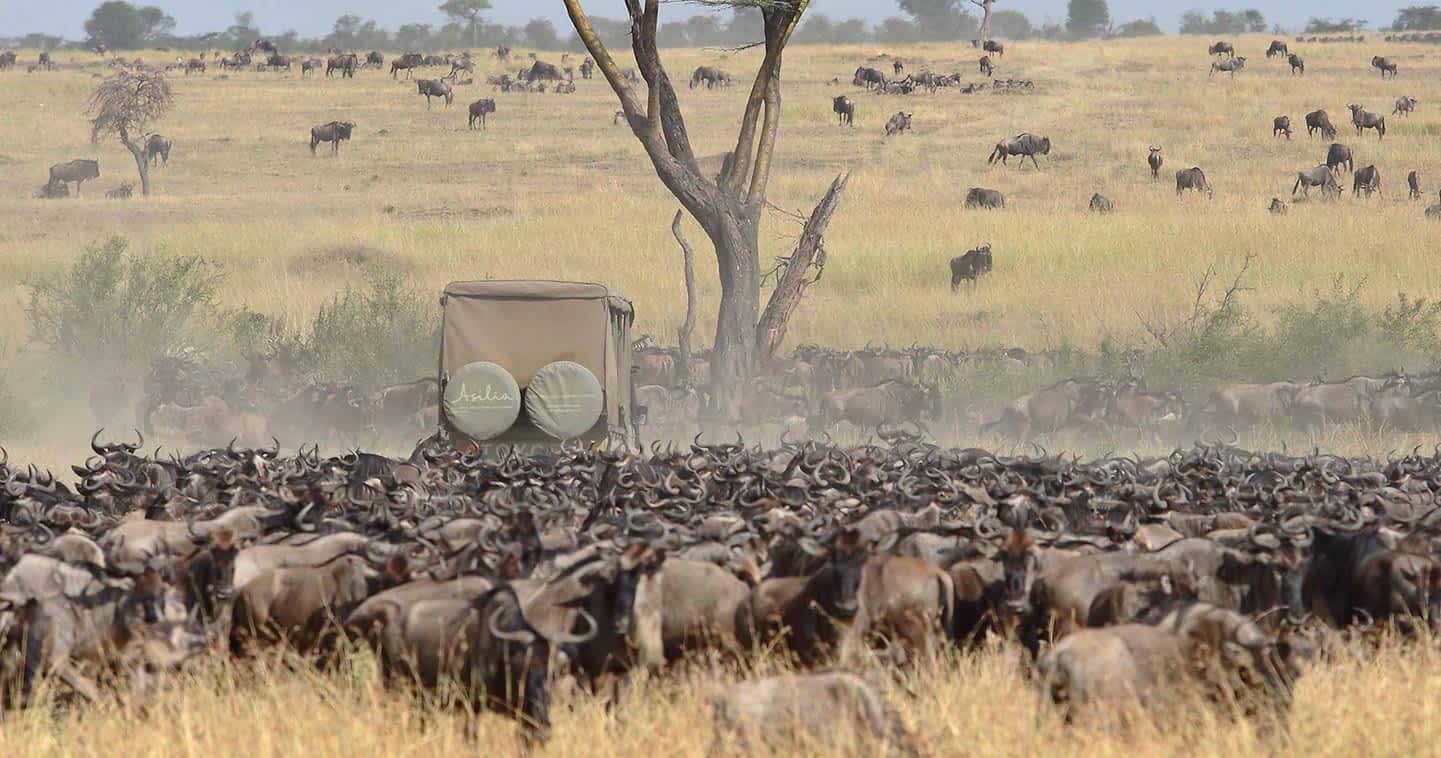
This custom 11 Days best of Kenya and Tanzania safari classic safari adventure is carefully organized to reduce transit downtime while maximizing your field observation hours. By grouping Amboseli, Lake Nakuru, the Masai Mara, the Serengeti, and the Ngorongoro Crater into a single template, travelers experience a highly diverse cross-section of habitats. Selecting this 11 Days best of Kenya and Tanzania safari classic safari adventure secures dedicated 4x4 land cruisers, experienced local driver-guides, and handpicked bush properties. This structured 11 Days best of Kenya and Tanzania safari classic safari adventure is particularly effective for documenting diverse birdlife, resident apex predators, and complex herd behaviors. Ultimately, dedicating your time to this specific 11 Days best of Kenya and Tanzania safari classic safari adventure offers a classic perspective on regional conservation systems. Every component of this 11 Days best of Kenya and Tanzania safari classic safari adventure ensures a balanced, professional, and educational travel experience.
Tour highlights for 11 Days best of Kenya and Tanzania safari
Discover historic Nairobi orientation
View snowcapped Mount Kilimanjaro
Track Amboseli elephant herds
Explore permanent marsh swamplands
See lesser flamingo populations
Protect endangered white rhinoceroses
Observe Lake Nakuru birdlife
Travel rolling Mara grasslands
Spot resident lion prides
Monitor classic river crossings
Cross Isebania land border
Traverse vast Serengeti plains
Locate tree resting leopards
Visit Olduvai Gorge museum
See Ngorongoro crater rim
Descend volcanic caldera floor
Track rare black rhinos
Day-by-Day 11 Days best of Kenya and Tanzania safari Itinerary
Day 1: Arrival in Nairobi
The opening day of your 11 Days best of Kenya and Tanzania safari classic safari adventure centers entirely on your international arrival and regional orientation. Upon landing at Jomo Kenyatta International Airport in Nairobi, you will clear immigration controls, collect your luggage, and meet your designated transfer representative. You will be escorted to your private safari vehicle for a smooth transfer through the capital city to your comfortable hotel. The remainder of the day is kept flexible, allowing you to rest after your long flight and unpack your gear. In the evening, your lead guide will conduct a comprehensive pre-safari briefing to outline the route logistics, safety protocols, and daily schedules for the coming field days. You will enjoy dinner at the hotel restaurant before resting ahead of your morning departure into the field.
Day 2: Nairobi to Amboseli National Park
Your 11 Days best of Kenya and Tanzania safari classic safari adventure moves south today as you depart Nairobi after an early breakfast. The drive covers roughly four hours, traveling through open communal lands and vibrant market towns to the gates of Amboseli National Park. Situated directly at the base of Mount Kilimanjaro, this park is famous for its distinct scenery and grand horizons. You will arrive at your lodge in time for check-in and lunch before heading out for your first afternoon game drive. The park features dry pleistocene lake beds contrasted by lush, permanent marshes fed by subterranean mountain streams. You will track large elephant families moving through these swamps alongside herds of zebras and blue wildebeests. You will return to your lodge as sunset approaches for dinner.
Day 3: Full Day in Amboseli National Park
This day is structured to provide an intensive exploration of Amboseli’s varied habitats. An early morning drive offers the clearest views of Mount Kilimanjaro's snow-capped peak before daytime cloud cover develops. Your guide will navigate toward the Enkongo Narok swamp, where large bull elephants gather alongside hippos and diverse waterbirds like pelicans and herons. A picnic lunch will be served at a designated lookout point, keeping you out in the field to observe shifting wildlife patterns. In the afternoon, you will explore the open acacia woodlands to locate resident predators, including lions and spotted hyenas, as well as specialized plains game like Grant's gazelles and topis. The day concludes with a relaxed drive back to your lodge for dinner and your overnight stay.
Day 4: Amboseli to Lake Nakuru National Park
Following a morning breakfast, you will leave Amboseli and travel north toward the floor of the Great Rift Valley. This transit leg takes you past Nairobi and ascends the scenic escarpment before dropping down into Lake Nakuru National Park. Known globally as a critical avian sanctuary, this shallow alkaline lake supports an extensive population of lesser flamingos and pelicans along its shores. You will check into your safari lodge, enjoy a hot lunch, and head out for an afternoon game drive through the surrounding woodlands. Beyond the birdlife, Nakuru is a highly successful sanctuary for endangered black and white rhinoceroses. You will track these armored mammals along the forest edges, while keeping watch for Rothschild giraffes and leopards before returning to your lodge for dinner.
Day 5: Lake Nakuru to Masai Mara National Reserve
The fifth day of your 11 Days best of Kenya and Tanzania safari classic safari adventure takes you southwest into the world-famous Masai Mara National Reserve. The drive carries you through fertile agricultural lands and the Maasai town of Narok, arriving at your premier tented camp by midday. After settling into your canvas suite and enjoying a fresh lunch, you will join your guide for an afternoon exploration of the Mara plains. This reserve represents the northern extension of the greater Serengeti ecosystem, featuring rolling hills and dense riverine forests. During this opening drive, you will search for resident lion prides resting in the grass and watch herds of buffaloes grazing near water sources. You will head back to camp at dusk.
Day 6: Full Day Exploration of the Masai Mara
Today features an expansive, full-day field program across the open savannas of the Masai Mara. You will depart camp at dawn with packed lunch boxes to maximize your time along the Mara River corridors. This area is a focal point for wildlife activity, hosting massive pods of hippos and large Nile crocodiles. If traveling during the seasonal migration months, your guide will position the vehicle near historic crossing points to monitor herd movements. A bush picnic lunch will be served under the shade of an isolated acacia tree, allowing you to remain completely immersed in the wilderness. The afternoon drive focuses on tracking cheetahs utilizing small mounds to scan for prey. You will return to camp before dark for dinner.
Day 7: Masai Mara to Serengeti National Park via Isebania
This transition day connects two sovereign nations on your 11 Days best of Kenya and Tanzania safari classic safari adventure. You will depart the Mara early, driving southwest to the Isebania border post. Here, you will clear customs, obtain your exit and entry stamps, and transfer your luggage to a fresh Tanzanian 4x4 land cruiser. Your new Tanzanian driver-guide will welcome you and proceed directly into the northern road networks of the Serengeti National Park. The landscape is a seamless geographical continuum, where animal populations move freely across political boundaries. You will enjoy a game drive along the path to your central Serengeti camp, observing granite kopjes rising from the grass before arriving at your property for dinner.
Day 8: Full Day in Central Serengeti Plains
Your day is dedicated to exploring the Seronera Valley within the central Serengeti, an area renowned for its high concentration of resident big cats. You will head out early when leopards are most likely to be seen moving along the branches of sausage trees. The open plains support massive numbers of resident herbivores, including impalas, Thomson's gazelles, and waterbucks, which in turn attract prides of lions and solitary cheetahs. Your guide will explain the complex territorial dynamics of these predators as you navigate the dirt tracks. Lunch will be set up at a scenic picnic site surrounded by the wilderness. The afternoon drive moves through woodier segments to track elephant herds and olive baboons before returning to camp.
Day 9: Serengeti to Ngorongoro Conservation Area
Enjoy a final morning game drive through the central plains as you travel toward the Ngorongoro Conservation Area. The route crosses the southern Serengeti short-grass plains, stopping at the historic Olduvai Gorge museum. This archaeological site provides deep insights into early human fossil discoveries made by the Leakey family. After this educational pause, your vehicle ascends the outer slopes of the volcanic highlands, where the vegetation changes to lush montane forests. You will reach your lodge situated along the outer rim of the Ngorongoro Crater in the late afternoon. The high elevation offers cool air and spectacular panoramic views of the massive volcanic caldera below, providing a distinct setting for dinner.
Day 10: Ngorongoro Crater Floor Exploration
Today focuses on a half-day descent into the Ngorongoro Crater, a UNESCO World Heritage site and the world’s largest intact volcanic caldera. The crater walls form a natural enclosure, creating a highly concentrated wildlife haven on the 600-meter-deep floor. You will spend the morning tracking the resident population of black rhinoceroses along the Lerai fever tree forest and across the salt marshes. The flat floor is home to roughly thirty thousand animals, including prides of lions, spotted hyenas, and old bull elephants. You will enjoy a unique picnic lunch next to a natural hippo pool, watching the resident wildlife interact. In the afternoon, you will ascend the crater walls and return to your lodge.
Day 11: Ngorongoro Highlands to Arusha for Departure
The concluding day of your 11 Days best of Kenya and Tanzania safari classic safari adventure starts with a relaxed breakfast overlooking the highland forests. You will organize your bags and begin the smooth drive down the escarpment toward Arusha, the safari capital of northern Tanzania. En route, there is an option to visit a local cultural center or market to view traditional beadwork and wood carvings. You will arrive in Arusha by midday for a farewell lunch at a local restaurant. Afterward, your driver will transfer you directly to Kilimanjaro International Airport or Arusha Airport for your onward international flight, marking the formal completion of your classic East African travel program.
1. Which national parks are included in the 11 Days best of Kenya and Tanzania safari classic safari adventure?
The comprehensive design of this travel program is engineered to span the most significant conservation sectors across both Kenya and Tanzania, creating a diverse ecological profile. The route does not rely on a single habitat; instead, it intentionally combines distinct geographic zones, varying from high-altitude volcanic calderas to mineral-rich Rift Valley lakes and expansive grasslands. In the Kenyan portion of the itinerary, the primary focus areas are Amboseli National Park and Lake Nakuru National Park, before transitioning into the world-renowned Masai Mara National Reserve. Amboseli, positioned at the absolute base of Mount Kilimanjaro, provides an exceptional setting dominated by seasonal lake beds and permanent freshwater springs fed directly by subterranean mountain snowmelt.
As the route tracks northward into the Great Rift Valley, travelers explore Lake Nakuru National Park. This specialized sanctuary is defined by its shallow alkaline lake, dense acacia forests, and rocky cliffs, serving as a critical refuge for endangered rhinos and diverse waterbirds. The journey then moves southwest into the iconic Masai Mara National Reserve, a vast savanna landscape characterized by rolling grasslands, open hillsides, and riverine forests along the Mara River. The Masai Mara serves as the northern boundary of the greater Serengeti ecosystem, offering a highly reliable environment for tracking apex predators year-round.
Upon crossing the overland border into Tanzania, the program directly enters the immense Serengeti National Park. The Serengeti is characterized by its scale, spanning thousands of square kilometers of short-grass plains, wooded savannas, and distinctive granite kopjes. The itinerary focuses heavily on the central Seronera Valley due to its permanent water sources and high resident predator densities. The final major conservation sector is the Ngorongoro Conservation Area, specifically featuring the historic Ngorongoro Crater floor. This enclosed volcanic caldera introduces a unique, self-sustaining ecosystem protected by steep 600-meter-high walls.
2. Is the Great Wildebeest Migration included in the 11 Days best of Kenya and Tanzania safari classic safari adventure?
The Great Wildebeest Migration is a primary focus of this dual-country itinerary, and the itinerary’s length is specifically designed to maximize your chances of encountering the massive moving herds. Because the migration is a continuous, year-round search for fresh grass and water, its location changes constantly. By covering both the Masai Mara and the Serengeti within a single 11-day window, this classic safari adventure establishes a broad geographic net that allows driver-guides to intercept the herds during different stages of their annual cycle, depending on your month of travel.
If you undertake this safari between July and October, the program focuses directly on the northernmost phase of the migration cycle. During these months, hundreds of thousands of wildebeests and zebras push into the Masai Mara National Reserve from Tanzania. This period is famous for the dramatic river crossings along the Mara River, where columns of animals must brave deep waters and resident Nile crocodiles to reach the green grazing lands on the opposite bank. The itinerary includes dedicated full-day drives along these river corridors, allowing travelers to park near active gathering points and monitor herd behaviors.
Conversely, if the journey is booked between January and March, the migration focus shifts entirely to the southern plains of the Serengeti ecosystem. This window aligns with the synchronized calving season, during which roughly half a million wildebeest calves are born within a concentrated three-week period. This sudden abundance of vulnerable prey draws high numbers of large cats, leading to significant predator-prey interactions on the open plains. Because the itinerary spans both the Mara and the central-to-southern Serengeti networks, it provides the operational flexibility needed to trail the herds across international boundaries.
3. What is the best time of year for an 11 Days best of Kenya and Tanzania safari classic safari adventure?
Determining the ideal travel window for this dual-country program depends heavily on regional rainfall patterns and their direct impact on wildlife visibility and road logistics. The definitive peak period for this specific itinerary spans from late June through October. This window represents the long dry season across East Africa, a period characterized by cool morning temperatures, minimal cloud cover, and virtually no rainfall. As surface water holes dry up throughout the interior savannas, wildlife is forced to gather around permanent rivers and active marshes, making tracking highly predictable.
Furthermore, the dry season causes the tall savanna grasses to recede significantly, opening up the landscape and providing completely unobstructed views across the plains. This short grass cover is invaluable for wildlife photography and helps long-range tracking teams locate camouflaged predators like leopards or cheetahs resting on low mounds. This June-to-October window also aligns perfectly with the most active phases of the wildebeest migration, ensuring travelers can access the major herd concentrations in either the northern Serengeti or the Masai Mara.
An alternative premier window runs from January to March, which marks the short dry season in equatorial East Africa. This period is particularly rewarding for the Amboseli and Serengeti segments of the route. Clear morning skies during these months offer the most reliable, unobstructed views of Mount Kilimanjaro's snow-capped peak from Amboseli. Simultaneously, the southern Serengeti hosts the migration's annual calving season. While the "green season" from April to May offers lush landscapes and lower visitor numbers, the heavy seasonal rains can make dirt roads muddy and cause wildlife to disperse widely away from permanent water sources.
4. Do I need a visa for the 11 Days best of Kenya and Tanzania safari classic safari adventure?
Navigating immigration protocols correctly is a critical prerequisite for this multi-country overland safari. Because the itinerary physically crosses a terrestrial border between Kenya and Tanzania, travelers must secure valid entry authorizations for both independent nations before arriving in the field. It is a significant misconception that a single visa covers both destinations automatically; instead, travelers must complete distinct digital applications to satisfy the separate legal frameworks of each country.
For the Kenyan portion of the journey, the traditional physical visa system has been entirely replaced by an Electronic Travel Authorization (eTA) system. All international visitors, including children, must apply online through the official government portal several weeks prior to departure. The eTA process requires travelers to upload scanned copies of their passport bio-data page, flight itineraries, and confirmed lodge bookings. This document functions as a pre-screening entry approval that must be printed out and presented to immigration officials upon landing at Jomo Kenyatta International Airport in Nairobi.
For the Tanzanian portion of the route, travelers must secure an independent Tanzanian tourist visa. This can be processed as an electronic visa (e-Visa) through Tanzania's official immigration portal. It is important to note that while the joint "East Africa Tourist Visa" exists for regional travel, it currently only covers Kenya, Uganda, and Rwanda—Tanzania remains outside this specific agreement. Therefore, travelers must hold both their approved Kenyan eTA and their valid Tanzanian e-Visa printouts before the driver-guide arrives at the Isebania land border, ensuring a smooth transition through bilateral customs.
5. What animals will I see on the 11 Days best of Kenya and Tanzania safari classic safari adventure?
The wide variety of ecosystems covered by this 11-day route ensures exposure to an exceptionally broad cross-section of African biodiversity. Foremost among the wildlife priorities is the opportunity to observe the complete "Big Five" sequence: African bush elephants, Cape buffaloes, lions, leopards, and rhinoceroses. Amboseli National Park is famous for its elephant populations, where travelers can watch multi-generational families led by experienced matriarchs moving through the permanent green swamps, often with the dramatic backdrop of Mount Kilimanjaro.
As the safari progresses into Lake Nakuru, the focus shifts toward specialized endangered species. Nakuru functions as a highly secure sanctuary for both black and white rhinoceroses, allowing travelers to view these heavy mammals grazing along the forest fringes. The park also hosts Rothschild giraffes and extensive olive baboon troops. Upon entering the Masai Mara and the central Serengeti plains, the landscape is dominated by large numbers of predators. Massive prides of lions use the open grasslands for communal hunting, while cheetahs utilize their speed on the flat terrain to pursue Thomson's gazelles. Leopards are regularly tracked along riverine networks, often spotted resting on the branches of sausage trees.
The Ngorongoro Crater floor introduces a highly concentrated, semi-enclosed sanctuary where animal interactions are intensive. The flat, 260-square-kilometer crater floor supports a resident population of highly endangered black rhinoceroses, alongside spotted hyenas, golden jackals, topis, and large hippopotamus pods occupying the permanent pools. Across all the open savanna sectors, travelers will encounter thousands of plains zebras, blue wildebeests, impalas, Defassa waterbucks, and elands, providing a complete view of East Africa's complex food webs.
6. What type of vehicle is used for the 11 Days best of Kenya and Tanzania safari classic safari adventure?
The rough terrain encountered across this dual-country route—ranging from corrugated dirt roads and deep mud ruts to rocky mountain ascents—requires highly specialized transport. The standard vehicle used for this classic safari adventure is the custom-modified 4x4 Toyota Land Cruiser. These vehicles are engineered for extreme field durability, featuring reinforced heavy-duty suspension systems, high ground clearance, and permanent four-wheel-drive capabilities to navigate remote tracks safely in all weather conditions.
A central feature of these safari vehicles is the vertical pop-up roof canopy. Once the vehicle enters a national park or game reserve, the guide can unlock and raise the roof section. This allows passengers to stand upright within the safety of the vehicle chassis, providing unobstructed, three-hundred-and-sixty-degree views of the surrounding wilderness. This layout is ideal for tracking active wildlife, adjusting camera equipment, and capturing stable photographs without the interference or glare of window glass. Large sliding side windows also ensure excellent visibility when the roof is lowered during highway transit.
Inside the cabin, the configuration is optimized for long hours in the field. Vehicles typically feature six to eight individual, high-backed window seats, ensuring that every passenger has direct, unobstructed access to the outside. Modern safari Land Cruisers come equipped with built-in power inverters and multi-plug charging sockets, allowing guests to keep camera batteries, tablets, and phones powered throughout the day. Additionally, vehicles feature an integrated cooler box stocked with chilled drinking water, a long-range two-way radio for guide communication, and specialized reference maps and wildlife guidebooks.
7. How do I cross the border during the 11 Days best of Kenya and Tanzania safari classic safari adventure?
The overland transition between Kenya and Tanzania is a structured, mid-tour process that takes place at the Isebania land border post. Because regional licensing regulations restrict Kenyan commercial tour vehicles from operating within Tanzanian national parks, and vice versa, this administrative junction requires a complete vehicle and guide handover. Your Kenyan driver-guide will manage the road logistics from the Masai Mara, escorting you directly to the Kenyan immigration terminal and assisting with your luggage transfer.
Inside the customs hall, travelers present their passports to Kenyan authorities to secure their formal departure stamp. Guests then walk across the designated neutral zone to the Tanzanian immigration facility. Here, you will present your pre-approved Tanzanian e-Visa confirmation, submit biometric data via digital fingerprint scanners, and verify required health records, including Yellow Fever vaccination certificates. This health check is mandatory for this route because travelers are entering Tanzania after spending time in Kenya, which is classified as an endemic yellow fever zone.
On the Tanzanian side of the border post, your new Tanzanian driver-guide will be waiting with a fresh, fully serviced 4x4 safari Land Cruiser. Once your luggage is securely loaded into the new vehicle, you will depart the border facility and head southeast into the road networks that lead directly into the northern Serengeti plains. The entire border clearance process can take between one and two hours, depending on seasonal passenger volumes, but your professional guides handle the underlying paperwork and vehicle transitions smoothly to keep the journey on schedule.
8. Is accommodation comfortable during the 11 Days best of Kenya and Tanzania safari classic safari adventure?
The hospitality infrastructure across Kenya and Tanzania is highly mature, offering exceptional comfort even in remote wilderness areas. This classic safari adventure utilizes a carefully curated mix of permanent safari lodges and luxury tented camps, ensuring that guests enjoy modern amenities, excellent service, and fine dining throughout their 11-day journey. Accommodations are selected not just for their internal comfort, but for their strategic positioning near active wildlife areas.
Permanent safari lodges are substantial structures built from local stone and timber, often positioned on elevated ridges to command expansive views of the surrounding savannas. These properties feature extensive amenities, including swimming pools, formal dining rooms, viewing decks, and landscaped grounds. They provide a solid, familiar hotel environment with large en-suite rooms, hot running water, and 24-hour electricity. In contrast, luxury tented camps offer a traditional, authentic safari atmosphere without sacrificing comfort. These are large canvas pavilions set on permanent wooden or concrete foundations, equipped with king-sized beds, premium linens, writing desks, and private en-suite bathrooms with flush toilets and hot showers.
Many of these tented camps are unfenced, allowing wildlife to move naturally through the property grounds. At night, guests can hear the distant calls of hyenas and the deep roars of lions while remaining completely safe inside their canvas suites, with security guards or Maasai warriors providing continuous escorts between tents and the main dining areas. Whether staying in a stone lodge or a canvas camp, the properties offer full-board hospitality, evening campfires, and personalized attention from dedicated local staff.
9. Can I customize the 11 Days best of Kenya and Tanzania safari classic safari adventure?
The 11-day framework serves as an excellent foundational template, but it is highly customizable to match your specific travel preferences, budget levels, and photographic goals. Local tour operators specialize in tailoring this classic safari adventure to create a personalized experience, whether you want to alter the pace of the journey, upgrade your accommodations, or incorporate unique optional excursions into the daily field schedules.
A popular customization option is upgrading the accommodation tier from standard mid-range lodges to elite luxury portfolios. Premium upgrades grant access to exclusive, small-scale tented camps situated within private conservancies bordering the main reserves. These private concessions allow for specialized activities not permitted in national parks, such as off-road tracking for apex predators, guided walking safaris with local trackers, and night game drives using filtered spotlights to locate nocturnal species. Additionally, the pace can be adjusted by adding extra nights in specific parks, like the Masai Mara, to allow for a less hurried exploration.
Another major add-on is the integration of a hot air balloon safari, which can be organized in either the Masai Mara or the Serengeti. Operating at dawn, these flights offer a unique aerial perspective of the savannas, followed by a champagne bush breakfast on the plains. Cultural interactions can also be expanded to include structured visits to authentic Maasai or Samburu homesteads, or educational tours of local conservation and research centers. By collaborating closely with your operator during the planning phase, every element of the vehicle logistics, lodging styles, and daily activities can be adjusted to your needs.
10. What should I pack for the 11 Days best of Kenya and Tanzania safari classic safari adventure?
Packing for a multi-country overland safari requires careful selection to balance changing daily weather conditions with the space constraints of a 4x4 safari vehicle. The most practical clothing strategy revolves around layering. Early morning game drives begin in the cool, pre-dawn hours, requiring a warm fleece, a windproof jacket, long trousers, and a light scarf. As the sun rises and temperatures climb on the savanna floor, travelers can easily shed these outer layers to stay comfortable in breathable, short-sleeved shirts.
The color of your safari clothing is an important consideration for field tracking. Neutral tones such as khaki, tan, olive green, and bush brown are highly recommended because they blend into the natural environment and avoid attracting the attention of wary wildlife. It is best to avoid bright white clothing, which can startle animals, as well as dark blue and black fabrics, which are known to attract tsetse flies in woodland areas. Camouflage clothing is strictly discouraged, as military-style patterns are legally reserved for local defense forces across East Africa.
Essential gear includes a high-quality pair of binoculars (8x42 or 10x42) to help you spot distant wildlife and observe bird behaviors clearly. For photography, a versatile camera body paired with a telephoto zoom lens ranging up to 300mm or 400mm is invaluable for capturing sharp images from a safe distance. Do not forget a wide-brimmed sun hat, high-SPF sunscreen, polarized sunglasses, and a reliable insect repellent containing DEET. Finally, carry a small personal medical kit with motion sickness tablets, antacids, rehydration salts, and any required personal prescriptions.
11. Is tipping expected on the 11 Days best of Kenya and Tanzania safari classic safari adventure?
Tipping is a well-established custom across the East African safari industry, serving as an important way to recognize the dedication, expertise, and hospitality of the field crews and camp staff. While tipping remains entirely discretionary and should always reflect the actual quality of service you receive, it forms a significant part of the compensation for local guides and hospitality workers who spend long hours ensuring your journey is seamless and successful.
For your dedicated professional driver-guide, the standard industry benchmark ranges between $15 and $25 per vehicle, per day. This tip is typically presented in a sealed envelope at the formal conclusion of each specific country segment of the safari, as you will switch vehicles and guides at the national border. If your itinerary includes a specialized camp spotter or local walking guide, a gratuity of $10 to $15 per day is customary. For the general lodge and camp staff—including housekeepers, waiters, chefs, and security guards—most properties provide a communal "Staff Tip Box" located near the reception desk, with contributions of $10 to $15 per guest, per day distributed equitably among the behind-the-scenes team.
When preparing your tipping budget, it is important to carry crisp, clean US Dollar bills printed after 2013. Banks and exchange bureaus across East Africa regularly reject older, worn, or torn foreign currency due to counterfeiting regulations. Alternatively, tipping in local currencies, such as Kenyan Shillings or Tanzanian Shillings, is highly appreciated by the staff for their daily personal transactions. Budgeting for these gratuities before your arrival ensures you can reward the exceptional service that defines regional hospitality.
12. Are meals included in the 11 Days best of Kenya and Tanzania safari classic safari adventure?
The culinary arrangements for this classic safari adventure are structured on a comprehensive full-board basis, meaning that breakfast, lunch, and dinner are included in your daily tour package. The kitchens at the selected safari lodges and tented camps operate at high international standards, focusing on fresh, locally sourced ingredients to create menus that balance familiar international dishes with classic East African culinary traditions.
Breakfasts are typically served buffet-style in the main dining hall before the morning game drive departs. These spreads feature fresh tropical fruits, pastries, cereals, juices, and made-to-order live cooking stations for eggs, bacon, and sausages. For days dedicated to deep exploration far from the main properties, lodges provide packed picnic lunches. These are packed in specialized safari boxes and contain assorted wraps or sandwiches, roasted chicken pieces, fresh fruit, boiled eggs, juice boxes, and local pastries, allowing you to enjoy a meal at a designated picnic site surrounded by the wilderness.
Dinners are the culinary highlight of the day, often presented as a structured three-course plated menu or an extensive themed buffet. Many properties organize outdoor bush dinners or traditional boma evenings, where tables are arranged under the stars around a large central bonfire, illuminated by traditional lanterns. The hospitality teams are highly experienced in managing varied dietary requirements, including vegetarian, vegan, gluten-free, lactose-free, and halal profiles, provided these requirements are communicated to your tour operator during the initial booking phase.
13. Are there age limits for the 11 Days best of Kenya and Tanzania safari classic safari adventure?
While an overland East African safari is an exceptional multi-generational travel experience, several age-related factors and safety regulations must be evaluated when planning this 11-day itinerary. The journey involves long drives on rough, unpaved roads and extended periods within a vehicle, which can be physically demanding for very young children. Consequently, most operators recommend a minimum age of six to eight years for classic vehicle-based safaris.
Many premier safari lodges and tented camps maintain specific minimum age limits, often restricting bookings to children aged 12 and older. This policy is primarily enforced to maintain a quiet atmosphere for all guests and to ensure safety at unfenced properties where wild animals move freely through the grounds after dark. Additionally, specialized activities integrated into customized itineraries, such as guided bush walks outside the vehicle or cultural treks in remote areas, enforce a strict minimum age limit of 12 to 16 years due to the safety requirements of tracking big game on foot.
For families traveling with younger children, operators can customize the program to include family-focused lodges that feature enclosed grounds, swimming pools, and interconnecting family rooms. Private vehicle use is highly recommended for family groups, as it grants complete control over daily game-drive durations and allows for regular rest stops without affecting other travelers. Discussing the ages and endurance levels of all party members with your tour operator during the design phase ensures that the pacing and lodging selections are perfectly aligned with your family's needs.
14. Is it safe to drink the water on the 11 Days best of Kenya and Tanzania safari classic safari adventure?
Maintaining proper health and hydration is essential during an extended overland safari, and understanding regional water safety protocols is a key part of preventative care. As a standard health rule across both Kenya and Tanzania, tap water at local hotels, safari lodges, and tented camps is not safe for drinking. Untreated piped water can carry local waterborne bacteria that can disrupt your digestive system and interrupt your travel schedule.
To ensure guest safety, your tour operator and driver-guide provide a continuous supply of sealed, purified bottled water throughout the entire 11-day itinerary. Large cooler boxes built directly into your 4x4 safari Land Cruiser are kept continuously stocked with complimentary bottled water, ensuring you stay hydrated during long game drives across the warm savannas. Lodges and camps also provide complimentary bottled water in your en-suite bathrooms for drinking and brushing your teeth, while utilizing purified water for ice production and food preparation in their kitchens.
When relaxing at camp or ordering beverages during meals, it is best to verify that all bottled water is opened directly at your table with the factory seal intact. Travelers should also avoid consuming raw, unpeeled fruits or vegetables washed in tap water when dining outside of established safari properties. Following these straightforward hydration guidelines and relying strictly on the purified water supplies provided by your guide will keep your digestive health secure, allowing you to focus entirely on the wilderness experience.
15. How do I book an 11 Days best of Kenya and Tanzania safari classic safari adventure?
Securing a comprehensive, multi-country itinerary like this 11-day program requires a structured booking process to coordinate vehicle logistics, park permits, and lodging space across two nations. The initial step involves partnering with a licensed, specialized African tour operator that maintains active operational offices and ground crews in both Nairobi and Arusha. Working with an established operator ensures that vehicle handovers and border logistics are managed seamlessly by a single coordinated team.
The planning process should begin 6 to 12 months prior to your intended departure date, especially if you plan to travel during the high migration season from July to October. You will collaborate with a safari expert to define your preferred accommodation tier, choose between a shared group tour or a private customized departure, and outline any specific wildlife or photographic goals. The operator will then draft a detailed itinerary proposal, providing a transparent breakdown of included park entry fees, vehicle specifications, and full-board lodge selections.
Once the itinerary layout is finalized, a formal booking deposit—typically ranging from 20% to 40% of the total tour cost—is required to secure your space. This deposit allows the operator to purchase mandatory vehicle entry permits, register your details for park conservation fees, and lock in rooms at small-scale tented camps that feature limited availability. Final balance payments are usually due 60 days before arrival. Booking through an operator that offers comprehensive pre-travel support guarantees you receive up-to-date visa guidance, health updates, and packing checklists, ensuring a professional and well-organized travel experience from start to finish.
Booking 11 Days best of Kenya and Tanzania safari with us Roads of Adventure safaris
Booking your 11 Days Ultimate Kenya and Tanzania Safari with Roads of Adventure Safaris provides an unforgettable, expertly-guided journey through East Africa's premier wildlife destinations
