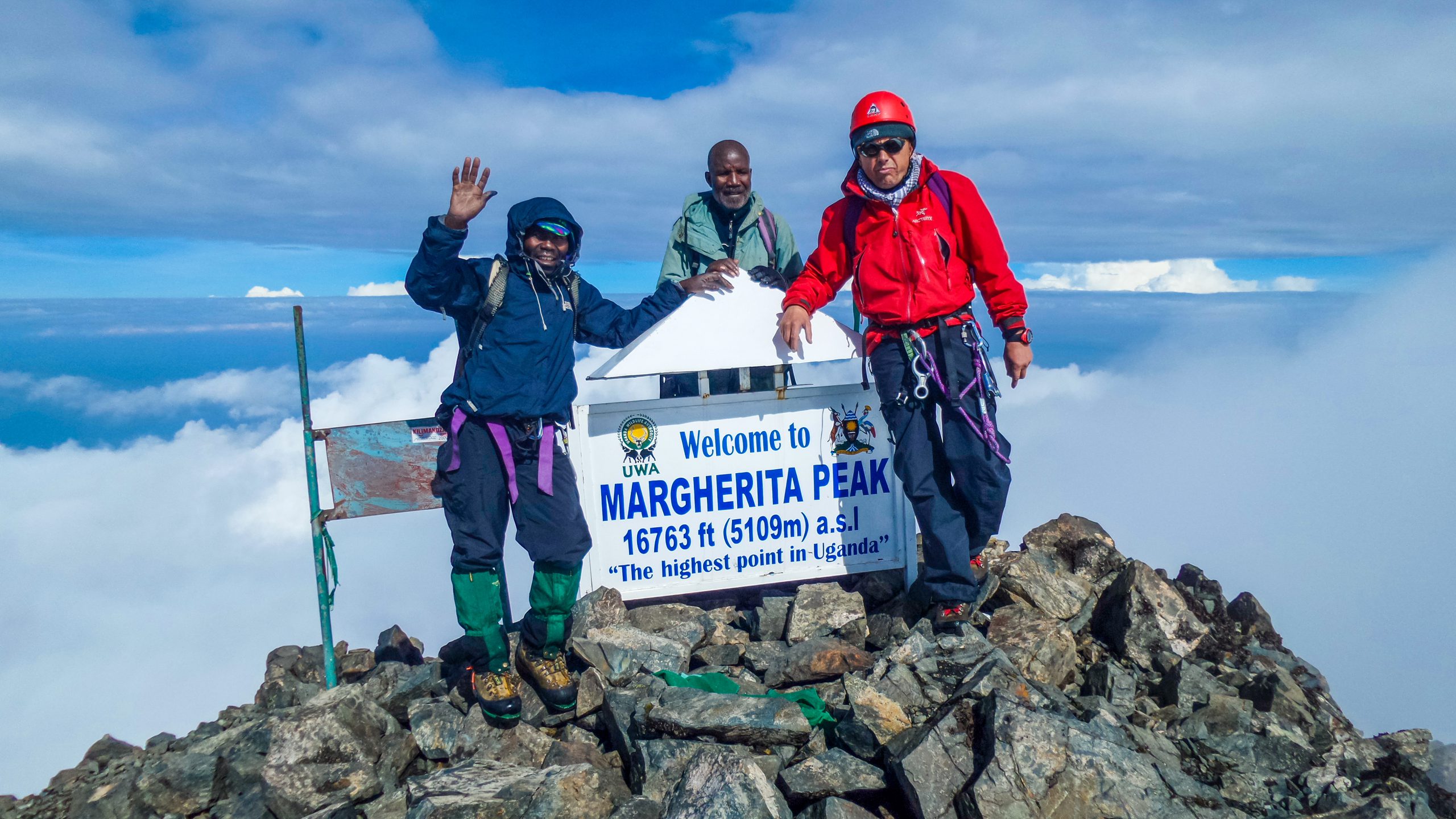
Embark on an extraordinary 11-day Ugandan adventure, blending a deep-forest mountain gorilla trek in Bwindi Impenetrable National Park with a high-altitude expedition through the Rwenzori Range. Known as the mythical "Mountains of the Moon," the Rwenzori trek takes you across glacial valleys, boggy meadows, and dramatic alpine passes. Meanwhile, Bwindi offers intimate wildlife encounters in lush, mist-shrouded rainforests. This fast-paced, physically demanding route is crafted for active adventurers seeking wild landscapes and authentic wilderness. Because gorilla tracking permits are strictly limited, securing them well in advance is essential. Designed with steady acclimating stages and dynamic land transfers, this journey captures the rugged spirit of East Africa's most iconic landscapes.
Day 1: Arrival and Transfer to Bwindi Impenetrable National Park
Arrive at Entebbe International Airport (EBB), where your private driver-guide welcomes you. Settle in for a scenic eight-to-nine-hour drive across Uganda’s countryside, crossing the Equator and winding through terraced hills. Alternatively, opt for a quick 75-minute domestic flight from Entebbe directly to Kihihi or Kisoro airstrip. Arrive at your lodge near the forest edge, take in the cool air, and enjoy a relaxing dinner.
Day 2: Mountain Gorilla Trekking in Bwindi
Wake up early for a hearty breakfast before heading to the park headquarters at 7:30 AM for a safety briefing. Paired with experienced park rangers and trackers, venture into the dense, ancient rainforest. The trek can range from two to six hours over muddy, uneven terrain depending on the gorilla family’s location. Once found, spend one unforgettable hour observing these magnificent primates up close. Return to the lodge to unwind.
Day 3: Scenic Drive from Bwindi to Kasese (Rwenzori Base)
Leave the misty forests behind and drive north toward Kasese, crossing through the Ishasha sector of Queen Elizabeth National Park. Keep your camera ready to spot famous tree-climbing lions resting in fig tree branches. Arrive at the Rwenzori base camp in Nyakalengija, situated at an elevation of 1,615 meters. Spend the afternoon registering with park authorities, meeting your mountain guides and porters, and renting any gear.
Self Drive Uganda
Day 4: Trek from Nyakalengija to Nyabitaba Hut (2,650m)
Begin the Rwenzori Central Circuit with a five-to-six-hour trek covering roughly 10 kilometers. The trail passes through farmland before entering the national park boundary, following the rushing Mubuku River. Cross a wooden suspension bridge over the Mahoma River and tackle a steady ridge climb through lush montane forest. Look out for blue monkeys and colorful Rwenzori turacos before resting at Nyabitaba Hut.
Self Drive Uganda
Day 5: Hike from Nyabitaba to John Matte Hut (3,414m)
Depart Nyabitaba and descend through the canopy to cross the Kurt Shafer Bridge at the confluence of the Mubuku and Bujuku rivers. Enter a thick bamboo forest followed by a challenging stretch over moss-covered rocks and giant heather fields. This six-to-seven-hour hike covers nearly 13 kilometers. Pass the Nyamileju rock shelter before reaching John Matte Hut, perched near the riverbank.
Self Drive Uganda+ 2
Day 6: Trek from John Matte to Bujuku Hut (3,962m)
Tackle one of the mountain's most unique landscapes as you cross the famous Lower and Upper Bigo Bogs. Hopping across tussocks and wooden boardwalks among surreal giant lobelias, you gradually climb through Groundsel Gully. Pass Lake Bujuku before arriving at Bujuku Hut after a five-to-six-hour trek covering around six kilometers. The camp sits nestled beneath towering peaks like Mount Speke and Mount Baker.
Self Drive Uganda+ 2
Day 7: Traverse from Bujuku to Kitandara Hut (4,023m)
Climb out of the Bujuku Valley, scaling steep slopes and a metal ladder up Groundsel Gully toward Scott Elliot Pass. Reaching the pass at 4,372 meters offers sweeping views of snow-dusted peaks and glacial alpine lakes. Descend over rocky trails past the Kitandara Lakes to arrive at Kitandara Hut. This dramatic five-to-six-hour hike covers roughly four kilometers across high-altitude terrain.
Adventure Dynamics International+ 1
Day 8: Trek from Kitandara to Guy Yeoman Hut (3,261m)
Ascend steeply along the southern slopes of Mount Baker up to Freshfield Pass at 4,282 meters. On clear days, enjoy views extending into the Democratic Republic of Congo. From the pass, begin a long descent across mossy alpine glades, boggy stretches, and historical rock shelters down to Guy Yeoman Hut. This rewarding trek takes roughly six hours over six kilometers.
Rwenzori Mountains+ 1
Day 9: Descend to Nyakalengija and Transfer to Queen Elizabeth Park
Complete the final stretch of the circuit, descending through bamboo zones and river valleys for five to seven hours back to the Nyakalengija base camp. Say goodbye to your mountain crew and meet your driver. Transfer two hours to Queen Elizabeth National Park, checking in at your lodge for a long-awaited hot shower, a delicious meal, and well-earned rest.
Self Drive Uganda
Day 10: Safari Game Drive & Kazinga Channel Boat Cruise
Start the morning with a sunrise game drive across the Kasenyi plains, tracking lions, leopards, elephants, and herds of Uganda kob. In the afternoon, embark on a two-hour boat cruise along the Kazinga Channel, a natural waterway linking Lake George and Lake Edward. Get close views of giant pods of hippos, Nile crocodiles, bathing elephants, and diverse birdlife along the shore.
Day 11: Departure to Entebbe
Enjoy a relaxed morning at the lodge listening to savanna sounds. Board your vehicle for a scenic drive back to Entebbe, stopping for lunch along the route. Alternatively, take a short domestic flight from the Kasese airstrip to Entebbe International Airport to seamlessly connect with your evening flight home.
What physical fitness level is required for this Uganda trip?
Answer: You need a high level of physical conditioning, solid cardiovascular endurance, and good balance for this journey. Bwindi’s gorilla trekking involves hacking through dense brush, negotiating slippery mud, and climbing steep, unpaved hillsides at elevations around 2,000 meters. Meanwhile, the Rwenzori mountain ascent is a true high-altitude expedition. You’ll be hiking up to 7 hours a day over rough terrain, crossing boardwalks over deep bogs, scaling rocky passes above 4,300 meters, and dealing with significant elevation gain. Preparation is key: several months before your trip, focus on leg strength, core stability, and cardio. Do long weekend hikes carrying a loaded daypack, spend time on a stair climber, and work on your balance. Being physically prepared will keep you safe and allow you to actually enjoy the breathtaking scenery instead of just catching your breath.
How difficult is gorilla trekking in Bwindi’s dense forest?
Answer: It varies wildly from surprisingly easy to genuinely grueling, mostly depending on where the gorilla family moved overnight. Some habituated groups stay close to the park boundaries, meaning you might find them in under an hour. Other families range deep into the park, requiring a four-to-six-hour trek across dense vegetation, sharp slopes, and slick clay trails. Bwindi isn't called "Impenetrable" for nothing—rangers often have to clear paths with machetes through tangled vines and nettles. The high humidity and elevation add another layer of effort. Hiring a local porter at the trailhead is one of the best decisions you can make. They carry your pack, offer a steady hand on slippery climbs, and provide invaluable support while directly benefiting the local community economy.
What is the best time of year to trek Rwenzori?
Answer: The optimal months for trekking the Rwenzori Mountains are during Uganda’s drier seasons: June through August, and December through February. During these windows, you'll experience clearer skies, better mountain views, and somewhat drier trails—though in a rainforest alpine environment, "dry" is relative! The Rwenzoris are notorious for rain, mist, and boggy ground year-round, but the drier months make navigating the famous Bigo Bogs significantly easier and less tiring. Additionally, mountain passes are less slick, and visibility for taking pictures is far better. If you go during the wetter months (March to May or September to November), expect heavy rainfall, deeper mud, cold temperatures, and thick fog that can hide the dramatic surrounding peaks.
What essential gear should I pack for hiking in Rwenzori?
Answer: Layering and waterproofing are your absolute top priorities. You'll move from warm, humid montane forest to sub-zero alpine passes. Pack high-quality moisture-wicking base layers, insulating fleece or down mid-layers, and a durable, fully waterproof jacket and pants. Good, broken-in waterproof hiking boots with strong ankle support are non-negotiable. Many trekkers also bring tall rubber gumboots for the muddy bog sections—you can easily buy or rent these at the base camp. Bring high-rated gaiters, thermal gloves, a warm beanie, sturdy trekking poles, and a 0°F-rated sleeping bag. Don't forget UV-blocking sunglasses and sunscreen for high-altitude reflection, along with dry bags or waterproof liners inside your main duffel to keep your dry clothes safe from relentless rain.
Do I need altitude sickness medication for the mountain pass?
Answer: Yes, it’s strongly recommended to consult a travel medicine doctor about preventative altitude medication like Acetazolamide (Diamox). The Rwenzori Central Circuit climbs rapidly, reaching high points like Scott Elliot Pass at 4,372 meters and Freshfield Pass at 4,282 meters. Acute Mountain Sickness (AMS) can affect anyone regardless of age or physical fitness if you ascend too fast. Taking Diamox helps your body speed up acclimatization, reducing symptoms like headache, nausea, fatigue, and dizziness. Aside from medication, the best defense is staying hydrated—drink at least 3 to 4 liters of water daily—eating enough carbohydrates, and maintaining a slow, steady pace ("pole pole" as they say in Swahili). Always listen to your body and inform your mountain guide immediately if you feel unwell.
How far in advance should I book gorilla trekking permits?
Answer: You should secure your gorilla permits at least 6 to 12 months before your intended travel date. The Uganda Wildlife Authority (UWA) strictly limits the number of daily permits to protect the gorillas from stress and disease exposure. Only eight human visitors are allowed per gorilla family per day, meaning permits sell out fast—especially during peak safari months (June-August and December-February). Because your entire 11-day route hinges on matching your Bwindi gorilla date with your Rwenzori trekking start date, booking late can throw off your entire schedule. Working with a reputable local tour operator is the easiest way to secure permits, as they handle the direct registration, payment, and coordination with park authorities smoothly.
What wildlife can I see in Queen Elizabeth National Park?
Answer: Queen Elizabeth National Park boasts incredible biodiversity across its savannas, wetlands, and forests. In the southern Ishasha sector, you'll search for the famous tree-climbing lions resting in giant fig trees. Across the northern Kasenyi plains, game drives offer sightings of African elephants, cape buffalos, Uganda kob, waterbucks, warthogs, side-striped jackals, and occasionally elusive leopards. Taking the boat cruise along the Kazinga Channel provides front-row seats to one of the world's highest concentrations of hippos, alongside giant Nile crocodiles cooling on the banks. The park is also a world-class birding destination with over 600 species, including African fish eagles, pink-backed pelicans, kingfishers, and saddle-billed storks that flock to the water's edge.
What are the mountain accommodation huts like in the Rwenzoris?
Answer: The mountain huts along the Rwenzori Central Circuit offer rustic, unheated, communal shelter designed to keep you dry and out of the elements. Facilities typically consist of wooden or metal frame cabins fitted with bunk beds and simple foam mattresses. You must bring a cold-weather sleeping bag (rated to sub-zero temperatures) and a sleeping pad for extra insulation against the chill. Bathrooms are basic long-drop pit latrines, and running water is limited to cold mountain stream water brought in for washing. Meals are cooked freshly by your mountain crew over gas stoves, serving warm, hearty dishes like pasta, rice, soups, and porridge to keep your energy up. It's rough camping elevated to basic shelter—cozy enough after a long, cold day on the trail.
Is it safe to travel across southwestern Uganda right now?
Answer: Southwestern Uganda is generally safe, friendly, and welcoming for international tourists, especially when traveling with an established tour operator. Tourism is a vital industry, and national parks maintain a visible presence of armed park rangers and tourism police to protect wildlife and visitors alike. When road-transferring between Entebbe, Bwindi, Kasese, and Queen Elizabeth Park, you'll travel through peaceful rural towns and farmland. Standard travel safety rules apply: keep your valuables secure, avoid walking alone in towns after dark, and follow your guide's advice on local customs and wildlife distances. Check your government's current travel advisories prior to departure, stay informed about regional road conditions, and make sure your travel insurance covers high-altitude trekking and medical evacuation.
How should I prepare for the changing climate during trekking?
Answer: Prepare for extreme climate variations within a single week. Bwindi is warm, humid, and rain-prone, requiring lightweight breathable clothes paired with a reliable rain shell. Queen Elizabeth National Park brings hot, dusty savanna conditions where sun protection, light colors, and breathable fabrics keep you comfortable. Up in the Rwenzoris, temperatures drop drastically with every thousand meters of ascent. Lower elevations are muggy and wet, middle zones are damp and chilly, and high passes frequently dip below freezing with harsh windchill and occasional frost or snow. The secret lies in a versatile layer system: wear sweat-wicking base layers, pack warm insulating mid-layers like fleece or down, and keep a heavy-duty waterproof outer shell accessible in your daypack at all times.
Booking 11-Day Gorilla Trekking & Rwenzori Mountain with us Roads of Adventure safaris
Ready to take on the trip of a lifetime? Head over to the Roads of Adventures Safaris website and drop them a line through their Contact Us page. Their team can help tailor every detail of your itinerary and lock in your dates.
A quick heads-up: don't wait until the last minute! Gorilla permits for Bwindi Impenetrable National Park run at $800 per person, and because spots are strictly limited to protect the wildlife, they tend to sell out fast. You'll definitely want to secure yours 3 to 12 months in advance to guarantee your place in the forest.
