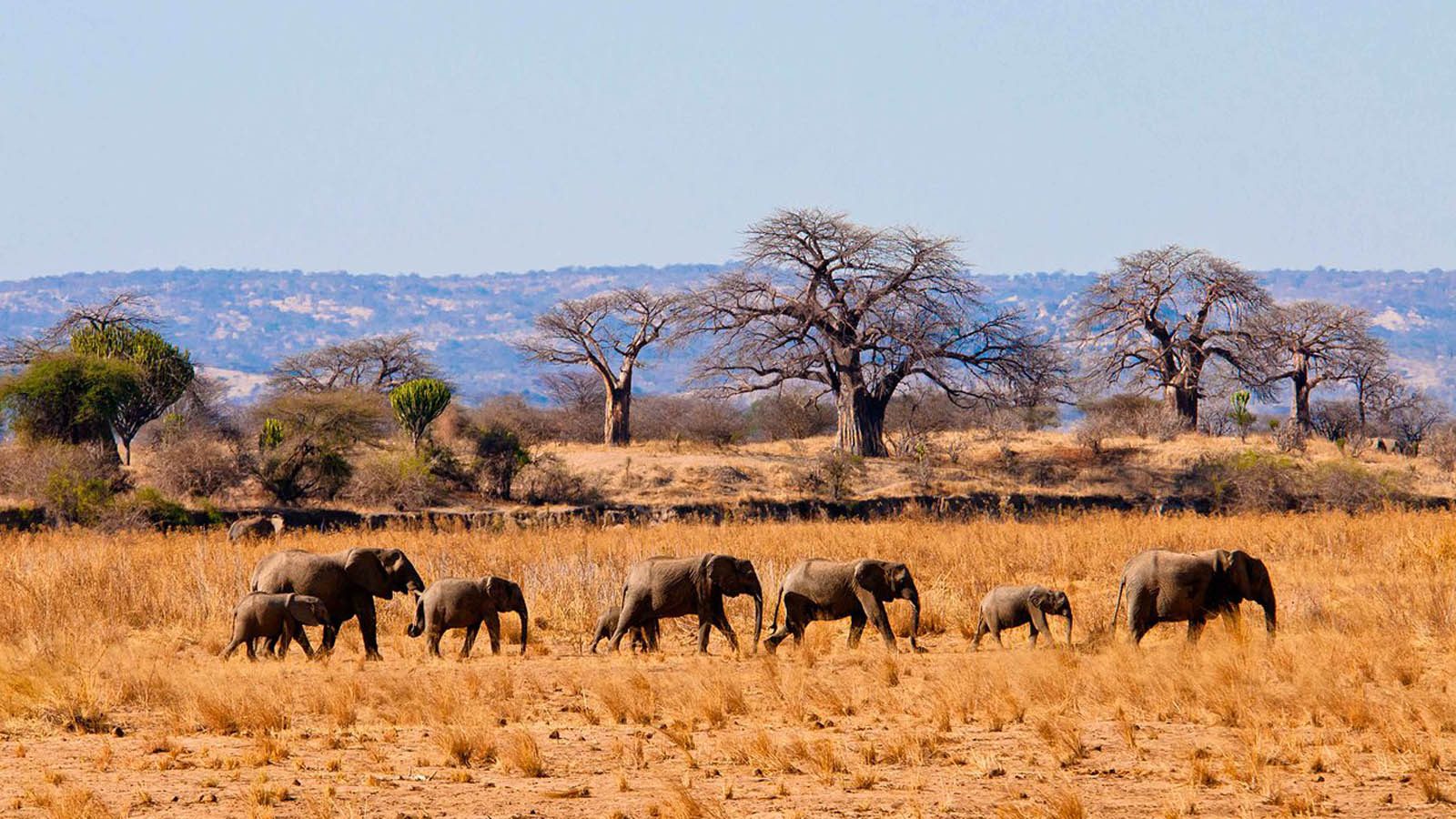
Skipping Tarangire National Park means missing out on one of Africa’s most dynamic wildlife sanctuaries. As the unsung hero of Tanzania's Northern Circuit, it serves up staggering elephant encounters and dramatic predator action without the overwhelming crowds of its neighbors. Whether you are a photography enthusiast chasing the golden light filtering through ancient trees or a birdwatcher ticking off rare endemics, Tarangire delivers a raw, unfiltered safari experience right from the start. It is the perfect introductory chapter to a classic Tanzanian adventure.
3-days-best-tarangire-national-park-tanzania-safari-tour-package
4-days-best-tarangire-ngorongoro-and-serengeti-safari-itinerary
5-days-tanzania-safari-to-tarangire-serengeti-ngorongoro-and-lake-manyara
6-days-best-northern-circuit-tanzania-safari-to-best-tanzania-safari-parks
7-days-all-inclusive-tanzania-safari-holiday-from-arusha
8-days-7-nights-midrange-safari-in-tanzania-northern-circuit-parks
Massive Elephant Herds
Tarangire National Park is globally recognized as a premier sanctuary for the African bush elephant (Loxodonta africana), harboring one of the highest densities of these megaherbivores on the continent. During the peak dry season, the landscape undergoes a dramatic transformation as the surrounding Maasai Steppe dries up, forcing scattered family groups to unite into massive super-herds. It is a regular occurrence to witness breathtaking congregations of up to 300 individuals gathered simultaneously along the banks of the Tarangire River.
These encounters offer an incredibly intimate look into complex elephant sociology. Visitors can observe the protective matriarchs leading their lineages, playful calves learning to navigate the river currents, and young bulls engaging in mock sparring matches to test their strength. The sheer volume of elephants creates a continuous sensory experience: the deep, low-frequency rumbles that vibrate through the safari vehicle, the sudden trumpet echoes bouncing off nearby ridges, and the sight of massive grey bodies moving silently through the tall grass.
Unlike other parks where elephant sightings might be fleeting or distant, Tarangire's open terrain and predictable water sources allow for prolonged, close-up observations. This high density is supported by extensive migratory corridors that connect the park to neighboring communal lands, ensuring the genetic health and survival of the population. For anyone captivated by these intelligent, emotional giants, watching a multi-generational herd kick up red dust against the setting sun is a profound highlight that rivals any wildlife experience in Africa.
Ancient Baobab Trees
The physical landscape of Tarangire is defined by the magnificent presence of the African baobab tree (Adansonia digitata). Known colloquially as the "Tree of Life" or the "Upside-Down Tree" due to its root-like branch formations, these botanical titans dominate the park's ridges and valleys. Many of the baobabs standing in Tarangire today are centuries old, with some specimens estimated to have been growing for over a thousand years, silently witnessing the rise and fall of ecosystems and human generations alike.
Beyond their stark, prehistoric beauty, baobabs function as vital keystone species that support a vast array of wildlife. Their massive, fibrous trunks are capable of storing thousands of liters of water, making them a literal lifesaver during intense droughts. Elephants frequently use their tusks to gouge out the soft, moisture-rich bark for hydration, creating distinctive scars on the trees that heal over time.
Simultaneously, the hollows of older, weathered baobabs provide essential nesting sites for a diverse range of birds, including hornbills, rollers, and birds of prey. Nocturnal creatures, such as bushbabies and bats, utilize these natural cavities for daytime shelter, while bees construct hives deep within the trunks. For photographers, these giant trees offer a dramatic, sculptural silhouette against the vibrant Tanzanian sky, acting as timeless monuments that give Tarangire an ancient, otherworldly atmosphere found nowhere else on the Northern Circuit.
Dramatic Dry Season River Life
The Tarangire River is the lifeblood of the entire ecosystem. Running directly through the heart of the park, it serves as the only permanent freshwater source for miles during the long, punishing dry season from July to October. As the surrounding bushland dries out and smaller waterholes vanish, the river becomes a focal point for an annual miniature migration, drawing thousands of animals from across the Maasai Steppe.
This concentrated mass of wildlife creates an arena for intense ecological drama. Vast herds of zebras, wildebeests, elands, gazelles, and buffaloes line the riverbanks, cautiously jostling for a turn to drink. This predictable influx of prey turns the riverbanks into a prime hunting ground for apex predators. Lions utilize the dense riverine vegetation for ambush cover, leopards lounge in the overhanging sausage trees waiting for an opportunity, and spotted hyenas patrol the edges to isolate weak or injured individuals.
The atmosphere during these months is charged with palpable tension. A peaceful drink can instantly fracture into a chaotic stampede at the snap of a twig or the flash of a predator's coat. For safari-goers, parking along the river tracks offers front-row seats to these raw survival struggles. Furthermore, the shrinking water levels expose muddy banks that attract hundreds of storks, herons, and ibises, transforming the river into a colorful, buzzing hub of activity where life and death hang in a delicate balance daily.
Fewer Crowds
One of Tarangire's greatest advantages is its ability to offer an exclusive, unhurried safari experience. While the neighboring Serengeti National Park and Ngorongoro Crater rightly attract global fame, their popularity can occasionally result in congested wildlife viewings, with dozens of vehicles surrounding a single predator sighting. Tarangire, by contrast, remains blissfully under the radar for many mainstream tourists, retaining a raw and wild atmosphere.
This lower vehicle density fundamentally changes the nature of a safari. Instead of rushing to join a radio-called cluster of vehicles, visitors have the luxury of time and space. You can track a leopard through the acacia scrub or sit quietly beside an elephant herd for hours without another vehicle in sight. The lack of engine noise and tourist chatter creates a profound sense of solitude, allowing you to connect deeply with the natural sounds of the African bush.
This tranquility is highly beneficial for wildlife behavior as well. Animals in Tarangire are generally less stressed by tourism pressure, allowing them to engage in natural behaviors—such as hunting, mating, and nursing their young—closer to the roads. The park’s layout, featuring an extensive network of loops and tracks winding through diverse habitats, ensures that even during peak travel months, safari guides can easily find private corners of the wilderness to share exclusively with their guests.
Excellent Predator Action
While Tarangire is rightly celebrated for its herbivores, it is also a dynamic stronghold for large carnivores, boasting four of the iconic "Big Five" (elephants, lions, leopards, and buffaloes). Because the park lacks the extensive rhino habitats found in Ngorongoro, it does not support the full Big Five, but the high concentration of plains game during the dry months sustains healthy populations of the other four predators.
The park is particularly famous for its tree-climbing lions. While this behavior is more commonly associated with Lake Manyara, Tarangire's lions regularly ascend the low, sturdy branches of acacia and baobab trees during the afternoon to escape the midday heat, dodge biting insects, and gain a superior vantage point over the savanna. Spotting a pride of lions draped lazily over thick tree limbs is a memorable and photogenic sight.
Leopards are also highly prosperous here, finding ideal camouflage in the dense riverine woodlands and rocky kopjes that dot the park. Guides frequently spot these elusive cats resting in the branches of sausage trees or shifting along dry riverbeds. Additionally, the open, golden grasslands in the southern reaches of the park provide the perfect terrain for cheetahs to utilize their unmatched speed when hunting impalas and gazelles. With wild dogs occasionally passing through and large clans of spotted hyenas operating in the area, Tarangire delivers consistent predator viewing.
Spectacular Birding Haven
For ornithologists and casual bird lovers alike, Tarangire National Park is nothing short of a paradise. Boasting a checklist of over 500 recorded avian species, the park features one of the highest bird diversities per square kilometer of any protected area in East Africa. This extraordinary variety is driven by the park’s diverse ecosystems, which range from swamps and riverine forests to dry savannas and rocky woodlands.
The park is a crucial habitat for several Tanzanian endemics and localized specialties. Birders can easily spot the eye-catching Yellow-collared Lovebird flitting through the trees, or the Ashy Starling hopping along the ground. The skies are constantly patrolled by an impressive array of raptors; Tarangire is home to the majestic Martial Eagle, the distinctively shaped Bateleur, and numerous vulture species nesting in the tops of the baobabs. On the ground, the world’s largest bird, the Common Ostrich, shares space with heavy Kori Bustards and striking Southern Ground Hornbills.
The birding experience reaches its absolute peak between November and April. During this green season, the arrival of thousands of palearctic and intra-African migratory birds floods the park with color and song. The Silale Swamp, a vast wetland in the eastern part of the park, transforms into a vibrant nursery for waterbirds, filled with storks, pelicans, herons, and ibises. Whether you are searching for tiny, brilliant sunbirds or massive eagles, Tarangire provides an endless, rewarding avian safari.
Unique Safari Activities
A major drawback of many national parks in East Africa is the strict regulatory framework that confines visitors to standard daylight game drives along designated roads. Tarangire breaks away from this mold through its unique relationship with surrounding Wildlife Management Areas (WMAs), such as Randilen and Burunge. These community-led conservation zones border the park boundaries and open up a completely different menu of safari activities.
One of the most thrilling opportunities available here is the guided walking safari. Stepping out of the metal capsule of a 4x4 vehicle and placing your boots directly onto the African soil completely shifts your perspective. Accompanied by an armed ranger and an expert tracker, you learn to interpret the small details of the bush: identifying animal footprints, decoding alarm calls, and understanding the medicinal uses of local flora, all while feeling the thrill of being on foot in big-game country.
As darkness falls, the adventure continues with night game drives, which are prohibited inside the main state parks. Equipped with specialized spotlights, these nocturnal excursions reveal a secret world. Visitors can spot elusive predators like genets, civets, and African wildcats on the hunt, watch bushbabies leaping through the canopy, or catch the glowing eyes of a lion pride waking up for a nocturnal patrol. Combined with off-road driving privileges to track rare sightings, these activities offer a level of flexibility and adventure that elevates a standard safari into an immersive expedition.
Stunning Photography & Culture
Tarangire is a visual masterpiece that captivates photographers and culturally curious travelers alike. The park's topography is visually dynamic, characterized by rolling golden savannas, rugged granitic kopjes, green swamplands, and the dramatic, sweeping ridges of the Great Rift Valley. This varied terrain, combined with the sculptural presence of the baobabs and the dust kicked up by massive elephant herds, creates a multi-layered canvas that catches the golden hour light beautifully, making it an absolute dream for landscape and wildlife photography.
Beyond its natural aesthetics, the human geography surrounding Tarangire adds a deep layer of cultural richness to the safari experience. The boundaries of the park interface closely with the traditional homelands of the Maasai and the Barabaig pastoralist communities. Through carefully managed, ethical cultural visits to local villages (bomas), travelers can step away from wildlife viewing to learn about the ancient traditions that have coexisted with these wild ecosystems for centuries.
Visitors are often welcomed with vibrant, rhythmic songs and high-jumping dances, followed by a look inside their mud-and-thatch homes. These encounters provide insight into their intricate beadwork, livestock-rearing techniques, and profound understanding of wildlife tracking and conservation. Experiencing this living history provides a vital human context to the trip, reminding travelers that the preservation of Tarangire's magnificent wildlife is deeply intertwined with the heritage and future of the Tanzanian people who call this region home.
Why do safari experts call Tarangire an underrated gem?
Safari veterans often refer to Tarangire as Tanzania's best-kept secret because it quietly delivers some of the most dramatic wildlife viewing in East Africa without the mainstream hype. While the Serengeti and Ngorongoro Crater dominate travel brochures, Tarangire operates like an exclusive insider’s club. It offers an incredible concentration of animals, particularly during the dry season, but lacks the bumper-to-bumper vehicle traffic found elsewhere.
Skipping it means missing out on a place where you can sit in silence and watch nature unfold without five other safari trucks blocking your view. It provides a rare sense of old-world solitude, allowing you to actually hear the sounds of the bush—the low rumble of elephants, the warning calls of birds, and the wind through the grass. For travelers who value authenticity and peace over checking a famous name off a bucket list, this park represents the very soul of a true African safari. It strikes a perfect balance between high-density game viewing and raw, wild exclusivity, making it a favorite for photographers and guides who know the circuit inside and out.
Can I see the Big Five inside this park?
You cannot see the full "Big Five" here because Tarangire lacks the specific black rhino habitat found in places like Ngorongoro. However, skipping the park for this reason would be a massive mistake. Tarangire is an absolute stronghold for the other four members of the group: elephants, lions, leopards, and buffaloes. In fact, your chances of encountering massive herds of elephants and Cape buffaloes here are among the highest in East Africa.
The predator action is equally spectacular, with healthy populations of lions and highly elusive leopards thriving in the riverine woodlands. If you focus solely on checking off the rhino, you miss out on a park that offers unparalleled, high-quality interactions with the other four giants. Safari planners typically pair Tarangire with the Ngorongoro Crater specifically to get the best of both worlds. You get the raw, uncrowded elephant and big cat experience in Tarangire, and then secure your rhino sighting in the Crater later on. It is about the quality and intimacy of the wildlife encounters, not just ticking boxes.
What makes the elephant encounters here so incredibly unique?
The elephant encounters in Tarangire are defined by sheer scale and jaw-dropping intimacy. We aren't talking about spotting a lone bull a few hundred yards away; we are talking about standing in the presence of multi-generational super-herds that can swell up to 300 individuals during the dry season. Because the Tarangire River is the only reliable water source for miles, these massive families are forced to congregate along its banks.
You get to watch complex social behaviors play out right before your eyes. You will see protective matriarchs guiding the group, young calves playfully splashing in the mud, and teenage bulls testing their boundaries. The park's open terrain allows safari vehicles to sit quietly alongside these paths, giving you a front-row seat to their world. The sensory experience is unforgettable: the deep, guttural rumbles that vibrate right through your chest, the rustle of dry grass as a wall of grey moves past your vehicle, and the explosion of red dust underfoot. Bypassing this means missing one of the greatest, most profound wildlife spectacles on the planet.
How do ancient baobabs change the entire landscape view?
The iconic African baobab trees completely transform Tarangire from a standard savanna into an otherworldly, prehistoric wonderland. Known as the "Upside-Down Tree" because their branches look like tangled roots reaching for the sky, these colossal botanical titans dominate the ridges and valleys of the park. Many of these trees have been standing for well over a thousand years, silently watching ecosystems shift and generations pass.
They give the park an ancient, majestic character that you simply won't find in the flat grasslands of the Serengeti. For anyone holding a camera, these sculptural giants provide a dramatic silhouette against the fiery Tanzanian sun, creating iconic, multi-layered landscapes. Beyond their visual beauty, they are vital to the ecosystem. Their massive trunks store water that keeps wildlife alive during droughts, and their hollows provide nesting spots for countless birds and nocturnal creatures. Driving through a valley dotted with these silent monuments feels like stepping back in time to an era when the earth was entirely wild. Missing this landscape means missing the most visually distinct park in Tanzania.
Why is the dry season river life so dramatic?
When the dry season hits between July and October, the Tarangire River becomes a high-stakes theater where life and death hang in a delicate balance every single day. As the surrounding Maasai Steppe completely parches and smaller watering holes vanish, thousands of migratory animals—zebras, wildebeests, gazelles, and buffaloes—are forced to head straight to the river to survive.
This predictable mass gathering creates an absolute magnet for apex predators. Lions use the thick riverine bush for ambush cover, while leopards lounge in the overhanging limbs of sausage trees, keeping a watchful eye on the banks. The atmosphere down by the water is charged with palpable tension. Every drink is a gamble, and a peaceful moment can fracture into a chaotic stampede at the snap of a twig. For a traveler, parking along the river loops offers a front-row seat to raw survival struggles. You get to witness the strategy of the hunt and the resilience of the herds in a way that few other places can replicate. Skipping it during these months means bypassing peak African wildlife drama.
Is it true that the park has fewer crowds?
Yes, it is entirely true, and this is perhaps the single biggest reason why you should never skip it. While the Serengeti and Ngorongoro Crater are world-famous for good reason, their popularity means you will often find yourself sharing a single lion or leopard sighting with twenty other safari vehicles. This vehicle congestion can take away from the wild, untouched feeling you want from an African adventure.
Tarangire offers a brilliant antidote to this tourist rush. Because it sits slightly under the radar for mainstream tourists, vehicle density is remarkably low. You can track a leopard through the acacia scrub or sit quietly beside an elephant herd for an hour without another truck in sight. This lack of engine noise and tourist chatter lets you truly connect with the wilderness. The wildlife is less stressed, which means they behave more naturally and often come closer to the vehicles. Choosing Tarangire means choosing a private, exclusive connection with nature that feels less like a tourist track and more like an authentic expedition into the unknown.
What kind of predator action can travelers expect here?
Travelers can expect consistent, high-octane predator action that rivals any of the more famous parks. Because Tarangire plays host to massive concentrations of plains game during the dry months, it easily supports healthy, robust populations of large carnivores. The park is especially renowned for its tree-climbing lions. While this trait is often linked to Lake Manyara, Tarangire's prides regularly climb into the low, sturdy branches of acacia and baobab trees to escape the midday heat and get away from biting insects.
Seeing a massive lion draped lazily over a thick tree limb is a striking sight. Furthermore, the riverine woodlands and rocky kopjes provide the perfect camouflage for leopards, which are frequently spotted resting in the branches of sausage trees. In the open, golden grasslands of the southern sections, cheetahs take advantage of the flat terrain to unleash their incredible speed on impalas and gazelles. With regular hyena activity and occasional wild dog sightings, the park delivers an exceptional, multi-layered predator experience that keeps your adrenaline pumping on every game drive.
Why do birdwatchers consider this a premier paradise?
For anyone with a pair of binoculars, skipping Tarangire is completely out of the question because it boasts one of the highest bird diversities on the planet. With over 500 recorded avian species packed into its borders, the park is a vibrant, buzzing paradise. This incredible variety is fueled by its diverse habitats, which shift quickly from dry savannas and acacia woodlands to massive, permanent wetlands like the Silale Swamp.
The park is a critical sanctuary for stunning Tanzanian endemics, such as the colorful Yellow-collared Lovebird and the localized Ashy Starling. The skies are constantly patrolled by a majestic lineup of raptors, including Bateleur eagles and Martial eagles, while heavy Kori bustards and ground hornbills stalk the grasslands below. The birding experience hits a spectacular peak between November and April when thousands of migratory birds arrive from Europe and northern Africa. During these months, the swamps and riverbanks turn into a swirling kaleidoscope of color and song. Even if you don't consider yourself a birdwatcher, the sheer volume and beauty of the birdlife here will completely captivate you.
What unique safari activities can I experience here?
One of the hidden frustrations of Tanzania's major national parks is the strict rulebook: you must stay inside your vehicle at all times and leave the park before sunset. Tarangire beautifully shatters this rigid mold through its close connection with surrounding community-run Wildlife Management Areas (WMAs). In these bordering conservation zones, a whole new world of adventure opens up that you cannot experience inside the state parks.
You can step out of the safari vehicle and place your boots directly onto the African soil for a guided walking safari. Walking alongside an armed ranger and a local tracker allows you to notice the finer details of the bush—interpreting animal tracks, decoding bird alarms, and learning about traditional tracking secrets. Furthermore, when the sun goes down, you can head out on thrilling night game drives. Using specialized spotlights, you can search for elusive, nocturnal creatures like genets, bushbabies, and hunting lions that are completely invisible during the day. This flexibility turns a standard vacation into a hands-on, immersive expedition.
How does Tarangire offer an authentic cultural connection?
A truly complete African safari is about more than just wildlife; it is about understanding the human history of the land. The areas directly bordering Tarangire serve as the traditional homelands of the Maasai and Barabaig pastoralist communities. Because these groups live right alongside the wildlife zones, visiting these areas offers a deeply authentic look into local Tanzanian cultures without the staged, overly commercialized feel found in heavy tourist tracks.
Through ethical, community-led visits to local family villages (bomas), travelers can step away from the safari vehicle to meet the people who have coexisted with these wild ecosystems for centuries. You are often welcomed with vibrant, rhythmic songs and high-jumping dances, followed by an invitation to see their traditional homes. You will learn about their intricate beadwork, their livestock-rearing strategies, and their deep knowledge of the wilderness. This living history adds an invaluable layer of human context to your journey, reminding you that the survival of Tarangire's wildlife is forever intertwined with the heritage, wisdom, and future of the people who call this region home.
Booking Tanzania safari in Tarangire with us Roads of Adventure safaris
Booking a Tarangire safari with Roads of Adventure Safaris guarantees an unforgettable, expert-led journey into the heart of big-game country. To help us customize the perfect wilderness escape for you, simply let us know your preferred travel dates, the size of your group, your target itinerary—whether you want a dedicated Tarangire immersion or a multi-day circuit out to the Serengeti and Ngorongoro—and the specific style of lodge or tented bush camp that fits your personal taste.
