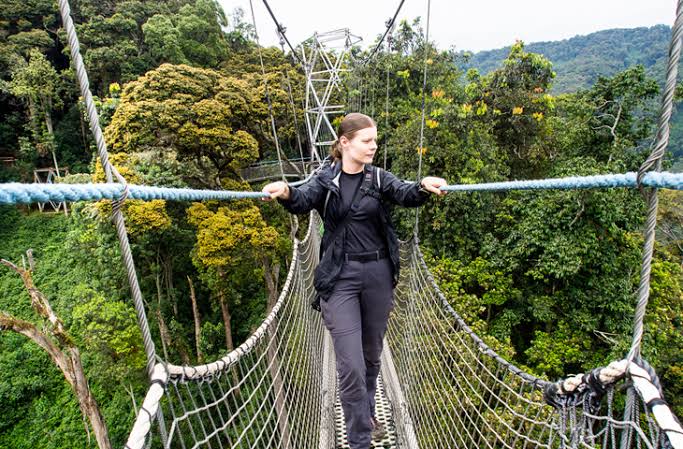
Nyungwe National Park FAQs cover its ancient rainforest, high biodiversity (13 primates, 300+ birds), key activities like chimpanzee trekking (90% sighting success, 1-hour limit, age 15+) and the famous Canopy Walk (90m high), essential gear (long clothes, hiking shoes), park rules (no littering, feeding chimps), and location (5-6 hr drive from Kigali). The park is Rwanda's largest water catchment, crucial for conservation, and visitors must book permits and follow guide instructions.
2-days-nyungwe-chimpanzee-tracking-and-canopy-walk
2-days-nyungwe-luxury-fly-in-to-trek-with-chimpanzee
2-days-chimpanzee-tracking-in-nyungwe-rwanda-vacation
3-days-nyungwe-chimpanzee-tracking-and-lake-kivu-relaxation
3-day-chimpanzee-trekking-tour-package-canopy-and-lake-kivu
3-days-budget-chimpanzee-tracking-in-nyungwe-forest-park
3-days-best-rwanda-canopy-walk-and-nyungwe-chimpanzee-tracking-adventure
4-days-nyungwe-chimpanzee-trekking-canopy-walk-and-lake-kivu-relaxation
9-days-best-family-rwanda-safari-holiday-big-five-canopy-walk-and-chimpanzee
What Makes Nyungwe Special?
Nyungwe National Park is exceptional due to its status as one of Africa's oldest and largest mountain rainforests, spanning over 1,000 square kilometers. Its rich biodiversity includes 13 primate species, over 300 bird species—29 of which are endemic to the Albertine Rift—and more than 1,000 plant species. This makes it a vital ecological hotspot for both conservation and wildlife enthusiasts. The park is not only a sanctuary for diverse flora and fauna, but it also plays a crucial role as a water source, supplying around 70% of Rwanda's freshwater and contributing to both the Nile and Congo basins. The park’s ecological significance has garnered international recognition, culminating in its designation as a UNESCO World Heritage site in late 2023. This recognition highlights the urgent need for conservation efforts in the region. Visitors to Nyungwe can expect breathtaking landscapes, exceptional wildlife encounters, and a deep connection to nature, making it a premier destination for those interested in biodiversity and ecological sustainability.
What Activities Can I Do?
Nyungwe National Park offers a myriad of nature-based activities that appeal to a wide range of interests, particularly for those on a Rwanda primate safari. The standout activity is chimpanzee trekking, where you can observe these remarkable primates in their natural habitat, particularly in the Cyamudongo Forest. The Canopy Walk is another unique experience; it features a high suspension bridge that allows you to explore the forest from an elevated perspective, offering stunning views and opportunities to spot wildlife.
Hiking enthusiasts will find over 13 well-maintained trails, with options ranging from leisurely walks to challenging treks that last up to eight hours, leading to hidden waterfalls and scenic overlooks. The park is also a prime location for birdwatching, where guided walks can reveal rare avian species. Whether tracking large troops of Ruwenzori black and white colobus monkeys or exploring the picturesque Kamiranzovu or Ngabwe waterfalls, Nyungwe provides diverse and enriching activities for wildlife lovers.
How Do I Get There?
Reaching Nyungwe National Park is convenient, making it an accessible destination for travelers embarking on a Rwanda primate safari. The park is situated in southwestern Rwanda, approximately 225 kilometers (about 5-6 hours by car) from Kigali, the capital city. The drive offers scenic views along well-paved but winding roads, providing a glimpse of Rwanda’s stunning landscapes.
For those preferring a quicker option, RwandAir operates daily flights from Kigali to Kamembe Airport, which take about 40 to 50 minutes. Once at Kamembe, a short drive of 1 to 2 hours will bring you to the park entrance. For a more exclusive experience, Akagera Aviation offers charter helicopter services directly to Nyungwe, allowing you to soar above the stunning terrain. Regardless of the mode of transport, your journey to Nyungwe promises to be filled with breathtaking views and a sense of adventure, setting the stage for unforgettable wildlife experiences.
What's the Age Limit for Trekking?
Nyungwe National Park enforces strict age limits for trekking activities to ensure safety and conservation. For chimpanzee trekking, participants must be at least 15 years old. This requirement is in place due to the challenging terrain and the importance of maintaining a quiet atmosphere while observing the chimpanzees, which can be easily disturbed.
On the Canopy Walk, the minimum age is generally set at six years, allowing younger visitors to experience this unique perspective of the rainforest. For families with younger children, shorter nature trails and birding excursions are available that can accommodate younger adventurers and provide enjoyable experiences without the physically demanding aspects of trekking. Visits to nearby tea plantations also offer educational and engaging activities suitable for all ages. These age guidelines are designed to prioritize both safety and the integrity of the wildlife experience in the park while ensuring that families can enjoy a variety of activities together.
How Much Does Chimpanzee Trekking Cost?
As of 2026, the fee for chimpanzee trekking permits in Nyungwe National Park varies according to the residency status of participants. For foreign non-residents, the cost is set at $150 USD per person per trek, while foreign residents pay $75 USD. East African citizens benefit from a significantly reduced fee of $25 USD. This pricing structure is designed to encourage visitors from various backgrounds to experience the remarkable wildlife of Rwanda.
The permit fee typically includes the services of a knowledgeable guide who accompanies you during the trek and provides insights into the primates’ behaviors and the park’s biodiversity. Additionally, the fee generally encompasses park entry for the day of your trek, enhancing its value. Participating in chimpanzee trekking not only grants you the opportunity to engage with these fascinating creatures in their natural habitat but also supports conservation efforts that ensure the protection of this unique ecosystem, making it an enriching experience for all involved.
What's the Success Rate for Seeing Chimpanzees?
The success rate for spotting chimpanzees in Nyungwe National Park is impressively high, typically around 90%. Unlike mountain gorillas, chimpanzees are highly mobile and vocal, allowing for more dynamic trekking experiences that can last anywhere from 2 to 6 hours, depending on the location where the chimps nested the previous night. This mobility means that while encounters are frequent, they may require trekking through various terrain types and potentially muddy paths.
Guides are well-trained to follow signs of chimpanzee movement, including vocalizations and feeding traces, which enhance your chances of locating a group. The thrill of tracking these intelligent primates adds an element of adventure to your Rwanda primate safari. Each encounter with the chimpanzees is unique and offers an incredible opportunity for photography and observation while fostering a deeper appreciation for wildlife conservation and the ecological importance of their habitat. Engaging in this experience not only enriches your adventure but also contributes to ongoing conservation efforts in the region.
What Should I Pack?
Preparing for chimpanzee tracking in Nyungwe National Park requires careful packing to ensure comfort and safety in the rainforest environment. Start with appropriate clothing: long-sleeved shirts and long trousers are essential to protect against stinging nettles and insects. Choosing lightweight and breathable fabrics will keep you comfortable during treks. Sturdy, waterproof hiking boots are also crucial, providing grip and stability on slippery and uneven terrain.
Pack a waterproof jacket, as rain can occur at any time of the year, and consider bringing a small backpack to carry essentials like snacks and water. A camera with a rain cover is recommended for capturing your unforgettable wildlife encounters. Additionally, thin gardening gloves can be helpful for gripping vines along the trails. Some visitors also find a walking stick useful for stability, especially on steeper paths, which you can often find available at visitor centers. Thoughtful packing enhances your overall experience, allowing you to focus on the excitement of encountering chimpanzees and enjoying the lush landscapes around you.
What Are the Rules for Chimpanzee Encounters?
To ensure a safe and respectful experience during chimpanzee encounters in Nyungwe National Park, there are several important rules that visitors must adhere to. First, maintain a minimum distance of 8 meters from the chimpanzees to minimize stress on the animals and reduce the risk of disease transmission. Interaction time is limited to one hour, allowing for observation without overstaying and disturbing their natural behavior.
Visitors are required to wear masks during encounters to protect both themselves and the chimpanzees, as these primates can be highly susceptible to human diseases. Health precautions also mean that anyone feeling unwell or exhibiting symptoms should refrain from trekking. In addition, conduct is vital: eating, smoking, and using flash photography are strictly prohibited near the primates to create a non-intrusive atmosphere that allows them to behave naturally. Adhering to these regulations enhances the experience for both guests and wildlife, prioritizing conservation and maintaining the integrity of this invaluable ecosystem.
Is It Difficult to Hike?
Hiking in Nyungwe National Park can be considered moderately to highly difficult, depending on the selected trail. The park’s rugged terrain features steep inclines, slippery soil, and varying elevations, with some trails reaching altitudes of up to 2,500 meters. This can make physical exertion more strenuous, particularly for visitors who may not be accustomed to hiking in high-altitude rainforests.
Trail conditions can also be affected by weather, especially during the rainy season, when paths may be muddy and challenging to navigate. Given these factors, hiring a porter is highly recommended. Porters offer valuable assistance with your bags and can provide stability on steeper sections, making your trekking experience more enjoyable and safer. Regardless of your fitness level, approaching the hike with preparation and an open mind can make for an unforgettable adventure, allowing you to immerse yourself in the stunning biodiversity that Nyungwe has to offer.
What's the Canopy Walk?
The Canopy Walk in Nyungwe National Park is a breathtaking experience, standing as a highlight for visitors on a Rwanda primate safari. This stunning 160-meter-long suspension bridge is divided into three sections, with the longest span reaching 90 meters and hanging 70 meters (approximately 230 feet) above the forest floor. The access to the canopy walk is via the 2.1 km Igishigishigi trail, which begins at the Uwinka Visitor Center.
Walking along the canopy bridge provides a unique vantage point to observe the rich biodiversity that thrives above the ground. Visitors can look down at the forest floor, catching glimpses of monkeys and birds at eye level, while also appreciating the intricate layers of life within the rainforest. The experience enhances the understanding of the crucial ecological processes at play in this rainforest ecosystem.
The Canopy Walk not only offers an adrenaline rush but also serves as an educational opportunity to learn about the forest's unique habitats. It is a must-visit attraction for anyone seeking to connect more deeply with the incredible wildlife and natural beauty of Nyungwe National Park.
Booking Safari to Nyungwe with Us: Roads of Adventure Safaris
Booking your safari to Nyungwe National Park with Roads of Adventure Safaris ensures a hassle-free and enriching experience tailored to your interests. We specialize in crafting customized itineraries that focus on your specific desires, whether that involves chimpanzee trekking, birdwatching, or immersing yourself in the park's lush ecosystems. Our knowledgeable and passionate guides are well-equipped to enhance your journey, providing valuable insights into the park's biodiversity and unique wildlife behaviors.
We manage all logistics, including securing necessary permits, arranging comfortable accommodations, and organizing transportation to and from the park. Our commitment to responsible tourism means that a portion of your payment supports local communities and conservation efforts, creating a positive impact on both wildlife and residents.
By choosing Roads of Adventure Safaris, you not only embark on an unforgettable adventure in Nyungwe but also contribute to sustainable initiatives that protect this extraordinary rainforest. Experience the beauty of Rwanda’s primate haven with us for a memorable journey!
