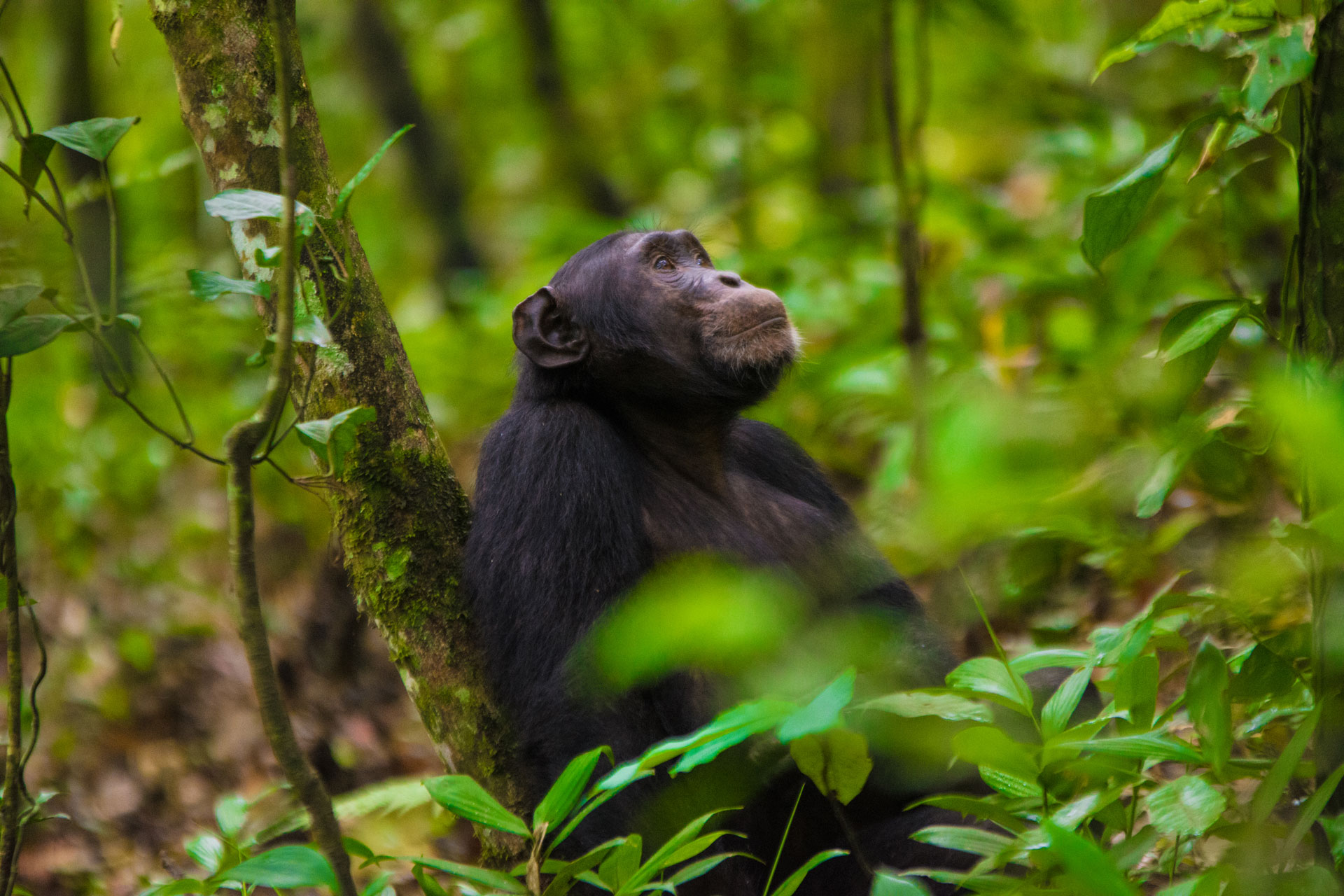
Nyungwe National Park in Rwanda is an ancient rainforest, vital for primate safaris, hosting 13 species like chimps & huge colobus troops, famed for its canopy walkway, 500+ bird species (many endemics), and acting as a major water source for Rwanda, offering unique biodiversity and hiking trails through dense montane forest. It's Africa's oldest rainforest, surviving ice ages, and its tourism benefits local communities.
2-days-nyungwe-chimpanzee-tracking-and-canopy-walk
2-days-nyungwe-luxury-fly-in-to-trek-with-chimpanzee
2-days-chimpanzee-tracking-in-nyungwe-rwanda-vacation
3-days-nyungwe-chimpanzee-tracking-and-lake-kivu-relaxation
3-day-chimpanzee-trekking-tour-package-canopy-and-lake-kivu
3-days-budget-chimpanzee-tracking-in-nyungwe-forest-park
3-days-best-rwanda-canopy-walk-and-nyungwe-chimpanzee-tracking-adventure
4-days-nyungwe-chimpanzee-trekking-canopy-walk-and-lake-kivu-relaxation
9-days-best-family-rwanda-safari-holiday-big-five-canopy-walk-and-chimpanzee
Ancient Rainforest
Nyungwe National Park is recognized as one of Africa's oldest rainforests, with a rich history that stretches back over 60 million years. This remarkable ecosystem has survived the last Ice Age, making it a sanctuary for diverse fauna and flora. Its ancient trees and dense vegetation provide a unique backdrop for a Rwanda primate safari, showcasing the intricate relationships among species. The rainforest's age contributes not only to its biodiversity but also to its selection of microenvironments that harbor various wildlife.
Visitors can explore this ancient ecosystem through extensive hiking trails, where they can witness a live tapestry of evolution. The forest floor is layered with ferns and mosses that thrive in the humid climate, while towering trees create a multi-tier canopy filled with life. Such ecological complexity enhances the chances of spotting multiple primate species, birds, and other wildlife during your safari.
The age of Nyungwe also carries cultural significance, with local communities recognizing the forest as a source of spiritual and ecological identity. Engaging in a Rwanda primate safari in Nyungwe allows visitors to connect with nature and appreciate its history, all while contributing to the conservation of this ancient wonder. Experiencing the park's unique biodiversity is not just about observing wildlife; it's about understanding a living legacy that has persisted through the millennia.
Primate Hotspot
Nyungwe National Park is a premier destination for primate enthusiasts, home to an impressive 13 primate species. This makes it a vital hotspot for devotees of wildlife, particularly during a Rwanda primate safari. Among the notable inhabitants are habituated chimpanzees, who allow for intimate encounters as you track them through their natural habitat. Equally captivating are the large troops of Black and White Colobus monkeys, which can number up to 400 individuals, displaying fascinating social behaviors. Other primate species include the elusive L’Hoest's monkeys and the charming Owl-faced monkeys, each adding their unique charm to the ecosystem.
During a trek, guides share insights into each species, enriching your understanding of their behaviors and social structures. Observing these primates in their natural environment offers a glimpse into their daily lives, from foraging to playful interactions, transforming your Rwanda primate safari into an educational adventure.
The presence of such diverse primate species not only enhances the biodiversity of Nyungwe but also bolsters conservation efforts aimed at protecting these magnificent animals. The park's management works closely with local communities to promote sustainable practices that support both wildlife and the livelihoods of residents. Participating in a primate safari here contributes to these efforts, ensuring that future generations can enjoy the wonders of Nyungwe's rich primate life.
Chimpanzee Trekking
A major highlight of any Rwanda primate safari in Nyungwe National Park is the opportunity to engage in chimpanzee trekking. This unforgettable experience allows you to observe these incredible primates in their natural habitat, with Cyamudongo Forest serving as a key location for sightings. As you embark on this journey, experienced guides lead small groups through the lush rainforest, sharing valuable insights about the local ecosystem and the life cycles of chimpanzees.
Trekking through the dense undergrowth provides a unique thrill, as you engage all your senses to spot signs of chimpanzee activity—such as nests, feeding sites, and vocalizations. This immersive experience deepens your connection with the natural world, making the encounter with these intelligent animals all the more rewarding.
Chimpanzee trekking is also a significant conservation effort. Each permit obtained contributes to the financial support of local communities and the ongoing efforts to protect the park's rich biodiversity. Additionally, habituated groups of chimpanzees have been carefully monitored and studied, allowing for a more intimate and educational experience. Engaging in chimpanzee trekking in Nyungwe offers an exceptional opportunity to connect with these remarkable creatures and plays a vital role in their conservation, making it an essential component of a Rwanda primate safari.
Canopy Walkway
The canopy walkway in Nyungwe National Park is a highlights of any Rwanda primate safari, offering a unique perspective on the forest’s rich biodiversity. As East Africa's first canopy walk, it allows visitors to traverse a 50-meter-high bridge suspended among the treetops, providing breathtaking views of the surrounding rainforest. The experience is both thrilling and educational, as you get a close-up view of the rich flora and fauna that thrive high above the forest floor.
The canopy is bustling with life, including various bird species, butterflies, and, of course, monkeys. Multiple species, such as the Black and White Colobus and L'Hoest monkeys, are often seen frolicking among the branches, creating spectacular photographic opportunities. The walkway serves as a vital bridge between different forest layers, showcasing the importance of these diverse ecosystems and enhancing the understanding of forest conservation.
This aerial perspective enriches your Rwanda primate safari experience by allowing you to appreciate the ecological complexity of Nyungwe's ancient forest. The canopy walkway not only offers excitement and adventure but also serves as a platform for education about the importance of rainforest conservation. Whether you’re an avid birdwatcher, an enthusiastic photographer, or simply a lover of nature, this iconic structure is a must-visit highlight of Nyungwe National Park.
Birdwatcher's Paradise
Nyungwe National Park is celebrated as a birdwatcher's paradise, boasting an incredible diversity of over 300 bird species, including 27 that are endemic to the Albertine Rift. This remarkable avian biodiversity makes Nyungwe a crucial stop on any Rwanda primate safari, as you have the chance to encounter rare and beautiful bird species during your visit. Among the highlights are the stunning Rwenzori Turaco, the regal Great Blue Turaco, and the elusive African Pitta.
The park’s varied habitats, from dense rainforests to wetlands, create rich ecosystems that attract a wide array of bird species. Birdwatchers can explore extensive trails while guided tours provide expert insights into the identification and behavior of different birds. The combination of beautiful scenery and vibrant avian life promises an unforgettable experience for both novice and experienced birdwatchers.
Participating in birdwatching during your Rwanda primate safari allows you to connect with the natural world in a unique way, enhancing your overall experience in Nyungwe. The thrill of spotting elusive species is just one facet; appreciating the tranquility of the rainforest and its sounds opens up a deeper understanding of nature. Engaging in this activity contributes to conservation awareness, as protecting avian habitats is vital for maintaining biodiversity in the region.
Major Water Source
Nyungwe National Park is not only a wildlife haven but also a crucial water source for Rwanda, supplying approximately 70% of the nation’s freshwater. This significance is rooted in its strategic location at the Congo-Nile Divide, acting as a vital watershed for the region. During a Rwanda primate safari, you'll come to appreciate the ecological importance of Nyungwe, not only for its diverse wildlife but also for its role in sustaining local communities and ecosystems.
The park's dense forests and extensive wetlands naturally filter and regulate water flow, providing clean water that supports agriculture and local livelihoods downstream. This natural system is crucial for both human and wildlife populations, making conservation efforts in Nyungwe essential for the health of surrounding areas.
Visiting Nyungwe offers invaluable insights into the interconnectedness of wildlife, forests, and water resources. It emphasizes the importance of protecting these natural landscapes and underscores how conservation efforts positively impact local communities. You’ll leave with a deeper understanding of how preserving this ancient rainforest benefits not only the wildlife you observe but also the people who rely on its resources, enriching your Rwanda primate safari experience.
Biodiversity Hotspot
Nyungwe National Park stands out as a remarkable biodiversity hotspot, with an extraordinary array of over 1,000 plant species, including numerous orchids, amphibians, reptiles, and various mammals like duikers and bushbucks. This rich tapestry of life is part of what makes a Rwanda primate safari so unique; the park is an essential area for conservation and biodiversity preservation. The variety of habitats—ranging from montane forests to wetlands—supports this impressive diversity, ensuring that visitors have a multifaceted nature experience.
The park's ecological systems provide vital services, making it crucial for local flora and fauna alike. During your safari, you may encounter vibrant plant communities, including rare species that contribute to the forest’s intricate ecological web. Observing these plants alongside the primates and birds adds depth to your understanding of the interactions within the ecosystem.
Nyungwe's biodiversity highlights the importance of conservation initiatives aimed at protecting these fragile environments. By participating in a Rwanda primate safari here, you contribute to the preservation of this vital natural heritage, ensuring that future generations can continue to appreciate and explore the incredible living diversity that Nyungwe offers.
Extensive Trail Network
With over 130 kilometers of hiking trails, Nyungwe National Park offers an extensive network that caters to various fitness levels and interests, making it an ideal location for those on a Rwanda primate safari. These trails lead visitors through the forest's diverse ecosystems, offering opportunities to spot a wide range of wildlife, including several primate species and rich bird life.
Each trail provides a unique experience, whether you’re seeking adventure, tranquility, or both. Some paths take you to scenic waterfalls, while others meander through towering trees and lush vegetation. The well-marked trails enhance accessibility, making it easier for visitors to explore the park independently or with a knowledgeable guide.
Hiking in Nyungwe also deepens your appreciation for ecological processes, as guides illuminate the intricate relationships between different species. The chance to encounter chimpanzees or other primates during your trek adds excitement and purpose to the experience. Engaging with nature in this manner cultivates a genuine connection with the rich biodiversity of the park. Walking these trails not only enhances your Rwanda primate safari but also fosters a sense of adventure and wonder that makes the journey unforgettable.
Kamiranzovu Swamp
Kamiranzovu Swamp, nestled within Nyungwe National Park, is notable for being Rwanda's largest protected swamp, representing a unique and vital ecosystem that enhances the park’s biodiversity. Visitors on a Rwanda primate safari will appreciate the swamp's ecological significance, where diverse plant and animal species thrive in this wetland environment. The swamp is particularly important for various bird species, serving as a habitat for winter migrants and endemic avian life, such as the majestic Blue Turaco and different waterfowl.
Walking through the swamp provides visitors with the opportunity to witness the dynamic interplay between aquatic and terrestrial life. The rich vegetation offers ample spots for birdwatching, making it a hidden gem within the park for wildlife enthusiasts. Additionally, the swamp’s role as a water catchment area contributes to the ecological health of Nyungwe and the overall watershed.
Exploring Kamiranzovu Swamp during your safari provides comprehensive insight into the vital role wetlands play in biodiversity conservation. Engaging with this ecosystem highlights the importance of sustainability and responsible tourism, as protecting such areas is crucial for the health of both wildlife and local communities. Your visit supports conservation efforts that ensure the swamp remains a thriving habitat for generations to come.
Community Benefits
As part of Nyungwe National Park's commitment to sustainable tourism, 10% of park revenues are directed towards supporting local communities. This dedication not only enhances the livelihoods of residents but also fosters a sense of ownership and responsibility toward conservation. Engaging with local communities during your Rwanda primate safari provides a deeper understanding of the socio-economic context surrounding the park, enriching your overall experience.
Community projects funded by these revenues range from educational initiatives to improved access to clean water. By directly benefiting from the park’s resources, local residents are more likely to participate in conservation efforts, creating a symbiotic relationship between wildlife and communities. Engaging with local artisans, restaurants, and guides also enriches your time spent in the area, as you gain insights into the cultural significance of Nyungwe and its ecosystems.
Moreover, responsible tourism practices help to promote awareness about the importance of preserving natural habitats, encouraging visitors to become advocates for conservation. By participating in a Rwanda primate safari, you contribute to both wildlife protection and community development, providing a holistic perspective on the benefits of ecotourism in this unique region of the world.
When is the Best Time to Visit Nyungwe National Park on a Rwanda Primate Safari
The best time to visit Nyungwe National Park for a Rwanda primate safari is during the dry seasons, which typically run from May to September and December to February. These months feature relatively lower rainfall, making hiking trails more accessible and enhancing your chances of successfully spotting primates, including the popular chimpanzees and various monkey species. During the dry season, primates are more active, often foraging and socializing, which creates excellent opportunities for observation.
While the dry months are ideal, visiting during the wet seasons—October to April—can also offer unique experiences. The rain nourishes the forest, resulting in vibrant vegetation and an abundance of flowers. However, be prepared for muddy trails and occasional animal sightings may be less predictable. Whether you choose to visit during the dry or wet season, Nyungwe National Park offers unparalleled biodiversity and stunning scenery, making any time an exceptional time for a Rwanda primate safari.
What to Pack for Chimpanzee Tracking in Nyungwe on a Rwanda Primate Safari
When preparing for chimpanzee tracking in Nyungwe National Park as part of your Rwanda primate safari, packing thoughtfully is essential for both comfort and safety. Start with lightweight, breathable clothing in neutral colors to blend into the environment. Long-sleeved shirts and long pants are advisable to protect against insects and scratches. Sturdy hiking boots are a must, as you’ll be navigating uneven and often muddy terrain.
Don’t forget essentials like a wide-brimmed hat, sunglasses, and sunscreen for sun protection. Insect repellent is crucial to ward off mosquitoes and other biting insects. Binoculars will enhance your viewing experience, allowing you to spot not just chimpanzees but also the diverse birdlife in the park. Bring a lightweight daypack to carry water, snacks, a camera, and a rain jacket, as weather can change unexpectedly. A waterproof bag for electronic devices offers additional protection, ensuring a memorable and enjoyable chimpanzee tracking adventure.
Booking a Rwanda Primate Safari with Us: Roads of Adventure Safaris
Booking your Rwanda primate safari with Roads of Adventure Safaris ensures a seamless and enriching experience tailored to your interests. We specialize in creating customized itineraries that focus on primate tracking and birdwatching, allowing you to maximize your encounters with Africa's unique wildlife. Our experienced guides are passionate about conservation and are well-versed in the local ecology, ensuring that you gain valuable insights during your journey.
We handle all logistics, from securing park permits and transportation to arranging comfortable accommodations that match your budget. Our commitment to sustainable tourism means that a portion of your payment goes toward community development and conservation efforts, enhancing both wildlife protection and local livelihoods. With Roads of Adventure Safaris, you don’t just book a trip; you embark on a meaningful adventure that fosters connections with nature and the local culture. Let us guide you through the wonders of Nyungwe National Park, providing an unforgettable Rwanda primate safari experience.
