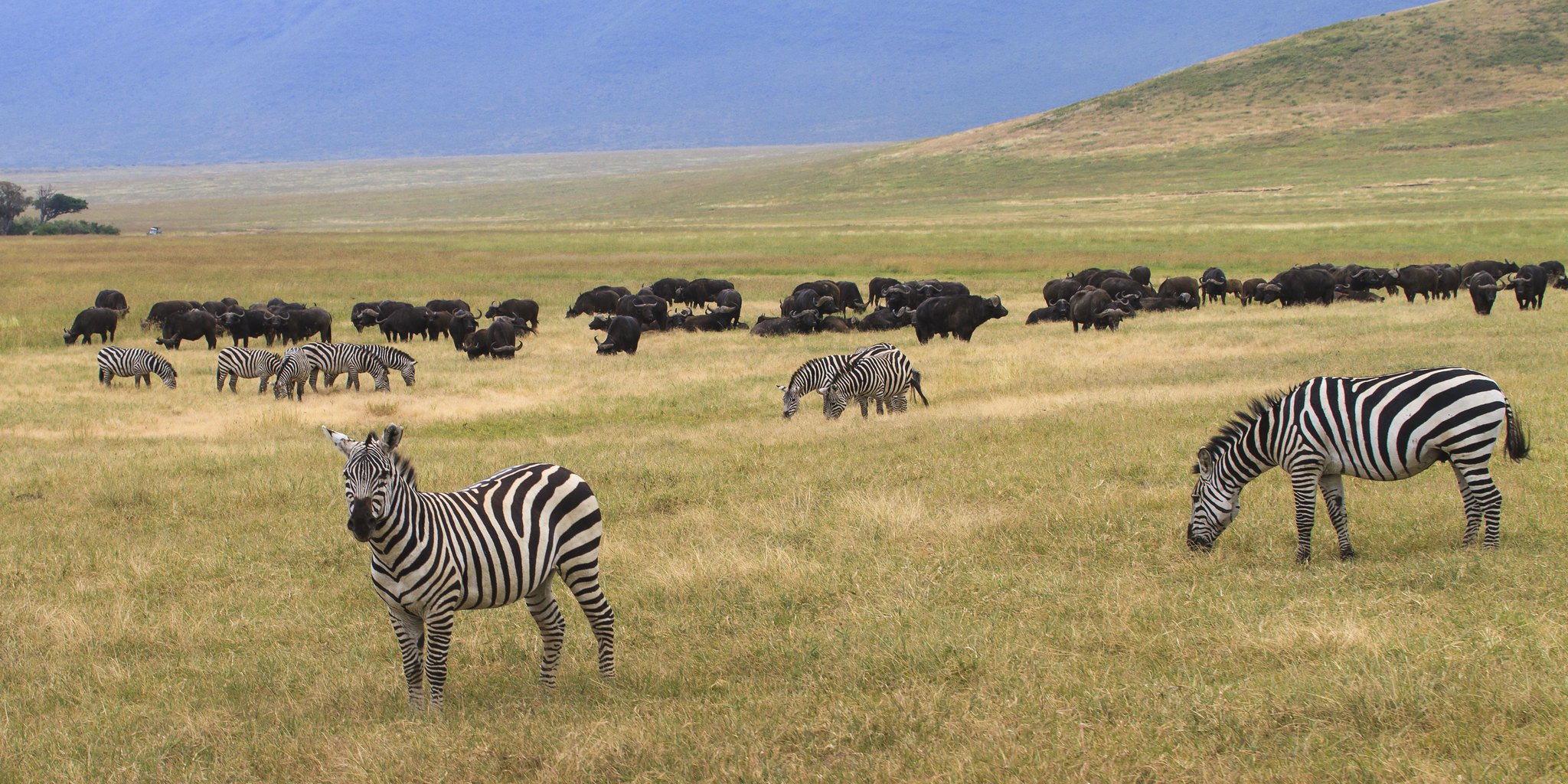
Tanzania is a premier safari destination known for its rich biodiversity and vibrant wildlife. Home to iconic species like African elephants, lions, leopards, Cape buffaloes, and rhinoceroses, Tanzania offers a remarkable opportunity to see these animals in their natural habitats. Beyond the Big Five, travelers can encounter unique wildlife such as the African wild dog, Masai giraffe, hippos, crocodiles, and countless bird species, including the famed African fish eagle and vibrant flamingos.
This 10-day Africa safari in Tanzania allows visitors to explore various national parks, including Serengeti National Park, Ngorongoro Crater, Lake Manyara, and Tarangire National Park. Each destination provides unique wildlife viewing opportunities, from the vast grasslands crowded with wildebeest to the lush forests teeming with colorful birds. The itinerary offers a well-rounded view of Tanzania’s wildlife and conservation challenges, blending wildlife adventures with cultural encounters to deepen understanding of the region. Every day holds the promise of thrilling wildlife sightings and memorable moments, creating an unforgettable adventure in Tanzania.
Tour highlights
Encounter the iconic Big Five
Explore diverse national parks' wildlife
Experience Tarangire’s elephant herds
Witness Ngorongoro Crater's rich biodiversity
Visit Lake Manyara’s unique ecosystems
Spot tree-climbing lions at Manyara
Observe the Great Migration spectacle
Enjoy cultural interactions with locals
Capture stunning photography opportunities
Delight in birdwatching adventures
Learn about conservation efforts firsthand
Relax in cozy lodge accommodations
Take scenic drives through beautiful landscapes
Savor traditional Tanzanian cuisine
Share memorable moments with fellow travelers
Conclude trip on Zanzibar's beaches
10 Days Best Africa safari in Tanzania Day by Day
Day 1: Arrival in Arusha
Upon arrival at Kilimanjaro International Airport, you will be welcomed and transferred to your hotel in Arusha. The drive to your hotel takes about 45 minutes. After settling in, you can spend the afternoon relaxing or exploring the local area. If time permits, consider visiting a nearby market or a cultural center to learn more about Tanzanian culture. You may also enjoy scenic views of Mount Meru in the background. In the evening, gather for dinner at your hotel and reflect on the exciting adventure that lies ahead. Ensure you are rested and prepared for an early start the next day as you head out into the wild. Keep your camera ready, as Tanzania is home to remarkable wildlife including lions, elephants, zebras, and more.
Day 2: Tarangire National Park
After breakfast, set off for Tarangire National Park, a drive lasting around two hours. This park is famous for its enormous elephant herds and stunning baobab trees. Upon arrival, check into your accommodation before starting your first game drive. Look for elephants wandering through the park, often seen near the Tarangire River. During the drive, you may also spot lions lounging in the shade, along with herds of wildebeest and zebra. Keep an eye out for the elusive African wild dog as well. The diverse flora and fauna make it an exciting day of wildlife observation. As the day comes to an end, return to your lodge for dinner and share stories about the animals seen during the day's adventures, winding down in the serene atmosphere of Tarangire.
Day 3: Tarangire to Lake Manyara National Park
After breakfast, drive approximately one hour to Lake Manyara National Park. This park is renowned for its unique ecosystems and is home to a variety of wildlife. Upon arrival, check into your lodge and prepare for a morning game drive. Explore the park's diverse habitats—look for elephants, giraffes, and the famous tree-climbing lions. The park is also a birdwatchers’ paradise, with opportunities to see flamingos, pink-backed pelicans, and the majestic African fish eagle. After an afternoon rest at your lodge, set out again for another game drive to spot more wildlife. As the sun sets, return to your accommodation for dinner, reflecting on the day’s encounters and admiring the beautiful surroundings of Lake Manyara.
Day 4: Lake Manyara to Ngorongoro Crater
Following breakfast, depart for the Ngorongoro Crater, about a two-hour drive away. This UNESCO World Heritage Site houses incredible wildlife in a caldera formed by a volcanic eruption. Upon arrival, descend into the crater for a full day of wildlife viewing. The fertile ground attracts a variety of species, including elephants, rhinos, lions, and buffalos. Watch for herds of wildebeest and zebras grazing across the plains. Look closely to spot other animals, such as hippos in the swampy areas and various bird species soaring above. After a thrilling day of watching the wildlife interact, ascend back to the rim for dinner at your lodge, enjoying the peaceful atmosphere and the stunning views over the crater.
Day 5: Ngorongoro to Serengeti National Park
After an early breakfast, take a scenic drive to Serengeti National Park, a journey that lasts about three hours. Upon arrival, check into your accommodation and prepare for your first game drive in this iconic park. The Vastness of the Serengeti is home to a variety of species, including lions, cheetahs, and elephants. As you explore, keep an eye out for the famous wildebeest migration if traveling during the right season. Observe how these animals interact with their environment and other species. Return to your lodge for dinner, sharing the day's highlights and exciting wildlife encounters. Serengeti's horizons and active animal movements make it a captivating destination.
Day 6: Serengeti National Park
Spend the entire day in Serengeti National Park with two game drives scheduled. Start early to catch the morning wildlife activity. Look for predators hunting or resting, and listen for the sounds of animals stirring in the early hours. Spotting lions on the hunt or leopards hiding in trees can be an unforgettable experience. After lunch at your lodge or picnic in the park, head out for the afternoon drive, which is another chance to observe the diverse wildlife. Giraffes, zebras, and wildebeests are commonly seen roaming the plains. At the end of the day, gather for dinner at your lodge, sharing your favorite moments from a fantastic day of wildlife viewing.
Day 7: Serengeti to Ngorongoro
After breakfast, take a few more hours to explore the Serengeti before beginning your drive back to Ngorongoro Crater. Look for any wildlife that you may have missed, such as the shy serval or any large cat interactions. Once you finish this last morning drive, start your journey back, which will take about 3-4 hours. Upon checking into your lodge at the crater's rim, take some time to relax before an afternoon of leisure activities. You can refresh and prepare for the next day's exploration of the crater floor. Enjoy dinner surrounded by beautiful views, savoring the memories of your Serengeti adventures, and imagining what awaits in the Ngorongoro Crater.
Day 8: Ngorongoro Crater
Return to the Ngorongoro Crater for another day of wildlife viewing. After breakfast, descend into the crater for an exciting day. The unique terrain offers excellent visibility for spotting wildlife. Look for large herds of buffalo, elephants, and prides of lions lounging together. There are also opportunities to see endangered black rhinos in this habitat. Be on the lookout for unique bird species and playful hippos in the wetlands. These shares of wildlife can be more exciting than spotting them in other regions. After a full day of discovering the park’s abundant wildlife, return to the lodge for dinner, taking in the stunning views of the crater before resting for the night.
Day 9: Ngorongoro to Arusha
After breakfast, start your drive back to Arusha, which typically takes around two to three hours. Upon arriving, you can visit local markets or cultural centers to learn more about the communities that inhabit this rich region. Consider trying some local cuisine for lunch. In the afternoon, relax at your hotel to recharge after your safari adventures. If you’re interested, you can take part in optional activities such as visiting the local Maasai villages to learn about their traditions and lifestyles. After a day of exploring and learning, enjoy your last dinner in Tanzania, reflecting on the wildlife, cultures, and memorable moments gathered throughout your journey.
Day 10: Departure from Arusha
On your final day, enjoy breakfast at your hotel before preparing for your departure. Depending on your flight schedule, you may have some additional time for last-minute shopping or a visit to local attractions near Arusha. If possible, take a short trip to the Arusha National Park, where you can spot wildlife such as giraffes and primates against the backdrop of Mount Meru. Your guide will assist with any necessary transportation to Kilimanjaro International Airport for your flight home. As you leave, consider the many incredible animals you encountered, from elephants and lions to colorful birds and peaceful giraffes. The memories from this safari will stay with you long after your return home.
What Is Included in the 10 Days Best Africa Safari in Tanzania?
A typical 10-day Best Africa safari in Tanzania includes several essential components designed to provide travelers with a comprehensive and enjoyable experience. Firstly, various accommodation options are provided, ranging from luxury lodges to tented camps, catering to different budgets and tastes. These accommodations are usually strategically located near national parks, allowing for easy access to wildlife viewing.
Professional guides are another critical feature of the safari, bringing extensive knowledge about the wildlife, flora, and fauna. These guides can enhance your understanding of the ecosystems and behaviors of the animals you encounter, enriching your journey.
Park fees are included for major game reserves like Serengeti National Park, Ngorongoro Crater, and Tarangire National Park. These fees contribute not only to the operational costs of the parks but also to conservation efforts, ensuring these natural habitats are preserved for future generations.
Transport is provided within a comfortable 4x4 safari vehicle, designed for both long drives and game viewing, featuring pop-up roofs for unobstructed views. This setup allows for easy photography and close encounters with wildlife. The 10-day itinerary is structured to maximize wildlife encounters, cultural interactions, and breathtaking natural beauty, providing a balanced experience of Tanzania’s treasures.
When Is the Best Time for a 10 Days Best Africa Safari in Tanzania?
Determining the ideal time for a 10-day Best Africa safari in Tanzania significantly impacts what wildlife you’ll see and the conditions you'll experience. Generally, the best months to visit are June to October, coinciding with the dry season. This period provides optimal conditions for wildlife viewing as animals congregate around water sources, making them easier to spot. The dry weather also means less mud on the roads, allowing for smoother travel between parks.
Alternatively, the Wildebeest calving season, occurring from January to March, offers another fantastic opportunity for wildlife enthusiasts. During this time, an estimated 500,000 calves are born in the Serengeti, attracting predators such as lions and hyenas, making it an excellent period for dramatic wildlife interactions.
While the dry season is popular, the rainy seasons (April-May and November) bring their own unique advantages. The lush scenery during these months is breathtaking, and birdwatching can be exceptional as migratory birds flock to the area. Although road conditions may be challenging due to mud, fewer tourists make for a more intimate experience with wildlife.
Ultimately, the best time for your safari will depend on your preferences for wildlife viewing, weather, and the type of scenery you'd like to enjoy, ensuring a memorable adventure in Tanzania.
Which Parks Are Visited on a 10 Days Best Africa Safari in Tanzania?
A 10-day Best Africa safari in Tanzania typically focuses on the renowned Northern Circuit, which includes some of the country’s most iconic national parks: Serengeti National Park, Ngorongoro Crater, Tarangire National Park, and Lake Manyara National Park.
Serengeti National Park is famed for its vast open plains and rich wildlife. It’s home to the Big Five (lions, elephants, leopards, buffaloes, and rhinoceroses) and is also where the Great Migration occurs, featuring millions of wildebeest and zebras moving in search of fresh grazing.
Ngorongoro Crater, a UNESCO World Heritage Site, offers a unique wildlife viewing experience due to its concentrated populations of animals within a volcanic caldera. Visitors frequently spot lions, elephants, and other wildlife, making it a prime location for photography.
Tarangire National Park is especially known for its impressive elephant herds and iconic baobab trees. It offers diverse habitats, making it a great place to see a variety of species, including lions, leopards, and various birds.
Lake Manyara National Park features a diverse range of ecosystems, attracting unique wildlife such as tree-climbing lions and large populations of flamingos along its lakeshore. The park is a birdwatcher’s paradise, particularly during migration seasons.
Each of these parks contributes to a well-rounded safari experience, showcasing Tanzania's incredible biodiversity and stunning natural beauty.
Is a 10 Days Best Africa Safari in Tanzania Suitable for Families?
Yes, a 10-day Best Africa safari in Tanzania can be a rewarding experience for families. Many lodges and camps accommodate families, offering family-friendly options that cater to various age groups. However, it is crucial to confirm age restrictions for certain activities such as walking safaris or specific accommodations, as safety is a priority.
During the safari, children aged 6 and older can usually participate in most activities. Many tour operators provide special programs designed for children, allowing them to learn about wildlife and conservation in an engaging way. Educational activities can enhance their understanding of nature and stewardship.
The comfortable transportation in a 4x4 safari vehicle allows families to travel together while enjoying views of the incredible scenery and wildlife. Daily game drives offer fun for the whole family, and spotting animals such as elephants, giraffes, and lions can be a shared excitement that fosters bonding.
Additionally, cultural interactions with local communities provide enriching experiences that contribute to cultural awareness and understanding. Throughout the journey, families will create lasting memories together, making the safari an exceptional adventure for all ages.
What Should I Pack for a 10 Days Best Africa Safari in Tanzania?
Packing wisely for a 10-day Best Africa safari in Tanzania is essential for comfort and enjoyment throughout your adventure. Start with neutral-colored clothing—khaki, beige, and olive green are ideal—to blend into the natural surroundings and to minimize your visibility to wildlife. Lightweight, breathable fabrics are perfect for the warm daytime temperatures, while layering is important for cooler mornings and evenings.
Sun protection is a must. Bring a wide-brimmed hat, sunglasses, and high-SPF sunscreen to safeguard your skin from the sun's rays, especially during long hours outdoors.
Binoculars are beneficial for wildlife spotting and observing birds at a distance. They enhance your chances of seeing animals like leopards lounging in trees or birds soaring high above. A good camera with extra batteries and memory cards is essential for capturing memorable moments.
Other recommended items include a reusable water bottle, personal medications, and a small backpack for day trips. Don't forget insect repellent to ward off mosquitoes, particularly in the evenings. Finally, having practical footwear, such as comfortable walking shoes or sturdy sandals and closed-toe shoes on safari, ensures you are ready for all activities, including walking safaris or visits to communities.
Can I See the Big Five on a 10 Days Best Africa Safari in Tanzania?
Yes, a 10-day Best Africa safari in Tanzania offers excellent opportunities to see the Big Five: lions, leopards, elephants, buffaloes, and rhinoceroses. Serengeti National Park and Ngorongoro Crater are particularly well-known for high sightings of these iconic species.
In Serengeti National Park, the vast grasslands and open plains serve as a habitat for many animals, allowing visitors to spot lions hunting or lounging in the sun. The region's leopards are often seen resting in trees, making them easier to identify. Both elephants and buffaloes can be observed in large herds, providing photo opportunities against the park's scenic backdrop.
Ngorongoro Crater enhances the possibility of seeing the Big Five due to its confined space, where large populations of wildlife can be found. This unique setting allows for easy game viewing, significantly increasing the chance of encountering these animals during your visit.
Additionally, some parks, like Tarangire and Lake Manyara, also contribute to the chances of spotting the Big Five, particularly elephants, which are often seen in large numbers. Based on the itinerary and park selection, you are likely to have a fulfilling wildlife viewing experience that can include all five iconic animals during your safari.
How Much Walking Is Involved in a 10 Days Best Africa Safari in Tanzania?
Most game viewing on a 10-day Best Africa safari in Tanzania is conducted from the comfort of a 4x4 safari vehicle, allowing for an enjoyable ride while peering out to observe wildlife. The scheduled game drives generally take place in the mornings and late afternoons or early evenings, maximizing wildlife activity.
While there are opportunities for vehicle-based observations, guided walking safaris are available in specific regions, and they typically require prior booking. These walking safaris allow you to venture into natural habitats and get a closer look at smaller wildlife, plants, and the intricacies of the terrains, which offer a different perspective on wildlife.
Walking safaris may vary in duration from a couple of hours to a full day, and they require pre-approval based on safety considerations. These activities can be a rewarding way to learn more about the landscapes and creatures living in these unique areas.
Overall, while walking safaris add an adventurous element, the majority of watchful wildlife viewing will be conducted from vehicles, allowing families and other travelers to enjoy comfort throughout the safari.
Do I Need Vaccinations for a 10 Days Best Africa Safari in Tanzania?
Vaccinations and health precautions are important considerations for anyone planning a 10-day Best Africa safari in Tanzania. It is advisable to consult a travel health professional or clinic several weeks before your trip to determine which vaccinations are recommended based on your health history and planned activities.
A Yellow Fever vaccine is often required for travelers arriving from countries where the disease is prevalent. Carrying your vaccination certificate may be necessary for entry into Tanzania, as well as for crossing into certain neighboring countries.
Malaria prophylaxis is highly advised due to the risk of malaria in many parts of Tanzania. Medication should be taken as directed by a healthcare provider to ensure proper protection throughout your stay.
Routine vaccinations, such as those for hepatitis A and typhoid, are also recommended, particularly if you'll be eating food or drinking water in local markets. Confirming vaccination needs helps ensure a healthy, safe trip that allows you to focus on enjoying the incredible wildlife and landscapes you will encounter.
What Is the Best Way to Travel Between Parks on a 10 Days Best Africa Safari in Tanzania?
Traveling between parks during a 10-day Best Africa safari in Tanzania is most commonly done via road transfers using a comfortable 4x4 Land Cruiser. This mode of transport is perfect for navigating Tanzania’s varied terrain and provides excellent visibility for wildlife spotting along the way.
Trips between the parks typically take anywhere from 1 to 6 hours, depending on the distances involved and the destination. Road travel offers scenic views of the countryside, wildlife, and local communities, making the transit part of the adventure rather than a mere journey.
The vehicles are designed for both comfort and game viewing, featuring pop-up roofs that allow tourists to have unobstructed views during drives. Depending on the itinerary, there may be scheduled stops for refreshments, restroom breaks, and opportunities for wildlife photographs.
While some parks are accessible via domestic flights, road travel allows for a more immersive experience, showcasing the stunning vistas and cultural aspects of Tanzania. Overall, utilizing a 4x4 vehicle is an ideal way to travel between parks while enjoying the magnificent scenery and wildlife encounters.
What Is the Best Way to End a 10 Days Best Africa Safari in Tanzania?
Concluding your 10-day Best Africa safari in Tanzania can be perfectly complemented by a visit to Zanzibar, an idyllic island known for its beautiful beaches and rich cultural heritage. Many tourists choose to fly from Arusha to Zanzibar, which takes about one hour, providing a smooth transition from wildlife adventures to relaxation by the ocean.
Once in Zanzibar, visitors can enjoy various activities such as lounging on pristine beaches, exploring spice markets, or visiting historic sites in Stone Town, a UNESCO World Heritage Site. Beach resorts often offer a range of amenities, including water sports, spa treatments, and local culinary delights.
Spending a few days basking in the sun offers a chance to unwind and reflect on the unforgettable experiences from your safari. The combination of wildlife encounters and beach relaxation creates a balanced getaway, blending adventure with leisure.
Whether you choose to indulge in water activities or simply soak in the atmosphere of the island, ending your safari in Zanzibar is a fitting conclusion to a remarkable journey through Tanzania’s extraordinary wildlife and culture.
