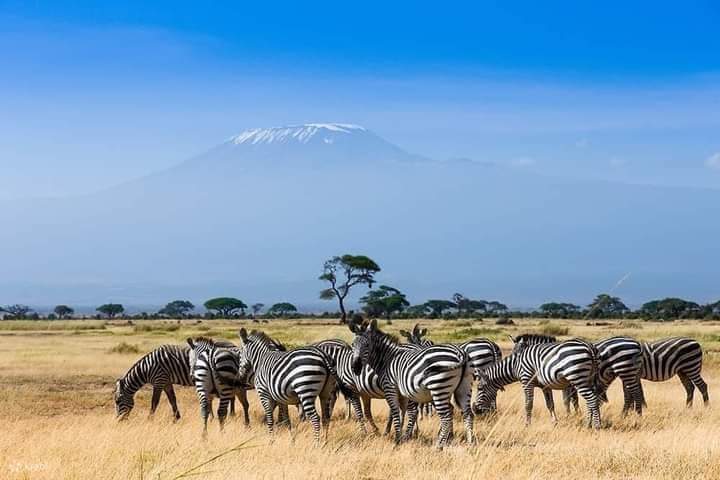
Kenya is a premier safari destination, celebrated for its incredible biodiversity and diverse habitats. The country is home to a vast array of wildlife, including the iconic Big Five: African elephants, lions, leopards, Cape buffaloes, and rhinoceroses. In addition to these species, Kenya provides opportunities to observe unique animals such as the Grevy's zebra, reticulated giraffe, and Masai giraffe. Birdwatchers can delight in over 1,000 bird species, including the African fish eagle, flamingos, and secretary birds. The country's parks and reserves range from the savannahs of the Masai Mara to the highlands of Laikipia, each with distinct wildlife. With diverse settings and numerous conservation areas, this 10-day itinerary allows travelers to connect with nature and appreciate the importance of preserving these natural habitats. Each day reveals exciting encounters with wildlife and local cultures, making it a worthwhile exploration of the best Kenya has to offer.
Tour Highlights
Iconic Big Five wildlife encounters
Breathtaking landscapes of diverse habitats
Guided walking safari adventures
Spectacular Great Migration sighting opportunities
Endangered species conservation efforts explored
Stunning birdwatching experiences throughout
Explorative cultural interactions with locals
Tranquil accommodations within nature’s embrace
Exciting evening game drives offered
Scenic boat rides on lakes
Photographic opportunities of diverse wildlife
Guided tours to wildlife sanctuaries
Delicious traditional Kenyan cuisine sampled
Memorable sunrises over savannah expanses
Engaging discussions with knowledgeable guides
Unforgettable memories shared with travelers
10 Days Best Africa safari in Kenya Day by Day
Day 1: Arrival in Nairobi
Upon arrival at Nairobi’s Jomo Kenyatta International Airport, you will be greeted and transferred to your city hotel, taking approximately 30 minutes depending on traffic. After settling in, you can opt for a visit to the Giraffe Centre, where you’ll encounter endangered Rothschild giraffes up close. Alternatively, consider a trip to Nairobi National Park, where species like lions, cheetahs, and hippos roam freely against the city skyline. During your time at the park, birds such as the attractive lilac-breasted roller and various raptors might capture your attention. Enjoy lunch at a local restaurant to sample traditional Kenyan dishes. In the evening, savor dinner at your hotel, reflecting on the adventures to come over the next nine days. Prepare for an early start the following day as you head to Ol Pejeta Conservancy, home to more remarkable wildlife and pressing conservation efforts.
Day 2: Nairobi to Ol Pejeta Conservancy
After an early breakfast, set out for Ol Pejeta Conservancy, a drive of about 2-3 hours from Nairobi. This private conservancy is dedicated to wildlife conservation, focusing on species such as black and white rhinos, giraffes, and the endangered chimpanzees. Once you arrive, settle into your accommodation before embarking on a rhino tracking adventure. Guided walking safaris provide insights into the conservation efforts aimed at protecting these magnificent creatures. In addition to rhinos, you may spot elephants, African painted dogs, and various antelope species such as the impala. Visit the chimpanzee sanctuary and learn about these important primate conservation efforts. Enjoy dinner at your lodge, reflecting on the day’s wildlife encounters and conservation initiatives. Overnight, you’ll rest in the tranquil surroundings of the conservancy, preparing for your next destination, Samburu National Reserve.
Day 3: Samburu National Reserve
After breakfast, drive north for approximately 4-5 hours to Samburu National Reserve, known for its unique wildlife species. Upon arrival, check in to your lodge or tented camp. This reserve is home to distinctive animals such as the reticulated giraffe, Grevy's zebra, and Somali ostrich, which you will not typically find in other regions. After settling in, enjoy your first game drive in the reserve, where you can observe elephants, lions, and cheetahs as they roam their natural habitat. Keep watch for buffaloes near the Ewaso Nyiro River. This area is rich in biodiversity, making it an exciting day of wildlife sightings. Return to your accommodations for dinner and share stories with fellow travelers about your encounters in the wild, looking forward to further exploration the next day.
Day 4: Samburu National Reserve
Enjoy a full day in Samburu National Reserve, starting with an early morning game drive that captures the magic of the African dawn. As the sun rises, you may witness spectacular wildlife activity. Look for lions lounging and various bird species, including the vibrant lilac-breasted roller and the majestic African fish eagle. After the morning drive, return to your lodge for breakfast before setting off for an afternoon of exploration. This section of the trip allows for deeper immersion into the wildlife as you have the chance to see elephants, zebras, and antelopes grazing or interacting by the river. At sunset, head back for dinner, sharing the day’s wildlife encounters with the group. Samburu offers distinct landscapes and species, ensuring your time here is rich and memorable.
Day 5: Lake Nakuru National Park
Following breakfast, depart for Lake Nakuru National Park, a journey that typically lasts about 3-4 hours. As you drive through the scenic Rift Valley, keep an eye out for wildlife along the way. Upon your arrival, check into your lodge and prepare for a game drive. Lake Nakuru is renowned for its flamingo populations, which create vibrant natural displays, along with a healthy population of both black and white rhinos. During your game drive, you might see leopards resting in acacia trees, as well as large herds of buffaloes. Birdwatchers will enjoy spotting various species, such as the lesser flamingo and the African fish eagle. End the day with dinner at your lodge, reflecting on the unique wildlife encountered in this remarkable park.
Day 6: Lake Naivasha
After breakfast, transfer to Lake Naivasha, which takes approximately 1-2 hours. This freshwater lake is renowned for its variety of activities, including a scenic boat ride where you can witness hippos basking in the sun or submerged in the water. You will also encounter numerous bird species, such as the great blue heron and pelicans, making it a paradise for birdwatchers. Enjoy a walking safari on Crescent Island, where you can stroll freely among wildlife like zebras, giraffes, and various antelope species. The walking safari provides a unique perspective on the flora and fauna of this area. After a day of exploration, return to your lodge for dinner. The serene atmosphere of Lake Naivasha offers a perfect place to unwind and enjoy nature.
Day 7: Masai Mara National Reserve
Depart for the world-renowned Masai Mara National Reserve, a drive of about 5-6 hours. This iconic destination is famous for its diverse wildlife and the great migration that attracts travelers worldwide. Once you arrive, check into your accommodations and prepare for an afternoon game drive. Look for elephants and lions roaming the vast savannahs and possibly see hippos cooling off in the Mara River. The landscape is dotted with acacia trees, creating picturesque backdrops for your wildlife encounters. The diversity in wildlife includes cheetahs and various antelope species, enhancing the experience. In the evening, enjoy dinner at your lodge and discuss your first day in the Mara with fellow travelers, eager for a full day of game viewing ahead.
Day 8: Masai Mara National Reserve
Spend a full day in the Masai Mara, starting with an early morning game drive. This is a prime time for spotting predators like lions and leopards actively hunting. If your visit occurs between July and October, you may witness the spectacular wildebeest migration as animals cross rivers and plains in search of fresh grazing. Look out for the impressive Nile crocodile during river crossings. You may also encounter elephants and cheetahs utilizing the open environments. Return to your lodge for lunch before embarking on another afternoon game drive. Sharing exciting stories with fellow travelers adds to the fun of the day. Your evening will conclude with dinner and reflections on the incredible wildlife seen throughout the Masai Mara.
Day 9: Masai Mara to Amboseli National Park
After breakfast, transfer from Masai Mara to Amboseli National Park, which will take roughly 6-7 hours. The drive offers scenic views as you travel through rural Kenya. Upon arrival in Amboseli, check into your lodge and prepare for an afternoon game drive. Known for its majestic African elephants, Amboseli provides fantastic opportunities to see these gentle giants up close, often framed by the striking silhouette of Mount Kilimanjaro. Keep an eye out for lions and hippos as well. Birdwatchers will enjoy spotting bird species such as the African sacred ibis and various species of storks. After a fulfilling day of wildlife observation, enjoy dinner at your lodge, soaking in the tranquil ambiance of Amboseli.
Day 10: Amboseli to Nairobi
Start your final day with an early morning game drive to catch the wildlife at its most active. Look for elephants, lions, and other species against the backdrop of Mount Kilimanjaro as the sun rises. After breakfast, prepare for a scenic drive back to Nairobi, taking approximately 4-5 hours. Depending on your flight schedule, make time for any last-minute shopping or visits to local attractions. If time permits, consider a quick stop at the David Sheldrick Wildlife Trust to learn about elephant conservation efforts. Depending on flight times, your safari concludes at Nairobi’s Jomo Kenyatta International Airport. Reflect on the diverse wildlife and breathtaking experiences encountered during your time in Kenya, ensuring lasting memories of this remarkable safari.
What Is Included in a 10 Days Best Africa Safari in Kenya?
A 10-day Best Africa safari in Kenya is designed to provide an in-depth exploration of the country's remarkable wildlife and stunning landscapes. Generally, the safari package will include park fees, ensuring that your entry into Kenya's beautiful national parks and reserves is covered, contributing to wildlife conservation efforts. Specialized safari vehicles, particularly 4x4s, are standard, allowing for comfortable travel across varied terrain while providing ample space for viewing and photographing wildlife.
Guide services are another essential aspect of the safari. Experienced guides offer insights into the behavior of animals, the local culture, and the ecosystems you are exploring, enhancing your overall experience.
Accommodation ranges from premium lodges to authentic tented camps, providing a mix of comfort and adventure. Your stay typically includes meals, allowing you to enjoy local cuisine while relaxing in the wilderness.
In addition to the essentials, some tours may offer additional activities or services, such as guided nature walks, cultural visits to local communities, or hot air balloon rides over the Masai Mara. All these elements come together to ensure a comprehensive, enjoyable, and memorable safari experience, providing both relaxation and adventure while witnessing some of the richest wildlife in the world.
Which Parks Are Included in a 10 Days Best Africa Safari in Kenya?
A 10-day Best Africa safari in Kenya usually covers several renowned national parks and reserves, each showcasing unique wildlife and landscapes. The trip often begins in the Masai Mara National Reserve, famous for its incredible population of lions, elephants, and the Great Migration of wildebeest and zebras, occurring between July and October.
From the Masai Mara, the itinerary typically includes Lake Nakuru National Park, known for its vast flocks of flamingos, rhinoceroses, and leopards. The park's diverse habitats, including alkaline lakes and forests, offer excellent birdwatching opportunities and fascinating wildlife encounters.
Lake Naivasha is another notable destination along the safari route. This freshwater lake is ideal for boat trips, providing chances to see hippos and an array of bird species up close. Here, visitors can enjoy walking safaris on nearby islands, experiencing wildlife in a serene setting.
Amboseli National Park is also frequently included, renowned for its large elephant herds and stunning vistas of Mount Kilimanjaro. The park's open plains and swamps support diverse wildlife, making it a prime location for game drives.
Lastly, some itineraries may include Samburu National Reserve or Tsavo National Park, adding more opportunities to see unique species and landscapes. Each park offers a different aspect of Kenya's rich biodiversity, making the safari a comprehensive exploration of the country's extraordinary natural heritage.
When Is the Best Time for a 10 Days Best Africa Safari in Kenya?
The timing of a 10-day Best Africa safari in Kenya significantly impacts the overall experience, especially regarding wildlife sightings and crowd levels. The peak season runs from July to October, coinciding with the Great Migration. During these months, millions of wildebeest and zebras traverse the Masai Mara, creating one of the most spectacular wildlife events in the world. This period offers enhanced opportunities for viewing large predator-prey interactions and is a favorite time for many safari-goers.
In contrast, the shoulder months of January and February are also an excellent time for safaris. Wildlife is generally more active, and the weather tends to be dry and pleasant. With fewer tourists compared to the peak season, it creates a more intimate wildlife experience, allowing for better wildlife viewing without the crowds.
On the other hand, the rainy seasons (April to May and November) introduce a different perspective on Kenya's landscapes, with lush greenery and abundant bird species. Although wildlife can be harder to spot due to vegetation, the scenery is stunning, and it's a fantastic time for birdwatching.
Ultimately, the best time for a 10-day safari depends on your interests—wildlife migration, easier viewing conditions, or lush landscapes—all offer unique experiences. Regardless of when you choose to visit, each season presents its own beauty in the heart of Kenya's diverse wildlife.
Is a 10 Days Best Africa Safari in Kenya Suitable for Children?
A 10-day Best Africa safari in Kenya can indeed be suitable for families with children, although it is usually best for kids over the age of 6. Younger children may find the travel distances and packed schedules challenging. The safari offers a unique educational opportunity for children to learn about wildlife, conservation, and different cultures.
Many lodges and camps provide family-friendly accommodations and activities specifically geared towards younger travelers. Some places even offer children's programs, which include interactive learning about the environment and wildlife. Importantly, the safari schedule typically includes longer periods of travel between destinations, which may be tiring for younger kids, so it's advisable to prepare them for this aspect.
Daily game drives—often conducted in specialized open-top 4x4 vehicles—allow children to observe wildlife up close, sparking curiosity and discussions about animals and nature. Families can bond over shared experiences like spotting the Big Five or enjoying a boat ride on Lake Naivasha.
In terms of safety, Kenya is generally considered secure for tourists, though it's important to remain vigilant about surroundings. In conclusion, with proper planning and an understanding of your children's abilities, a 10-day safari in Kenya can be a rewarding adventure for families, providing lifelong memories of wildlife and the great outdoors.
What to Pack for a 10 Days Best Africa Safari in Kenya?
When preparing for a 10-day Best Africa safari in Kenya, thoughtful packing ensures a comfortable and enjoyable experience. Neutral-colored clothing is recommended; earth tones, such as khaki, brown, and olive, help you blend into the environment and reduce visibility to animals. Lightweight, breathable fabrics are ideal for daytime, while warmer layers may be necessary for cooler evenings, especially in higher altitudes.
Essential items include a wide-brimmed hat and sunglasses for sun protection and a strong sunscreen to guard against UV rays. Sturdy walking shoes or hiking boots are crucial for outdoor activities, while comfortable footwear is essential for lodge relaxation.
Bring a good-quality camera with extra batteries and memory cards to capture memorable wildlife encounters. Binoculars for better wildlife viewing are also highly recommended. Insect repellent is essential for warding off mosquitoes, particularly in the evenings.
Don’t forget personal items such as medications, a first aid kit, and any immediate necessities you might require during your travels. If you have specific dietary needs, packing snacks might be wise, as meals may be limited in more remote locations.
Lastly, consider a small daypack for easy access to essentials during game drives. Overall, packing wisely for your safari prepares you for diverse experiences while ensuring comfort and enjoyment during your time in the Kenyan wilderness.
Are Game Drives Daily on a 10 Days Best Africa Safari in Kenya?
Yes, daily game drives are a standard and integral part of a 10-day Best Africa safari in Kenya, typically organized in two shifts: morning and afternoon/evening. Morning drives often commence at dawn when wildlife is most active, and temperatures are cooler. These early outings provide excellent opportunities for spotting a variety of animals, including predators such as lions and cheetahs, as they begin their daily activities.
The afternoon drives allow for a return to the lodge for lunch and some relaxation before heading back out when the temperatures begin to cool again. These drives can be extended into the evening, providing a chance to spot nocturnal wildlife. Depending on the park or reserve, guides often highlight the behaviors and activities of different species while offering insights into the ecosystem.
Travelers may also participate in walking safaris, cultural visits, or boat rides during their stay, providing a break from vehicle travel while still engaging with nature. Game drives in specialized 4x4 safari vehicles, designed for wildlife viewing, offer elevated seats and open roofs for better visibility, ensuring that every drive is both comfortable and rewarding.
This daily engagement with nature enables travelers to forge lasting memories and connect with Kenya's incredible wildlife throughout their safari adventure.
What Is the Accommodation Like on a 10 Days Best Africa Safari in Kenya?
Accommodation during a 10-day Best Africa safari in Kenya varies considerably, offering a range of options from luxury lodges to authentic tented camps. Most lodges and camps are strategically located near key wildlife areas, allowing for easy access during game drives.
Luxury lodges typically feature well-appointed rooms with en-suite bathrooms, offering comfort and stunning views of the surrounding landscapes. Many boast amenities such as swimming pools, spas, and gourmet dining options, providing an upscale experience in the wilderness.
Tented camps offer a unique blend of adventure and comfort, allowing you to stay closer to nature. These camps generally have spacious tents with comfortable beds, private bathrooms, and often unique touches, such as outdoor seating areas and cozy lounges. The camping experience can be exhilarating, immersing you into the sounds and sights of the African wilderness.
Family-friendly lodging options provide spacious accommodations to ensure everyone is comfortable. Regardless of the type of accommodation, most properties prioritize environmental sustainability and work closely with local communities.
Dining during the safari features a mix of local and international cuisine, generally included in your package. Most lodges emphasize fresh, locally sourced ingredients, often featuring outdoor dining experiences under the stars. Overall, the accommodation plays a pivotal role in enhancing your safari experience, combining comfort with the thrill of being in such close proximity to wildlife.
Do I Need Vaccinations for a 10 Days Best Africa Safari in Kenya?
Vaccinations and health precautions are essential considerations when planning a 10-day Best Africa safari in Kenya. The most commonly recommended vaccine is for Yellow Fever, which is a requirement for travelers entering Kenya, especially if coming from regions where the disease is prevalent. It's advisable to get vaccinated at least 10 days before departure for sufficient immunity to develop.
In addition to Yellow Fever, healthcare professionals often recommend routine vaccinations for diseases like hepatitis A and typhoid, which can be contracted through contaminated food or water. Vaccinations against diseases like rabies may be advised if you plan on engaging in activities that could put you at risk, especially in rural areas.
Malaria prophylaxis is highly recommended due to the presence of malaria in many parts of Kenya, particularly during the rainy seasons. Your healthcare provider can guide you on the best antimalarial medications to take before, during, and after your trip.
Aside from vaccinations, travelers should consider other preventative measures, including using insect repellent to avoid mosquito bites, drinking only bottled or purified water, and practicing good hygiene during meals. Consulting with a travel health clinic at least a month before travel will provide you with a tailored plan and ensure a safe journey.
What Is the Best Way to Travel Between Locations on a 10 Days Best Africa Safari in Kenya?
Traveling between locations on a 10-day Best Africa safari in Kenya is primarily conducted in comfortable 4x4 vehicles, specifically Toyota Land Cruisers, designed for rugged terrain and wildlife viewing. These vehicles typically have pop-up roofs for optimal game viewing and photographing wildlife, enhancing your safari experience.
The drives between destinations can vary in duration, ranging from 2 to 7 hours depending on the itinerary. While some travel days may be longer, the vehicles are spacious and comfortable, allowing for a relaxed journey through the diverse landscapes of Kenya. The windows can be opened for fresh air and unobstructed views, making the transitions between parks part of the adventure.
Guides lead the way, often stopping to observe wildlife encountered along the route or to provide interesting information about the region. Comfort stops are typically scheduled for restroom breaks and snacks, ensuring travelers remain refreshed.
In some instances, short domestic flights may be utilized to cover larger distances, though this usually isn’t necessary for a comprehensive 10-day itinerary. Overall, traveling by 4x4 vehicles strikes a balance between comfort and the ability to engage with remarkable wildlife during your safari.
Is There Wi-Fi Available on a 10 Days Best Africa Safari in Kenya?
Wi-Fi availability during a 10-day Best Africa safari in Kenya can vary depending on the type of accommodation and its proximity to urban centers. Many luxury lodges and tented camps provide complimentary Wi-Fi, allowing guests to stay connected during their stay. However, connectivity may be limited in more remote areas or national parks, where internet access can be inconsistent.
In cities like Nairobi, internet access is generally reliable, and visitors can find Wi-Fi in most hotels and cafes. As you venture into rural areas, particularly in parks like Masai Mara or Amboseli, you might encounter slow or no internet connectivity, as these regions might not have the infrastructure present in urban settings.
It's advisable to manage expectations when it comes to internet usage during your safari. Many travelers use this opportunity to unplug and fully enjoy the natural beauty surrounding them, focusing on wildlife encounters rather than technological distractions. If staying connected is essential, consider investing in a local SIM card that can provide data services while you travel.
In summary, while Wi-Fi availability may not be consistent throughout your safari, the enriching experiences and captivating wildlife observations will undoubtedly remain the primary highlight of your time in Kenya.
What Is the Tipping Culture on a 10 Days Best Africa Safari in Kenya?
Tipping is an integral part of the safari culture in Kenya, and travelers are generally expected to provide gratuities for services rendered. The tips help support local workers and are a gesture of appreciation for exceptional service. The suggested amount varies based on the type of service and the overall experience.
For safari guides, a customary tip ranges between $10 and $20 per day, particularly if the guide provides informative and engaging insights about the wildlife and ecology. For drivers, similar amounts can be expected as a daily gratuity, especially when they contribute significantly to your safari's experience.
In hotels and lodges, tipping norms may also apply to housekeeping staff and waitstaff, with small amounts generally ranging from $1 to $5 appropriate. When dining at restaurants, leaving a gratuity of around 10% is customary.
Some safari operators provide tipping guidelines to travelers before the trip, making it easier to know what’s appropriate. Cash is typically preferred for tipping, and having small denominations of local currency (Kenyan Shillings) simplifies the process.
Ultimately, how much to tip should reflect your satisfaction with the services provided. Tipping not only enhances service but also fosters goodwill and positive relationships between tourists and local communities, contributing to a more enriching safari experience.
What Happens If It Rains During a 10 Days Best Africa Safari in Kenya?
Rainy seasons in Kenya typically occur from April to May and again in November, bringing an entirely different ambiance to the safari experience. While some travelers might be concerned about rain, it can enrich the experience in various ways. The landscapes become lush and vibrant, attracting more wildlife activity and providing excellent scenery for photography.
Although rain can lead to muddy and slippery conditions, especially on unpaved roads, many parks are well-equipped to handle wet weather. Each park has its unique charm during the rainy season, and this time can also be ideal for birdwatching, as migratory birds flock to the area.
Travelers should be prepared with appropriate gear, such as waterproof jackets and sturdy boots, ensuring comfort during rain showers. Vehicles used for the safari are typically adapted to handle various conditions, allowing for continuity in exploring the parks despite weather challenges.
While rain may result in itinerary adjustments or longer drive times, the adverse conditions can also lead to quieter parks, granting visitors a more intimate and personal wildlife experience. Ultimately, rain adds another layer to the safari adventure, emphasizing nature's dynamic elements and enhancing the beauty of Kenya's wildlife.
Can I See the Big Five on a 10 Days Best Africa Safari in Kenya?
Yes, a 10-day Best Africa safari in Kenya presents significant opportunities to see the Big Five: lions, leopards, elephants, Cape buffaloes, and rhinoceroses. The itinerary typically includes visits to renowned national reserves and parks, such as Masai Mara, Lake Nakuru, and Amboseli, which are well-known for high wildlife populations.
Masai Mara National Reserve stands as one of the best places to observe all five species. Its expansive grasslands provide perfect hunting grounds for lions and leopards, while the region also hosts large herds of elephants and buffaloes. The variety of habitats across the reserve enhances the chances of spotting these iconic animals.
Lake Nakuru National Park is famous for its rhino populations, both black and white, and offers opportunities to see buffalos grazing along the lake's edges. The park's diverse ecosystem houses leopards and various antelope species, enriching your chances of witnessing numerous captivating encounters.
Amboseli National Park, known for its impressive elephant herds, also offers opportunities for encountering lions and buffaloes as well. The backdrop of Mount Kilimanjaro adds to its appeal, offering remarkable viewing experiences.
By visiting these parks, your chances of spotting the Big Five during your safari are high, making it an exciting and memorable adventure that fulfills the dreams of many wildlife enthusiasts and travelers alike.
What Is the Difference Between a 10 Days Best Africa Safari in Kenya and Shorter Trips?
A 10-day Best Africa safari in Kenya provides a distinct experience compared to shorter trips, primarily by allowing for a slower pace and deeper exploration of the country's exceptional wildlife and habitats. The extended duration offers travelers the chance to visit multiple national parks and reserves, while shorter safaris may limit the number of destinations.
With a 10-day itinerary, you can spend more time in individual parks, increasing your chances of spotting a variety of wildlife, including the Big Five. This approach allows for multiple game drives, walking safaris, and opportunities to engage with local communities, offering a richer perspective on Kenya's unique ecosystems and cultures.
In addition, longer safaris often allow for flexibility in scheduling activities, accommodating spontaneous wildlife sightings or additional cultural experiences. Travelers have more opportunities to participate in different types of activities, such as boat rides or hot air balloon safaris, which can enhance the overall adventure.
Shorter trips may prioritize key highlights but often come with a rushed timeline, leaving less time for leisurely exploration or in-depth understanding. Consequently, while shorter excursions can certainly be enjoyable, a 10-day safari provides a more comprehensive and fulfilling wildlife adventure in Kenya, making it a choice destination for serious wildlife enthusiasts and nature lovers.
What Is the Typical Age Range for a 10 Days Best Africa Safari in Kenya?
A 10-day Best Africa safari in Kenya appeals to a diverse age range, making it suitable for a wide audience. Families often participate, typically with children aged 6 and above who can handle the longer drives and varied wildlife activities. Safari operators frequently tailor experiences to accommodate younger adventurers, ensuring that activities are engaging and educational.
Additionally, more active seniors often trek or join safari trips to witness the breathtaking wildlife. Many lodges offer comfort and amenities catered to older travelers, enhancing the safari experience.
For young adults, the safari serves as an adventurous way to experience Kenya's wonders, fostering a love for wildlife and conservation. Solo travelers also find the itinerary enriching, as the shared adventures in a group setting can create memorable social connections.
Booking 10 Days Best Africa safari in Kenya with us Roads of Adventure safaris
Book your unforgettable 10-day Kenya safari with Roads of Adventure Safaris to experience the ultimate East African wilderness. This tailored itinerary covers iconic destinations, featuring Big Five game drives in the Masai Mara, Amboseli’s stunning Kilimanjaro views, and scenic lakes. We provide expert guides, comfortable 4x4 Land Cruiser transport, and diverse accommodation options—ranging from budget to luxury—ensuring a unique, memorable, and safe adventure. Our team is dedicated to crafting a personalized experience, including cultural visits and specialized tours, promising an unforgettable journey. Contact Roads of Adventure Safaris to book your dream 10-day Kenya trip today!
