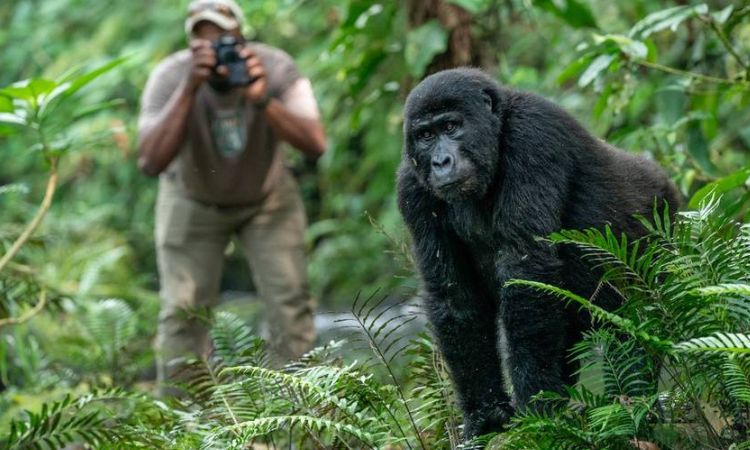
Rwanda is a remarkable wildlife destination, renowned for its rich biodiversity and commitment to conservation. The country's forests and wetlands are home to incredible species such as mountain gorillas, golden monkeys, African elephants, leopards, and the endangered eastern chimpanzees. Rwanda's national parks offer opportunities to spot animals like buffaloes, antelopes, and various primates. The wetlands are alive with bird species, including the shoebill stork, African fish eagle, and over 700 other birds. Lake Kivu and its surrounding areas are teeming with aquatic life, such as tilapia and catfish, adding to the diversity of wildlife. With its varied habitats, from the Virunga Mountains to rolling hills and lush forests, Rwanda provides an exceptional setting for wildlife observation. This 10-day safari allows visitors to engage with nature while learning about local culture and conservation efforts. Each day promises new encounters with wildlife and stunning natural beauty, making for an unforgettable adventure in the heart of Africa.
Tour Highlights
Gorilla trekking in Volcanoes National Park.
Chimpanzee tracking in Nyungwe Forest.
Game drives in Akagera National Park.
Kigali city tour and history.
Scenic boat rides on Lake Kivu.
Golden monkey tracking adventure awaits.
Visit to Kigali Genocide Memorial.
Discover Rwandan culture in villages.
Birdwatching with over 700 species.
Relaxing evenings by the lake.
Wildlife spotting in lush forests.
Cultural experiences and cooking classes.
Exploring local markets and crafts.
Sunset views over Lake Ihema.
Encountering diverse wildlife species daily.
Engaging discussions on conservation efforts.
10 Days Africa Safari in Rwanda Day by Day
Day 1: Arrival in Kigali
Arrive at Kigali International Airport and take a short transfer to your hotel in Kigali, which takes about 30 minutes. After settling in, you can explore Kigali, the vibrant capital city. During your guided city tour, visit the Genocide Memorial, reflecting on Rwanda’s history and resilience. Look out for birds such as the white-necked raven and various species of sunbirds in urban gardens. Enjoy lunch at a local restaurant to savor traditional Rwandan dishes like Ugali and Brochettes. Later, explore local markets, where you might spot art and handicrafts. As the day comes to an end, enjoy a welcome dinner featuring local flavors at your accommodation, while discussing the adventures awaiting you over the next ten days. Rest well to prepare for the journey ahead, as you get ready to experience Rwanda’s extraordinary wildlife.
Day 2: Transfer to Volcanoes National Park
After breakfast, depart for Volcanoes National Park, a journey that lasts approximately 2-3 hours from Kigali. The park is famous for its population of mountain gorillas. Upon arrival, settle into your lodge or campsite. Spend the afternoon exploring the area, where you may encounter wildlife like Sykes monkeys and birds such as the Rwenzori turaco. The park features breathtaking vistas of the Virunga Volcanoes. Prepare your gear for the upcoming gorilla trekking adventure. Enjoy dinner at your lodge and engage with fellow travelers about what to expect. Spend the night in the tranquil atmosphere of Volcanoes National Park, resting for an early start tomorrow. The excitement builds as visions of encountering majestic gorillas await you in the morning.
Day 3: Gorilla Trekking in Volcanoes National Park
Today is dedicated to gorilla trekking in Volcanoes National Park. After an early breakfast, meet your guided group for a briefing on gorilla trekking etiquette and safety. The trek can range from a few hours to a full day of hiking through mountainous terrain. Look out for additional wildlife, including golden monkeys and mountain elephants. The moment you spot a gorilla family, you'll have an hour to observe them in their natural habitat. Capture photos while remaining respectful of their space. After returning to your lodge, share stories about your encounters with fellow travelers. This experience will undoubtedly be the highlight of your safari, enriching your understanding of these endangered animals and their conservation efforts.
Day 4: Golden Monkey Tracking
Following an energetic breakfast, participate in golden monkey tracking in Volcanoes National Park. This smaller, playful primate species offers a unique experience. Your guide will take you through the lush forest trails where golden monkeys inhabit. Keep an eye out for wildlife, such as duikers and various bird species like the olive ibis and great blue turaco. The tracking usually lasts a few hours, and once located, you will observe their fun, energetic behaviors. After lunch at your accommodation, explore the surrounding region or learn more about the local culture. Consider visiting a nearby village to interact with locals and understand their lifestyle. Enjoy dinner at your lodge, reflecting on your day’s adventures and wildlife encounters.
Day 5: Transfer to Lake Kivu
After breakfast, depart for Lake Kivu, which takes about 3-4 hours. This beautiful freshwater lake is surrounded by picturesque hills and is a great place to relax. Upon arrival, check into your lakeside accommodation. Spend the afternoon enjoying various activities, such as boat rides or kayaking. While on the water, you may spot birds, including grey herons and kingfishers, and watch local fishermen at work. Consider taking a stroll along the lakeshore or visiting nearby villages to learn about local fishing practices. As the sun sets over the lake, enjoy dinner at your lodge, savoring fresh fish from the lake and other local dishes. Wind down the evening with tranquil views and the soothing sounds of water.
Day 6: Exploring Lake Kivu
Today is dedicated to exploring Lake Kivu and its surroundings. After breakfast, take a boat trip to the famous islands, where you can appreciate the diverse vegetation and birdlife. Observe aquatic life, such as tilapia swimming below. On one of the islands, you can engage with local communities and learn about their culture and dynamics. Spend the afternoon hiking the scenic hills around the lake, where you might encounter wildlife such as bushbucks and various butterflies. Look for interesting bird species while hiking, including the yellow-billed stork. Return to your lodge for dinner, where fresh, locally sourced ingredients will be served. Enjoy a peaceful evening, reminiscing about the beauty of Lake Kivu and the wildlife experienced throughout the day.
Day 7: Transfer to Akagera National Park
After breakfast, make your way to Akagera National Park, which will take approximately 5-6 hours. This park is distinct for its savannah and wetland ecosystems, contrasting with the mountainous terrain you have experienced so far. Upon arrival, settle into your lodge and prepare for an afternoon game drive. Keep your eyes wide open for wildlife such as African elephants, hippos, and various antelope species, including topis and impalas. Visit the lakes within the park to spot birds like the shoebill stork and the African fish eagle. Enjoy dinner at your lodge, reflecting on the diverse wildlife you have encountered, and relax in the serene atmosphere of Akagera National Park, known for its stunning vistas and varied habitats.
Day 8: Game Drive in Akagera National Park
Begin your day with an early morning game drive in Akagera National Park, targeting a variety of wildlife. Look for lions, zebras, and elephants as you traverse the park's expansive plains. Take the opportunity to observe some of the lesser-seen wildlife, like the elusive leopards and spotted hyenas. The park is rich in birdlife; keep an eye out for colorful species like the vivid experience of the lilac-breasted roller and several types of kingfishers. Return to your lodge for lunch and some relaxation. In the afternoon, take another game drive or participate in a boat safari on Lake Ihema, where hippos and crocodiles can often be spotted lounging by the shore. Conclude your day with dinner and share your wildlife sightings with fellow travelers.
Day 9: Transfer Back to Kigali
Enjoy breakfast at your lodge before departing for Kigali, a journey of about 2-3 hours. Upon arrival, settle into your hotel and take some time to relax. The afternoon offers a chance to visit local markets for souvenirs and handcrafted items. Look for traditional baskets, wooden carvings, and art that reflect Rwandan culture. Consider joining a cooking class to learn how to prepare local dishes, adding a cultural aspect to your wildlife safari experience. Dinner will be served at a local restaurant, allowing you to sample more Rwandan cuisine. Reflect on your wildlife encounters and discuss future travel plans with fellow travelers in the evening.
Day 10: Departure from Rwanda
On your final day, enjoy breakfast at your hotel before preparing for your departure. Depending on your flight schedule, you may have time for last-minute shopping or a short visit to the Kigali Genocide Memorial for a deeper understanding of the country’s history. Transfer to Kigali International Airport for your flight home, which takes approximately 30 minutes from your hotel. As you leave Rwanda, consider the incredible wildlife you encountered, the vibrant culture you experienced, and the warm hospitality you received. Carry these memories with you, cherishing the beauty of Rwanda and the importance of conservation efforts in this remarkable country.
What Does a 10 Days Africa Safari in Rwanda Usually Include?
A 10-day Africa safari in Rwanda typically encompasses a well-rounded variety of wildlife experiences and cultural interactions that highlight the country's natural beauty and conservation efforts. Primarily, the itinerary includes gorilla trekking, a bucket-list activity where visitors track mountain gorillas in their natural habitat, often in Volcanoes National Park. This activity is usually complemented by chimpanzee tracking in Nyungwe Forest National Park, providing a unique opportunity to observe these intelligent primates engaging in their daily activities.
In addition to primate encounters, the safari usually features game drives in Akagera National Park, where visitors can search for the "Big Five": lions, leopards, elephants, buffaloes, and rhinos. Guided tours of Kigali, the capital city, are also included, allowing travelers to learn about Rwanda’s history, culture, and transformation post-genocide.
Activities often extend to boat trips, cultural visits, and hiking, enriching the experience. Meals and accommodations in a range of settings—from budget guesthouses to luxury lodges—are usually part of the package. This comprehensive itinerary is designed for nature lovers and adventure-seekers alike, emphasizing the incredible biodiversity that Rwanda has to offer.
Which National Parks Are Visited on a 10 Days Africa Safari in Rwanda?
A typical 10-day Africa safari in Rwanda covers three key national parks, each offering unique wildlife and environmental experiences. The first destination is Volcanoes National Park, renowned for its population of mountain gorillas. This UNESCO World Heritage site is home to several gorilla families and provides opportunities for trekking, making it a highlight for many visitors.
Next, Nyungwe Forest National Park is another essential stop on this safari, particularly famous for its primate population, including chimpanzees and several species of monkeys. Its lush rainforest is also a birdwatcher’s paradise, with hundreds of bird species found within its boundaries. Activities like canopy walks and guided hikes through the forest allow visitors to connect deeply with Rwanda’s flora and fauna.
Finally, Akagera National Park is included in the itinerary, offering a contrasting environment of savannah, wetlands, and lakes. Here, travelers can embark on game drives to see varied wildlife, including the "Big Five." The park has remarkable biodiversity, making it an excellent location for both animal spotting and bird observation.
By covering these three distinct parks, the safari provides a wide-ranging insight into Rwanda's wildlife and natural settings, each contributing to an unforgettable adventure.
Is Gorilla Trekking Guaranteed on a 10 Days Africa Safari in Rwanda?
Yes, gorilla trekking is a guaranteed highlight of a 10-day Africa safari in Rwanda. When you arrange a safari that includes this activity, permits for trekking are typically pre-booked to ensure availability. Gorilla trekking allows visitors to encounter mountain gorillas in their natural environment, offering a unique and intimate opportunity to observe these magnificent creatures.
The process begins with a briefing by park rangers, outlining the rules and behaviors expected during the trek to ensure both safety and conservation of the gorillas. Participants are then divided into small groups, enhancing the experience by providing a more personal connection with the animals. Depending on the location of the gorilla families, the hikes can vary in difficulty and duration, requiring physical fitness but offering exciting rewards.
Gorilla interactions are governed by strict guidelines to minimize human impact on their habitat. After tracking, visitors typically have an hour to observe and photograph the gorillas. This moment is often transformative, leaving travelers with lasting memories and a deeper appreciation for conservation efforts.
In many cases, guided trekking can be arranged for a second visit, allowing for more encounters with different gorilla families. This inclusivity makes gorilla trekking one of the most sought-after activities in Rwanda, ensuring participants leave with remarkable wildlife experiences that they can carry with them for a lifetime.
Can I See the "Big Five" on a 10 Days Africa Safari in Rwanda?
Yes, a 10-day Africa safari in Rwanda offers the opportunity to see the "Big Five"—lions, leopards, elephants, buffaloes, and rhinos—primarily within Akagera National Park. While Rwanda is not traditionally known for the Big Five compared to other African countries, Akagera has made significant strides in wildlife conservation, which has led to the reintroduction of these iconic species.
In Akagera, visitors can embark on morning or evening game drives, where they can search for lions, which are often found lounging in the shade or roaming the savannah in the cooler hours. Additionally, leopards are elusive but can sometimes be spotted high in the trees or stealthily moving through the undergrowth.
African elephants are more abundant, often seen in herds near water sources. Buffaloes also roam the park in large groups, adding to the wildlife spectacle. Rhinos, specifically the white rhino, can now be found in Akagera due to recent conservation efforts, providing an incredible chance to observe this endangered species.
While tracking the Big Five, visitors may also encounter a variety of other wildlife, including zebras, giraffes, and numerous antelope species. Birdwatching is another highlight, as Akagera is home to over 400 species. This diverse range of wildlife makes the safari not only exciting but also educational, providing valuable insights into the importance of conservation efforts within the park.
Is a 10 Days Africa Safari in Rwanda Suitable for Families?
A 10-day Africa safari in Rwanda can be suitable for families, though it is generally better suited for those with teenagers due to the physical requirements associated with activities like trekking. Many family-friendly accommodations are available, and tour operators often offer packages tailored for families, ensuring everyone has a memorable time.
The safari includes a mix of adventure and relaxation, appealing to all ages. Gorilla and chimpanzee trekking can be particularly exciting for older children, as these activities encourage curiosity about wildlife and the environment. However, gorilla trekking requires participants to be at least 15 years old, making it essential to consider your children’s ages when planning.
In addition to primate tracking, families can enjoy game drives in Akagera National Park and boat trips on Lake Kivu. Educational discussions about wildlife conservation and cultural interactions with local communities can enhance the experience, offering valuable learning moments for younger travelers.
When planning, ensure you pack appropriately for different activities and weather conditions. Engaging family members in choosing specific activities can also foster anticipation and excitement. Overall, with thoughtful planning and a focus on accommodating each family member's needs, a safari in Rwanda can be a rewarding and enriching experience for the entire family.
What Is the Best Time for a 10 Days Africa Safari in Rwanda?
The best time for a 10-day Africa safari in Rwanda is during the dry seasons, which typically run from June to September and December to February. These periods provide the most favorable conditions for trekking and wildlife viewing, as the weather is generally mild and rainfall is minimal.
During the dry months, the chances of encountering wildlife, including both mountain gorillas and chimpanzees, increase. The trails to gorilla habitats are more accessible, allowing for easier trekking through the rugged terrain of Volcanoes National Park and Nyungwe Forest. In addition, animals are more likely to congregate around water sources, making them easier to spot during game drives in Akagera National Park.
These months also coincide with less crowded parks, especially if you visit during the shoulder seasons, creating a more intimate experience with nature. The scenery during this time is often highlighted by vibrant greenery from recent rains earlier in the year, making it visually appealing.
Conversely, the rainy seasons (March to May and October to November) can present challenges. Trails may become muddy and more difficult to navigate, and wildlife may be less visible as animals seek shelter. For these reasons, planning your safari during the dry seasons generally results in a more enjoyable and fruitful adventure, maximizing your opportunities to appreciate Rwanda's remarkable wildlife.
What Should I Pack for a 10 Days Africa Safari in Rwanda?
Packing wisely for a 10-day Africa safari in Rwanda is crucial for comfort and practicality. Focus on lightweight, breathable clothing suitable for varying weather conditions. Neutral-colored clothing is recommended to blend in with the natural habitat and minimize disturbance to wildlife. Long-sleeved shirts and long pants are ideal for providing protection against sunburn and insect bites.
Sturdy hiking boots are essential for trekking activities, especially during gorilla and chimpanzee tracking, where you may encounter steep and muddy trails. Additionally, pack a pair of comfortable shoes for relaxing at lodges and during city tours.
Include a lightweight rain jacket or poncho, as sudden rain showers can occur, even in dry seasons. A wide-brimmed hat and sunglasses are also advisable to shield yourself from the sun.
Essentials such as a reusable water bottle, sunscreen, insect repellent, and a small first-aid kit should also be part of your gear. Binoculars and a camera are invaluable for wildlife observation and photography. Don't forget to bring any necessary medications, along with travel documents like your visa and identification.
By preparing adequately, you can ensure that your safari is not only enjoyable but also allows you to focus on the exciting wildlife encounters awaiting you in Rwanda.
Is a 10 Days Africa Safari in Rwanda Safe?
Yes, a 10-day Africa safari in Rwanda is generally safe and stable for tourists. The country is known for its commitment to safety and security, making it an attractive destination for travelers. Rwanda’s government has implemented various measures to ensure the wellbeing of visitors, especially in tourist hotspots and national parks.
Kigali, the capital city, is often praised for its cleanliness and organization, contributing to a sense of safety for tourists exploring the urban areas. Most attractions, including national parks and cultural sites, are well-monitored. Guided tours are standard practice, allowing visitors to navigate the country with knowledgeable escorts who understand local dynamics.
While Rwanda is safe overall, it is advisable to exercise normal travel precautions, such as avoiding walking alone at night and remaining vigilant in crowded places. Additionally, being cautious in border areas or less populated regions is wise, as conditions can change.
Travel insurance is also recommended to cover unexpected situations. With sensible precautions and a focus on respect for local customs and practices, tourists can enjoy an enriching and secure experience during their safari in Rwanda.
Do I Need a Visa for a 10 Days Africa Safari in Rwanda?
Visa requirements for a 10-day Africa safari in Rwanda depend on your nationality. Many nationalities can either enter Rwanda visa-free or obtain a visa-on-arrival. However, it is crucial to check the current visa policies well in advance of your travel dates to ensure a smooth entry.
For those who require a visa, applying for an electronic visa through the Rwanda Directorate General of Immigration and Emigration is a convenient option. This online process allows you to submit applications ahead of time and receive your visa approval before arriving.
Some regional tourist packages, such as the East African Tourist Visa, enable travelers to visit multiple countries, including Rwanda, Uganda, and Kenya. This visa can also be obtained online, simplifying your travel plans.
Regardless of visa requirements, ensure that your passport is valid for at least six months beyond your planned stay in Rwanda. Additionally, having a printout of your visa confirmation and travel documentation can be helpful when passing through immigration control.
Checking these details before your trip can help facilitate a hassle-free entry into Rwanda, allowing you to focus on the incredible wildlife and experiences waiting for you during your safari.
How Challenging Is the Chimpanzee Trekking on a 10 Days Africa Safari in Rwanda?
Chimpanzee trekking in Rwanda can be moderately challenging, depending on the specific trek taken and the individual's physical fitness. The activity primarily occurs in Nyungwe Forest National Park, which is known for its steep, hilly terrain and dense rainforest. Participants should be prepared to navigate through uneven ground, roots, and muddy paths, particularly during the rainy season.
While the trek can be demanding, it is generally manageable for those in moderate physical shape. Educated guides accompany trekkers, offering support and ensuring that visitors understand the required pace. The trek itself usually lasts anywhere from 2 to 4 hours, depending on the location of the chimpanzee groups.
In addition to the physical aspects, trekkers often find the experience rewarding as they observe the behavior of chimpanzees in their natural habitat. The emotional connection made while watching these intelligent animals interact adds depth to the effort expended.
Booking 10 Days Africa Safari in Rwanda with us Roads of Adventure safaris
Experience the ultimate 10-day Rwanda safari with Roads of Adventure Safaris. This adventure features exhilarating mountain gorilla tracking in Volcanoes National Park, chimpanzee trekking in Nyungwe Forest, and wildlife game drives in Akagera National Park. Explore Rwanda's rich cultural heritage, including the Iby'Iwacu Village, and enjoy stunning scenery. Our professional guides ensure a personalized, memorable, and seamless journey through the Land of a Thousand Hills, providing top-notch accommodation ranging from luxury to mid-range. Book now to secure your spot for this unforgettable African safari experience.
