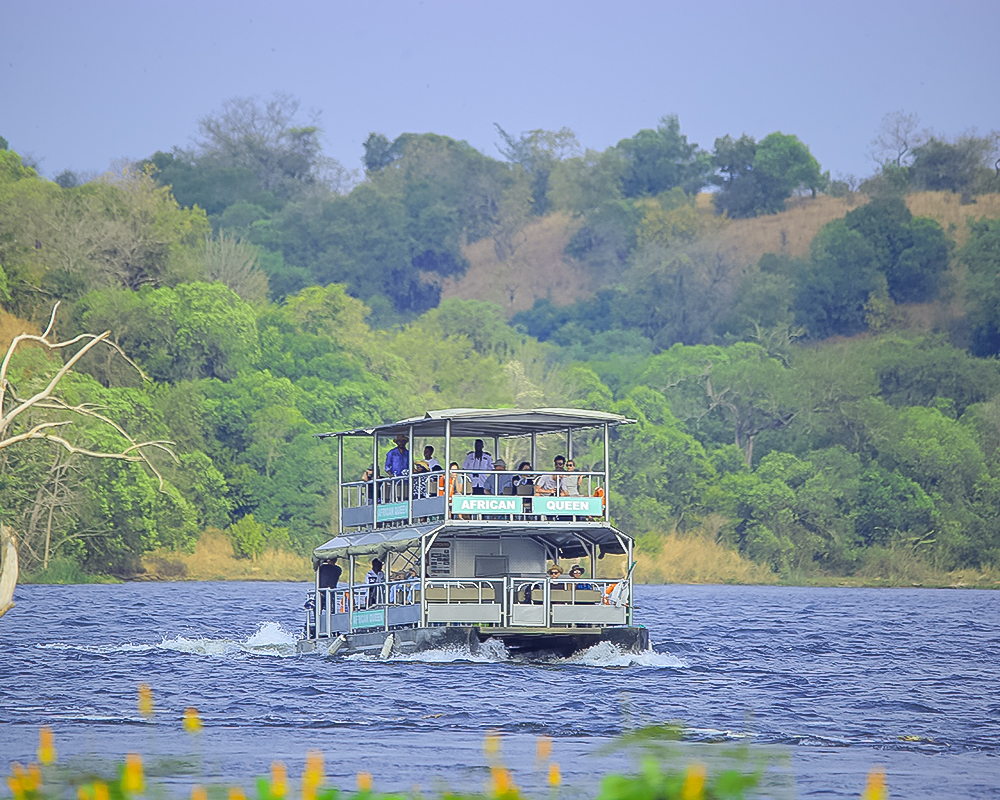
Visiting Murchison Falls National Park is a thrilling experience, but common pitfalls can easily disrupt your adventure. The top ten mistakes include wearing blue or black clothes, using standard saloon cars, underestimating the park's size, and skipping essential health precautions like antimalarials.
Popular Uganda safari tour packages to Murchison falls national park
3-days-murchison-falls-national-park-best-uganda-safari-road-trip
3-days-best-honeymoon-uganda-safari-escape-to-murchison-falls-national-park
5-day-best-safaris-to-uganda-kidepo-and-murchison-falls-national-parks
5-days-kidepo-valley-uganda-safari-via-ziwa-rhino-sanctuary
6-days-best-of-murchison-and-kidepo-uganda-safari-via-ziwa
7-days-murchison-falls-uganda-safari-trip-via-ziwa-rhinos-kidepo-valley-and-jinja
7-days-uganda-tour-to-murchison-falls-via-ziwa-kibale-and-queen-elizabeth-national-park
9-days-africa-big-five-safari-in-uganda-safari-parks-and-gorilla-trekking
1. Wearing Blue or Black Clothing (Uganda wildlife safari)
These specific colors are known to attract tsetse flies, which can deliver a very painful bite. On a Uganda wildlife safari, that means you’ll spend more time swatting insects instead of focusing on wildlife, and you’ll also increase the chance of getting bitten repeatedly throughout the day. While you can’t control everything in nature, you can control what you wear, especially during game drives when you’re exposed and moving through grassland areas where flies are active. In addition, camouflage patterns are strictly prohibited in Uganda because they are reserved for the military. So even if you like the look of camo clothing, it’s safer (and easier to avoid trouble) to choose something else.
Solution: Opt for neutral, earthy tones like beige, tan, olive, and brown. These colors blend better with the natural landscape and reduce your visibility to insects and animals. Stick to breathable safari shirts, long-sleeved tops, and trousers/leggings in earth shades rather than bright colors or dark outfits. If you want to pack black for evening wear, consider keeping it for lodge time only and avoid wearing it during dawn and game-drive hours. You can also choose fabrics that cover your skin to reduce bites even when flies are around. Pair your outfit with a cap or hat and closed-toe shoes for comfort and protection while walking around lodges.
For a smoother Uganda wildlife safari, dress like a “nature blend” traveler: practical, covered, and in warm earth tones.
2. Renting a Standard Saloon Car (Uganda wildlife safari)
A common mistake on a Uganda wildlife safari is renting the wrong type of vehicle. The roads leading into and around Murchison Falls National Park are unpaved and can turn rough quickly—dirt, dust, and mud vary depending on the season. In the rainy period, tracks can become deep and slippery, while in the dry season, dust can be thick and visibility may drop. If you try to drive into these conditions with a small 2-wheel-drive saloon car, you risk getting stuck, damaging the car, or losing valuable time on important activities like early morning game drives or guided excursions.
Getting stuck isn’t only inconvenient—it can also affect your safety and your schedule. When you’re on safari, every hour counts. Delays can mean fewer sightings, shorter viewing windows, or missing a planned route between lodge and park sectors. That’s why the vehicle choice should match the environment, not just your comfort on paved roads.
Solution: Rent a capable 4WD vehicle, ideally one built for safari terrain and with reliable clearance. If available, choose a vehicle with a pop-up roof. That upgrade improves your ability to see animals clearly above the dust line, take better photos, and spot wildlife earlier—especially from a distance. Even if you hire a driver, having the correct vehicle still matters because the guide needs reliable mobility.
If you’re planning a Uganda wildlife safari, treat “vehicle readiness” as part of your safari planning, not an afterthought. The right 4WD helps you enjoy the journey and maximize sightings without constant worry.
3. Underestimating the Size of the Park (Uganda wildlife safari)
Many travelers underestimate the size of Murchison Falls National Park, and that can quietly ruin a Uganda wildlife safari experience. The park is Uganda’s largest national park, meaning travel times between areas are longer than most people expect. For example, driving from the southern gates (such as Kichumbanyobo) to the northern sector (Paraa) takes multiple hours. If you assume it’s “just a short drive,” you may arrive late for morning viewing, miss the best lighting for wildlife photography, or spend more time traveling than actually watching animals.
This mistake is especially common when travelers plan a lodge without fully mapping the day’s activities. Some lodges are positioned closer to certain highlights (like river cruise access or specific safari zones), while others require more driving to reach the most active areas. Morning game drives are often when wildlife is most visible—animals move actively after the night, and temperatures are cooler for both animals and visitors. Missing that window can reduce the chances of seeing key sightings.
Solution: Carefully check where your lodge is located relative to activities you want to do, such as morning game drives and the Delta boat cruise. Then plan your wake-up times accordingly. Build in buffer time for road conditions, especially during wet or dusty seasons.
Before your trip, confirm travel routes and approximate departure times with your lodge or guide. On safari, the schedule should protect your mornings, not squeeze them.
With proper timing, your Uganda wildlife safari becomes about quality wildlife time—not rushing between sectors.
4. Forgetting Anti-Malarial Medications and Repellent (Uganda wildlife safari)
Malaria prevention is one of the most important safety topics for an Uganda wildlife safari. The park sits in a tropical, high-risk malaria zone, so failing to take preventative medication or skipping insect repellent can leave you vulnerable at the exact time you’re most focused on game viewing. Mosquito bites can happen around lodges, near water, and especially around dawn and dusk when insects are active. If you don’t cover your skin and don’t use proper protection, you increase the chances of mosquito exposure throughout your trip.
Another issue is relying on “I’ll be fine” thinking. Safari trips include long days outside, and it’s easy to forget a dose of medication or assume that repellent alone is enough. But malaria prevention typically requires planned action—what you take before travel, what you take during travel, and what you apply consistently while outdoors.
Solution: Consult your doctor before your trip to confirm the best anti-malarial preventative plan for your body and health history. Pack DEET-based repellent (as recommended), and wear long-sleeved clothing during dawn and dusk. Choose breathable fabrics that cover your arms and legs comfortably so you’ll actually stick to the routine. Consider using treated clothing or an additional insect-control product if your doctor or travel clinic advises it.
Also, keep your schedule organized—set reminders for medication times so you don’t miss doses on travel days. Your health should be part of your safari itinerary.
A protected Uganda wildlife safari means you can enjoy every activity without worrying that one bite could derail your entire trip.
5. Skipping Professional Guide Services (Uganda wildlife safari)
While self-drive safaris can be possible in some places, skipping professional guide services is a frequent mistake that reduces the quality of your Uganda wildlife safari. Even if you can follow roads, wildlife spotting is more than “driving and hoping.” Guides help you see what you might miss—hidden animals behind trees, subtle movement in bushes, tracks in the dirt, and behavioral patterns that are not obvious to untrained eyes. Many animals don’t stand still in the open; they rely on camouflage, terrain, and timing. A skilled guide knows where and when to look.
Guides also improve safety. They understand how to position the vehicle, how to manage distances, and when the situation is not suitable for viewing. That matters for both your comfort and for respecting wildlife. In addition, a professional driver or tour operator can help you avoid route mistakes, reduce downtime, and keep your schedule aligned with the best safari windows.
Solution: Hire an experienced Uganda Wildlife Authority guide or a professional tour operator driver. Their expertise often increases sightings and makes your time in the park more meaningful because they explain what you’re seeing—why animals behave a certain way, what to look for next, and how the ecosystem works.
If budget is a concern, ask about guide options for specific activities (like game drives) instead of hiring for every single moment. But don’t skip the guiding altogether if you want the best Uganda wildlife safari experience.
For many travelers, the guide is the difference between “I saw animals” and “I understood the safari.”
6. Ignoring Park Rules and Wildlife Etiquette (Uganda wildlife safari)
Ignoring Park rules and wildlife etiquette is one of the fastest ways to turn a Uganda wildlife safari into a stressful and risky experience. Getting too close to animals can lead to unpredictable reactions. Even calm-looking wildlife may become defensive if it feels threatened, and that can endanger both you and the animals. Stepping out of the vehicle during game drives without permission is another serious issue—animals can move quickly, and the safest viewing conditions depend on staying where you’re allowed.
Playing loud music is also harmful. It disrupts the natural environment and can affect animal behavior, especially around feeding, resting, or mating areas. Wildlife viewing isn’t a performance; it’s an opportunity to observe animals respectfully from safe distances. When visitors ignore rules, it can also create problems for guides who have to manage the situation and maintain compliance with park regulations.
Solution: Always remain inside your vehicle unless your guide gives specific permission to step out. Never feed animals, never try to “approach for a better photo,” and avoid sudden movements that can alarm wildlife. If you want to photograph, follow your guide’s instructions for positioning and distance. Also keep noise low—talk softly and let the guide lead the interaction.
A respected Uganda wildlife safari protects wildlife, keeps you safe, and improves overall viewing quality because guides can maintain smooth, rule-based positioning.
In short: enjoy the moment, but follow the rules—your safari is about wildlife, not interference.
7. Overlooking Proper Camera Preparation (Uganda wildlife safari)
A beautiful Uganda wildlife safari can be ruined by simple camera mistakes—dead batteries, no empty memory cards, or lenses that don’t work well for wildlife viewing distances. Safari animals are often seen from far away, and you may not always have a chance to reposition for the shot. If your camera can’t zoom enough, or if your battery dies right when an animal appears, you lose the most important opportunities of the day.
Many travelers also forget that dust is everywhere. Fine particles can affect lenses and keep cameras from working properly if you don’t protect them. Weather changes too—humidity and sudden light shifts can challenge autofocus and exposure settings.
Solution: Bring spare batteries, a portable charger/power bank, and a suitable zoom lens such as a 70–300mm (or similar range). A zoom lens lets you capture elephants, lions, giraffes, and other wildlife without getting closer or disturbing them. Keep memory cards organized—swap them before you run out so you’re never stuck when the action starts.
Also, consider packing simple protective items: a lens cloth, camera cover, and a small bag to shield your gear when dusty winds rise or when you exit the vehicle briefly. If you’re using a phone camera, carry enough storage and backup power too, since long drives drain devices quickly.
When your Uganda wildlife safari camera is ready, you can focus on the sightings instead of troubleshooting your gear.
8. Packing Too Much (Uganda wildlife safari)
Packing too much is a practical mistake that can seriously reduce comfort during an Uganda wildlife safari. Murchison Falls experiences involve moving between lodges, traveling within the park regions, and sometimes transferring to domestic charter flights. Heavy or oversized luggage becomes a burden—hard to carry, difficult to manage in vehicles, and inconvenient when you need quick access to daily essentials. If you overpack, you may also end up with items you never use, while the important things (water, repellent, layers, basic medicine) are harder to find.
Overpacking can also lead to stress. When your bag is heavy, you rush more, lose patience, and spend energy on logistics instead of wildlife viewing and relaxation. On remote routes, you might not have ideal space to unpack frequently, so everything must be travel-friendly.
Solution: Pack light and focus on versatile, breathable layers. Choose clothing that can be worn in different conditions—early morning cool air, warmer midday sun, and evening insect-active periods. Use a system: keep a compact day bag for your essentials and store extra items in your main luggage.
Think about what you truly need for each day: safari clothes, a light jacket or long-sleeve layer, a hat, sunscreen, repellent, basic toiletries, and any medication. For cameras and electronics, bring only what you’ll use and keep them organized.
An easier Uganda wildlife safari starts with smart packing. You’ll move faster, feel more comfortable during transfers, and enjoy your schedule without luggage problems.
9. Drinking Tap Water (Uganda wildlife safari)
Drinking tap water is a common mistake that can lead to waterborne illness and quickly damage the enjoyment of your Uganda wildlife safari. In remote safari areas, tap water may not be reliably safe to drink, and even ice could be risky if it was made from unsafe water. When travelers are excited about wildlife and forget hydration rules, they may accidentally drink unsafe water through the wrong source—tap water, unsealed beverages, or drinks with unboiled ice.
Illness doesn’t just cause discomfort—it can limit your ability to enjoy activities, keep you close to the lodge, and affect your energy for game drives. It’s also stressful because you’re far from easy medical support. Prevention is much easier than recovery mid-trip.
Solution: Only drink sealed, bottled water during your Uganda wildlife safari. If you buy water at lodges or shops, ensure the seal is intact. Avoid asking for ice in drinks unless you’re 100% sure it comes from safe, treated water. Be careful with any beverage where you can’t confirm the water source.
For brushing teeth, many travelers prefer using bottled water as well—especially on longer trips in remote regions. Also, keep water with you during game drives so you stay hydrated without taking risky shortcuts.
A safe drinking routine protects your health and ensures your Uganda wildlife safari stays focused on wildlife and adventure—not stomach problems.
10. Not Pre-Booking Accommodations (Uganda wildlife safari)
Not pre-booking accommodations can cause major disappointment on an Uganda wildlife safari. Lodges can fill up quickly, especially during peak seasons like the dry season when wildlife viewing is excellent and travel demand is high. If you show up last minute, you may be offered options that are less ideal—farther from the activities you want, in less convenient locations, or in short supply with fewer room categories available.
Another issue is that lodge location matters. Some lodges are closer to key access points and activities (such as morning game drives or cruise departure points), while others require more driving time. If you don’t book early, you might end up with a location that forces you to wake up earlier, travel longer, and miss the best viewing windows.
Solution: Pre-book your stay well in advance. When choosing your lodge, confirm what’s included and how logistics will work—transfer times, activity schedules, and how early morning pickup operates. Also, align your lodge location with your planned activities so your daily route is efficient and enjoyable.
If you have flexibility, ask your lodge or operator for recommendations based on your interests (Delta boat cruise, morning game drives, or specific wildlife viewing priorities). Planning ahead reduces stress and ensures you can focus on experiences instead of searching for rooms during your Uganda wildlife safari.
In the end, pre-booking helps you secure the best options, better positioning, and smoother safari timing—making your trip more rewarding from day one.
10 Things to do to do for a successful Uganda wildlife safari
1. Plan Your Route and Timing for the Best Uganda wildlife safari
A successful Uganda wildlife safari starts long before you enter the park—especially with planning your route and timing. Many travelers lose prime game-viewing opportunities because they underestimate travel times, especially around Murchison Falls and other large wildlife areas. Game drives often have ideal conditions early in the morning and later in the afternoon, when animals are more active and temperatures are cooler. If you schedule your lodge too far from the activities, you may wake up late, arrive after the best sightings, or feel rushed throughout the day. For an Uganda wildlife safari, timing is not just a convenience issue—it directly affects the quality of what you see.
Start by listing every activity you want, such as morning game drives, community visits, top viewpoints, and boat cruises (where applicable). Then check where each activity starts, how long transfers take, and how early the pickup needs to be. Confirm with your lodge or tour operator the exact pickup times and the likely driving conditions. If you’re traveling during rainy or peak seasons, add extra buffer time because routes can be slower due to mud, ruts, or dust.
Also plan rest strategically. Safari days can be physically tiring, so you should avoid over-stuffing your itinerary with too many back-to-back drives. A good plan includes meals, hydration breaks, and time to recharge so you stay alert during sightings. Finally, keep flexibility. Wildlife doesn’t follow schedules. If your guide adjusts the route based on sightings, being overly rigid can cost you great moments.
When your Uganda wildlife safari itinerary is well-timed, you spend more hours watching wildlife and less time rushing between points.
2. Choose the Right Lodge Location for Your Uganda wildlife safari
Selecting the right lodge is one of the most underrated steps for a successful Uganda wildlife safari. The lodge location affects everything: how quickly you reach the park zones, how early you can depart for morning drives, how convenient meals and rest are, and even how often you experience certain habitats. For example, some lodges are better positioned for early morning game drives, while others offer easier access to river areas or particular viewpoints. If you choose a lodge without considering where your activities happen, your itinerary becomes inefficient. You may end up spending too much time in transit—reducing the overall number of game-viewing hours during your Uganda wildlife safari.
Start by identifying your top experiences. Are you focused on predator sightings? Are you excited about river cruises? Do you want easy access to specific park sectors? Once you know your priorities, ask your lodge (or tour operator) clear questions about transfers and pickup times. For a Uganda wildlife safari, confirm whether you’ll have early morning pickups and how long the drive usually takes in different seasons.
Also consider the lodge’s practical comfort. Some remote areas require sturdy facilities and reliable power, hot water, and safe water practices. If your lodge is in a remote location, you’ll rely more on the lodge’s organization for daily logistics. Check whether staff help with packed lunches, early breakfasts, and preparation for drives.
Don’t forget about the atmosphere. A lodge with comfortable communal areas, good dining, and a smooth staff schedule improves your recovery after long drives—helping you stay focused for the next day. Finally, confirm policies such as what’s included in the price (guides, park fees, transfers, drinks).
Choosing the right lodge location helps your Uganda wildlife safari feel smooth, efficient, and exciting—because you’re spending your time where wildlife is.
3. Wear Proper Clothing That Supports a Successful Uganda wildlife safari
Clothing plays a bigger role in safari success than many travelers realize. On an Uganda wildlife safari, what you wear affects your comfort, insect protection, and overall ability to enjoy long outdoor hours. The environment in many parks can be dusty and hot during the day, cooler early in the morning, and mosquito-active at dusk. Your outfit should help you adapt to all of those changes without becoming uncomfortable.
First, choose colors wisely. Avoid highly bright shades and very dark colors when possible, since certain insects may be attracted to them. Opt for neutral, earthy tones such as beige, tan, olive, brown, or khaki. These colors blend naturally with the landscape and tend to be practical for safari conditions. Also, avoid camouflage patterns, because in Uganda camo clothing is generally reserved for military use and can create unnecessary issues.
Second, focus on coverage. Wear long sleeves and long trousers during early morning and late afternoon to reduce insect bites. Breathable fabrics—like cotton blends or lightweight safari wear—help you stay cool even when you’re covered. For daytime, you may roll sleeves or use lighter layers, but keep your skin protected whenever mosquitoes are active.
Third, prepare for dust. Choose clothing that won’t be destroyed by dust and that feels comfortable in vehicles where there may be dirt and dry air. A hat, sunglasses, and closed-toe shoes protect you from sun, debris, and rough ground.
Finally, build your outfits around layers. A light jacket or fleece for mornings and evenings is useful for a Uganda wildlife safari, especially in cooler seasons or highland areas.
When you wear the right clothes, you stay comfortable, protected, and ready for every sighting—making your Uganda wildlife safari more enjoyable from start to finish.
4. Use a Reliable Vehicle and Put Safety First on Your Uganda wildlife safari
A successful Uganda wildlife safari depends heavily on logistics, and one of the biggest logistics decisions is the vehicle. In many safari areas, roads can be unpaved, uneven, and challenging depending on the season. During rainy periods, routes may become muddy and slippery; during dry periods, they can be dusty and visibility can drop. If you travel with an inappropriate vehicle—such as a small 2-wheel-drive car—you risk getting stuck, damaging the vehicle, or losing valuable time that should be spent on game drives.
To ensure a smooth Uganda wildlife safari, choose a vehicle suited to safari terrain, ideally a capable 4WD. Confirm that the vehicle is in good mechanical condition and that it has enough ground clearance for dirt tracks and seasonal mud. If possible, select a safari vehicle designed for wildlife viewing, such as one with a pop-up roof. This improves your sightlines during game drives, helps you photograph animals from a safe distance, and allows everyone to see better even when animals are in taller grass.
Safety also includes driving behavior. Your driver or guide should know when to slow down, where to stop for viewing, and how to avoid risky maneuvers. Ask your operator about who will drive—an experienced local driver increases both safety and sighting success.
Additionally, prepare for comfort and hydration. Dust can get into vents; wear sunglasses and keep water accessible. Seatbelts and following guide instructions reduce risk.
Finally, remember that safety on a Uganda wildlife safari also includes wildlife etiquette. Always remain inside the vehicle unless instructed, keep a respectful distance, and avoid sudden actions.
A reliable vehicle and strong safety habits give you peace of mind, so you can focus on the real purpose of your Uganda wildlife safari: wildlife viewing.
5. Hire a Skilled Guide for Better Sightings on Your Uganda wildlife safari
One of the most effective ways to ensure a successful Uganda wildlife safari is hiring a skilled guide or using a trusted tour operator. Many travelers think the main challenge is finding animals, but the real challenge is spotting them in the first place. Wildlife can hide in thick vegetation, move silently, or appear briefly before disappearing. A trained guide understands animal behavior, knows how to read the environment, and can locate sightings based on tracks, patterns, and local knowledge.
When you travel with an expert, your Uganda wildlife safari becomes more than “seeing animals”—it becomes understanding them. Guides can explain why animals gather near certain areas, how predator hunting patterns work, and what to look for in behavior like tail flicking, ear movement, or herd positioning. This helps you notice wildlife even when it isn’t directly in your line of sight.
Guides also improve safety. They know the boundaries for safe viewing distances and how to position the vehicle for the best perspective without disturbing animals. They also understand the park rules, which prevents mistakes like stepping too close or violating viewing etiquette.
To choose the right guide, look for experience and professionalism. Ask how the guide tracks wildlife, what time they recommend for game drives, and how they handle situations when sightings are not immediate. A good guide communicates clearly and manages expectations without rushing you.
Even if you plan some self-drive segments, consider hiring a guide for at least the main game drives. The guide can increase your sighting frequency and reduce wasted time searching randomly.
For many travelers, the guide is what transforms an Uganda wildlife safari from a simple trip into a memorable wildlife experience filled with deeper learning and better chances to see rare moments.
6. Prepare for Malaria and Insects to Protect Your Uganda wildlife safari
Health preparation is essential for a successful Uganda wildlife safari. In many areas of Uganda, malaria risk is high, and insect bites are common. Many travelers ruin their safari experience by ignoring prevention, forgetting medication schedules, or skipping proper repellent. If you fall sick during the trip, it can limit your energy, reduce the ability to travel, and disrupt planned activities. Preventing illness is one of the smartest investments you can make before and during your Uganda wildlife safari.
Start by consulting a doctor or travel clinic before your trip. Ask about anti-malarial preventative medication appropriate for your destination, your medical history, and your duration of travel. Follow the prescribed schedule exactly, including any “before travel” doses. If you have allergies or prior medication reactions, tell your doctor so they can adjust your plan.
Next, pack insect repellent—preferably a DEET-based repellent if recommended by your healthcare provider. Apply it consistently, especially during dawn and dusk when mosquitoes are most active. Wear long sleeves and long trousers during those times. During daytime, you may lighten your clothing if you’re comfortable, but avoid leaving skin exposed when mosquitoes are active.
Consider also bringing basic protective items such as a hat, sunscreen, and lightweight long-sleeved layers. Keep your medications in a place where you won’t forget them, such as a travel pouch you use daily. Set alarms or reminders on your phone for medication times.
Hydration matters too. Drink safe water only (usually sealed bottled water) and avoid unsafe ice or tap water. This supports your immune system and reduces stomach issues that can make your Uganda wildlife safari uncomfortable.
By protecting yourself from malaria and insects, you keep your energy high, your travel plans intact, and your Uganda wildlife safari enjoyable from morning to night.
7. Follow Park Rules and Wildlife Etiquette for a Better Uganda wildlife safari
A successful Uganda wildlife safari depends not only on what you want to see, but how you behave while you’re there. Wildlife viewing etiquette is essential for safety, animal welfare, and your overall experience. When visitors ignore park rules—such as getting too close, stepping out of the vehicle without permission, or making loud noises—the situation can become dangerous and stressful for everyone involved. It can also ruin sightings for other visitors and disrupt wildlife behavior.
To ensure you have a great Uganda wildlife safari, follow your guide’s instructions closely. In most cases, you should remain inside the vehicle during game drives unless the guide gives clear permission to step out. Animals can react suddenly even if they appear calm. Getting out or approaching can trigger defensive behavior, especially for predators or animals with young nearby.
Never feed animals. Feeding changes natural behavior and can increase conflict between wildlife and humans. Feeding is also a common cause of animals coming too close to people, which can increase risk long-term.
Avoid loud music or shouting. Keep the volume low and talk quietly. Wildlife is guided by sound, movement, and scent—disruptive behavior can cause animals to move away or stop feeding.
Also practice respectful photography habits. Use zoom lenses or safe viewing positions rather than leaning forward or trying to get closer for better shots. Keep hands, heads, and cameras inside the vehicle boundaries.
Finally, be patient. Wildlife sightings often require time. If you rush or act impatiently, you can lose your chance to observe natural behavior.
When you follow park rules and wildlife etiquette, your Uganda wildlife safari becomes safer, more enjoyable, and more responsible. You’re not just a visitor—your part of protecting the experience for future travelers.
8. Bring the Right Camera and Power Setup for Your Uganda wildlife safari
A camera-prep mistake can cost you the best moment of your Uganda wildlife safari. Many travelers arrive with dead batteries, no empty memory cards, or lenses that aren’t suitable for capturing animals from a safe distance. Safari photography is about timing and reach. Animals often appear quickly and then move away into vegetation, so you need reliable equipment ready immediately.
Start with power. Bring spare batteries and consider carrying a portable charger or power bank. Long game drives can drain batteries faster due to cold mornings (which reduce battery performance) and frequent use of autofocus and zoom. Keep spare batteries protected from dust and moisture.
Next, manage memory cards. Bring enough cards or storage capacity for days of photographing. Many travelers forget that bursts, videos, and high-resolution photos multiply file sizes quickly. A good habit is to check storage capacity each evening and swap cards before you run out.
Choose the right lens. A zoom lens such as 70–300mm (or similar) helps you photograph wildlife without approaching dangerously. Zooming also improves composition by allowing you to frame animals even when they’re far away. If you also want wider shots, add a secondary lens, but prioritize reach for wildlife.
Protect your equipment from dust. Safari environments can be extremely dusty, and dust can scratch lenses or get into camera parts. Use lens caps and keep your camera covered when you’re not actively shooting. A lens cloth and small cleaning tool are helpful.
Plan your settings. Learn basic safari-friendly adjustments before the trip—fast shutter speed for moving animals, and proper autofocus settings for unpredictable motion.
When your camera and power are properly prepared, your Uganda wildlife safari becomes easier and more rewarding because you can focus fully on the wildlife rather than troubleshooting gear.
9. Pack Smart and Travel Light for a Smooth Uganda wildlife safari
Packing too much is one of the most common reasons travelers feel stressed during an Uganda wildlife safari. Remote lodges, charter flights, and frequent transfers require luggage that’s easy to manage and quick to access. Heavy bags slow you down and make daily routines harder—especially when you’re carrying camera gear, water, and essentials to game drives. The goal is to pack only what you need so you stay comfortable and organized.
Start by packing in layers rather than packing more items. A successful Uganda wildlife safari usually includes cool early mornings, warm midday sun, and cooler evenings. Bring breathable safari clothing that can be mixed and matched. Long sleeves and long trousers help with insect protection and sun coverage. For warmth, add a light jacket or fleece.
Use a simple packing strategy: one main bag plus a small day bag. The day bag should hold essentials you need on drives, such as repellent, sunscreen, water, snacks, tissues, and a camera. This prevents you from unpacking your entire luggage every morning.
Choose lightweight, quick-dry items where possible. Safari environments can be dusty or damp, and quick-dry fabrics are more comfortable. Avoid fragile shoes or bulky outfits that are difficult to move around in during transfers. Closed-toe shoes are useful for uneven ground near lodges and trails.
Also pack practical items you might forget—medications, a small first aid kit, basic toiletries, and any personal documents. Keep important items like your passport, travel documents, and money in a secure place accessible during check-ins.
Finally, remember that you may change lodges or travel between sectors. Overpacking makes those transitions harder.
When you pack smart and travel light, you reduce stress and increase comfort—so your Uganda wildlife safari feels like an adventure, not a logistics battle.
10. Book Early and Prepare Documents for a Confident Uganda wildlife safari
Booking early is a key step in guaranteeing success for your Uganda wildlife safari. Lodges and accommodations can fill up quickly, especially during peak seasons when wildlife viewing is excellent and travel demand is high. If you wait until the last minute, you may find limited availability, fewer room choices, and sometimes less convenient lodge locations relative to the activities you want. That can lead to uncomfortable schedules—long drives, missed morning game drives, or fewer options for boat cruises and guided experiences.
To avoid this, plan your trip timeline and book accommodations well in advance. Work with a reputable tour operator like Roads of Adventure Safaris, if possible, because they can align lodge locations with park access points and coordinate game drives. When selecting lodges, confirm included services such as meals, park-related transfers, and any guided activities.
Also prepare your documents early. Ensure your passport and any required permits or entry requirements are handled before travel. Keep digital and printed copies where possible. If you’re traveling with vaccinations or medical prescriptions, carry proof or documentation as well. This helps if you need medical support during the trip.
Prepare your budget and payment plan too. Safari trips often involve multiple costs—park fees, guide fees, vehicle fees, activity fees, and sometimes tipping. Having clarity reduces stress and ensures you can enjoy the experience without interruptions.
Finally, communicate clearly with your lodge or operator about arrival times. Let them know your flight schedule or transfer schedule so they can coordinate pickup. Unexpected delays can create confusion for guides, especially for early morning departure days.
By booking early and preparing documents, you remove uncertainty from your Uganda wildlife safari. That means more confidence, smoother logistics, and more time for the wildlife you came to see.
Best Time for a Uganda Wildlife Safari in Murchison Falls
The optimal time for a premiere wildlife safari in Murchison Falls National Park is during the dry seasons: from December to February and June to September. During these months, the savannah vegetation thins out significantly, and natural water holes inland dry up. This environmental shift forces large concentration of wildlife—including lions, leopards, elephants, Rothschild giraffes, and massive herds of Cape buffaloes—to gather along the permanent water sources of the Victoria Nile and Albert Nile.
The clear skies offer excellent lighting conditions for professional photography, and the tracks remain dry and navigable for 4x4 safari vehicles. Alternatively, bird-watching enthusiasts may prefer the wet seasons (March to May and October to November) when the park welcomes migratory bird species, the vegetation turns a lush emerald green, and the Nile River swells, causing the dramatic Murchison Falls to squeeze through the narrow gorge with maximum, breathtaking power.
Where to Stay in Murchison Falls on a Uganda Safari
Murchison Falls National Park offers an array of accommodation categories, split between the northern savannah bank and the southern forested sector, tailored to every traveler's budget and style. For an opulent, high-end experience, luxury properties like Nile Safari Lodge, Baker’s Lodge, and Chobe Safari Lodge feature exclusive wooden chalets, private plunge pools, and sweeping views of the historic River Nile.
Excellent mid-range options include Pakuba Safari Lodge—strategically built on the eastern bank of the Albert Nile where wildlife frequently grazes past room windows—along with Twiga Safari Lodge and Murchison River Lodge, which offer beautiful, eco-friendly thatched cottages and safari tents. Budget-conscious adventurers can find exceptional comfort and community vibes at Red Chilli Rest Camp, Hornbill Bush Lodge, or the Budongo Eco Lodge, the latter being the ideal base nestled deep inside the Budongo Forest for travelers looking to combine classic game drives with chimpanzee tracking.
Booking Your Murchison Falls Safari with Roads of Adventure Safaris
Choosing to experience the wonders of Uganda's largest conservation area with Roads of Adventure Safaris Ltd guarantees an impeccably managed, deeply immersive journey tailored by ground-handling specialists. Based locally in Kampala, our expert safari team designs bespoke, multi-country and regional itineraries that maximize your time in the wilderness. We provide robust, custom-modified 4x4 land cruisers built to easily handle equatorial terrain, driven by professional safari guides possessing deep knowledge of regional flora, fauna, and local cultures.
From securing priority boat cruise permits to the base of the falls to coordinating seamless logistics for primate tracking, our team manages every fine detail. We emphasize sustainable, community-inclusive tourism, incorporating authentic cultural encounters with native tribes like the Batwa or nearby communities. Partner with us to transform your East African travel vision into a smooth, secure, and profoundly memorable photographic or classic big-game expedition.
