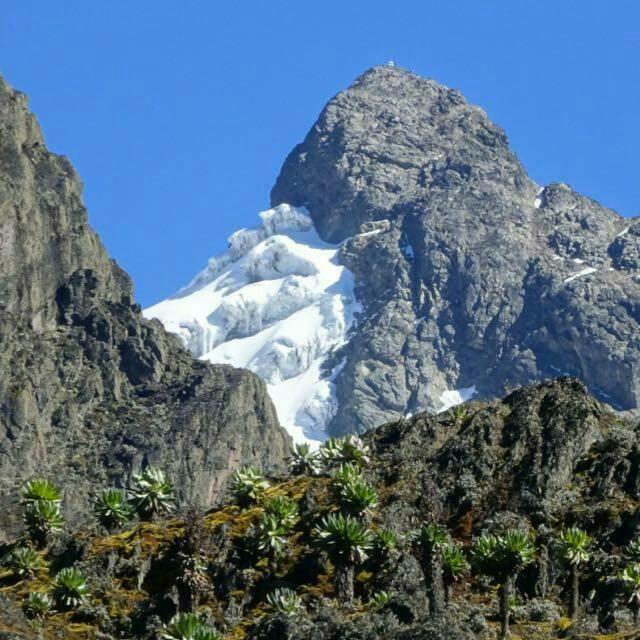
Tackling a 3-day trek in Uganda’s legendary Rwenzori Mountains is an exhilarating adventure, but it is certainly no walk in the park. As you ascend through dense, misty Afro-montane forests and tackle steep, moss-covered ridges reaching up to 3,134 meters at Kalalama Camp, proper preparation becomes your best ally. The Rwenzoris are famously wet, rugged, and demanding, requiring solid physical endurance and the right mindset from day one. To make the most of your journey into the "Mountains of the Moon," you will need to focus on building stamina for steep inclines, securing reliable waterproof gear in nearby Kasese, and mastering a steady, sustainable walking pace. Taking simple extra steps—like lining your backpack with heavy-duty dry sacks—ensures a smooth, rewarding climb. Here is how to prepare for an unforgettable mountain trek
The 3-day Rwenzori climbing adventure offers a condensed, immersive trekking experience in Western Uganda. Starting from the base camp at 1,646 meters, the journey navigates multiple ecological zones including Afro-montane forests and the bamboo belt. Climbers encounter unique flora, glacial features, and endemic bird species such as the Rwenzori Turaco.
Day 1: Nyakalengija to Nyabitaba Hut
The expedition begins at the Rwenzori Mountaineering Services headquarters at 1,646 meters. Hikers register and start a steady, 6-kilometer climb through dense plantations and garden plots of the Bakonzo people. The trail then enters the lush Afro-montane forest zone. As trekkers ascend toward Nyabitaba Hut at 2,650 meters, they cross the Mahoma River tributary and climb a massive, heavily forested ridge. This section provides opportunities to hear chimpanzees and spot black-and-white colobus monkeys, blue monkeys, and L’Hoest’s monkeys in the dense canopy.
Day 2: Nyabitaba Hut to John Matte Hut
Departing Nyabitaba at 2,650 meters, climbers descend through the forest to the Kurt Shafer Bridge. The route continues through thick bamboo forests, requiring a tiring but rewarding session of boulder hopping along the north side of the Bujuku River. The trail enters a giant heather zone filled with bizarre, moss-draped flora before reaching John Matte Hut at 3,380 meters. This section covers approximately 7 kilometers, taking 5 to 6 hours to navigate the steep, often muddy terrain. Trekkers are rewarded with distinct temperature drops and dramatic, open views of Mount Baker’s towering peaks on clear days.
Day 3: John Matte Hut to Nyakalengija
On the final morning, trekkers leave John Matte Hut at 3,380 meters and retrace their steps down through the giant heather and bamboo forest zones. The descent requires navigating the steep, muddy slopes of the ridge, passing just above the historic Sine Rock Shelter at 2,600 meters. Hikers cross the fast-flowing Mubuku River and continue down through farmlands to the park gate at Nyakalengija. The descent takes roughly 4 to 5 hours, bringing this compact mountain climbing tour to a conclusion before departure transfers.
Best tips for 3 Days Mountain Rwenzori climbing safari adventure
1. Train for Steep Terrain
Trekking through the Rwenzori Mountains—often called Uganda's "Mountains of the Moon"—demands a high level of physical conditioning, even on a shorter 3-day route. You will be walking for 6 to 7 hours each day, gaining substantial altitude as you climb from the trailhead at Kilembe (roughly 1,450 meters) toward Kalalama Camp at 3,134 meters. The trail features steep inclines, uneven wooden steps, exposed tree roots, and deep mud that constantly tests your balance and leg strength.
To prepare effectively, begin training three to four months before your trek. Focus heavily on stair-climbing, lunges, squats, and step-ups to build quad and calf endurance. Nothing replaces time on actual trails, so practice hiking on steep, hilly terrain while carrying a backpack loaded with 8 to 10 kg (18 to 22 lbs). This replicates the weight of your daypack containing water, rain gear, snacks, and camera equipment. Training with a pack conditions your lower back and core muscles, protecting your joints against the constant strain of steep ascents and descents.
2. Pack for Endless Mud & Rain
The Rwenzori ecosystem is famous for its damp, atmospheric climate. The Afro-montane forest belt receives heavy rainfall throughout much of the year, creating vast stretches of boggy, knee-deep mud. Standard running shoes or lightweight mesh sneakers will quickly soak through, leading to cold feet, painful friction blisters, and ruined footwear.
Your gear list must prioritize water resistance from head to toe. Invest in high-cut, waterproof leather or synthetic hiking boots with deep rubber lugs to maintain traction on slippery rocks and wooden boardwalks. Pair your boots with breathable waterproof gaiters that zip tightly around your calves; gaiters prevent mud, water, and debris from spilling into the top of your boots when stepping through deep bogs. Additionally, pack at least four pairs of thick, moisture-wicking merino wool socks. Merino wool retains heat even when damp and reduces friction, keeping your feet warm and blister-free throughout your trek.
3. Waterproof Everything
In the misty climate of the Rwenzori range, rain can strike suddenly and persist for hours. Standard backpack rain covers are helpful for light drizzles, but they often fail during heavy tropical downpours as water seeps along the back harness and into your pack's main compartment. Keeping your core extra clothing, sleeping gear, and electronics dry is critical for staying warm and preventing hypothermia at higher elevations where temperatures drop significantly at night.
To guarantee your gear stays completely dry, line the inside of your backpack with a heavy-duty dry sack or a thick, commercial-grade garbage bag before loading your items. Place your sleeping bag, warm fleece layers, down jacket, and dry socks inside individual sealed dry bags. Wrap sensitive electronics—such as camera bodies, power banks, and smartphones—in waterproof ziplock bags alongside silica gel packets to absorb ambient moisture. Keeping a dedicated set of completely dry clothes reserved strictly for wearing inside your camp hut ensures you recover comfortably each evening.
4. Use the "Pole, Pole" Technique
Altitude sickness can affect anyone, regardless of fitness level, as you climb above 2,500 meters toward Kalalama Camp. The golden rule of high-altitude mountain trekking across East Africa is summarized in the Swahili phrase "Pole, Pole" (pronounced poh-leh, poh-leh), which translates to "slowly, slowly."
Exerting too much energy early on elevates your heart rate, accelerates dehydration, and increases the likelihood of developing acute mountain sickness (AMS) symptoms such as headaches, nausea, and fatigue. Embrace a slow, steady, rhythmic stride where you can easily hold a conversation without gasping for breath. Let your local guides set the pace—they know the trail conditions intimately and will keep your group moving at an optimal speed. Conserving your energy on steep inclines ensures you arrive at Sine Camp or Kalalama Camp feeling fresh rather than exhausted, giving your body the time it needs to acclimatize properly.
5. Hydrate & Snack Continuously
Physical exertion at high altitudes causes your body to lose fluids rapidly through heavy breathing and sweat, even when the air feels cool and misty. Dehydration mimics and worsens the symptoms of altitude sickness, causing sluggishness, headaches, and muscle cramps.
Aim to drink at least 3 liters of purified water daily while on the trail. Carry a durable 1-liter water bottle alongside a hydration bladder inside your daypack for easy access during breaks. Because mountain streams can carry bacteria, always treat natural water sources using purification tablets or portable water filters provided by your trekking team. Alongside hydration, keep your blood sugar stable by packing lightweight, calorie-dense snacks. Reach for energy gels, dried fruits, salted nuts, dark chocolate, and flapjacks during short trail stops. These quick carbohydrates provide an immediate boost of energy needed to tackle steep, strenuous climbs.
6. Bring a Reliable Headlamp
Life in mountain camps revolves around natural light cycles. In the thick Afro-montane forest, dusk falls quickly around 6:30 PM, plunging camps like Sine and Kalalama into total darkness. Furthermore, if your itinerary includes an early predawn start to catch the sunrise over the valleys, navigating the trail in the dark requires reliable hands-free lighting.
Always pack a bright LED headlamp with a minimum output of 200 to 300 lumens. A headlamp keeps your hands completely free to hold trekking poles, grab handrails, or carry gear around the camp huts. Cold mountain temperatures drain battery life much faster than normal, so pack at least two full sets of fresh spare batteries or a fully charged portable power bank if your headlamp is USB-rechargeable. Store spare batteries inside an interior pocket close to your body heat to prevent them from losing charge overnight.
7. Hire a Local Porter
Even on a short 3-day itinerary, hiring a local porter is one of the wisest decisions you can make. Carrying a heavy 12 to 15 kg pack across knee-deep mud, slippery boardwalks, and steep rock steps places massive strain on your back and knees, dramatically increasing your risk of slipping or injuring an ankle.
A porter carries your main duffel bag (up to 15 kg), leaving you with only a light daypack containing your water, rain jacket, camera, and personal snacks. Beyond physical relief, Rwenzori porters are remarkably skilled at navigating deep mud bogs, often pointing out the firmest footing. Hiring a porter also provides vital economic support to the local communities surrounding Kasese and the Kilembe valley. It creates direct, fair-wage employment for local men and women, fostering community pride and direct investment in conserving the national park.
8. Wear Trekking Poles
The trail up to Kalalama Camp features steep ascents, but the return journey down to the trailhead can be even tougher on your joints. Descending hundreds of vertical meters over muddy, uneven steps places intense impact force on your knees, ankles, and lower back.
Using a pair of strong, collapsible aluminum or carbon-fiber trekking poles reduces the impact on your knees by up to 25%, distributing weight across your upper body and arms. Poles provide two additional points of contact with the ground, giving you critical stability when crossing slick wooden bridges, balancing on wet rocks, or testing the depth of mud holes before stepping into them. Ensure your poles feature comfortable foam or cork grips and reliable locking mechanisms that won't slip under pressure during steep descents.
9. Protect from Sun & Bugs
Do not let the cool mountain mist fool you—UV radiation increases significantly with altitude. Sunburn can occur quickly at elevations over 2,500 meters, even on overcast days when the sun is hidden behind thick clouds. Simultaneously, the lower forest zones feature stinging insects, horseflies, and mosquitoes near damp stream crossings.
Apply a broad-spectrum, high-SPF 50+ sunscreen to your face, neck, ears, and hands every morning, reapplying around mid-day. Wear polarized sunglasses to protect your eyes from intense glare and reduce eye fatigue. A wide-brimmed hat or lightweight safari cap provides crucial shade for your head and neck. To guard against insect bites in the lower canopy, apply a high-DEET or Picaridin-based insect repellent to exposed skin and collar edges, and wear long sleeves and long trousers made from durable, quick-drying fabrics.
10. Pre-Book Through Trusted Operators
The Rwenzori Mountains are a protected UNESCO World Heritage Site managed by the Uganda Wildlife Authority (UWA). Independent, unguided trekking is strictly prohibited. You must trek alongside licensed guides, armed rangers, and registered support staff who ensure safety, trail maintenance, and environmental protection.
To avoid last-minute delays or missing out during peak travel months (December–February and June–August), pre-book your trip months in advance through reputable platforms such as ROADS OF ADVENTURE Safaris. Trusted local operators handle all mandatory logistics—including securing UWA park entry permits, mountain hut reservations, professional guide services, porter allocations, and meals. Pre-booking ensures your permits are confirmed, your safety briefing is arranged, and your gear rentals (such as rubber boots or sleeping bags) are ready in Kasese before you step onto the trail.
