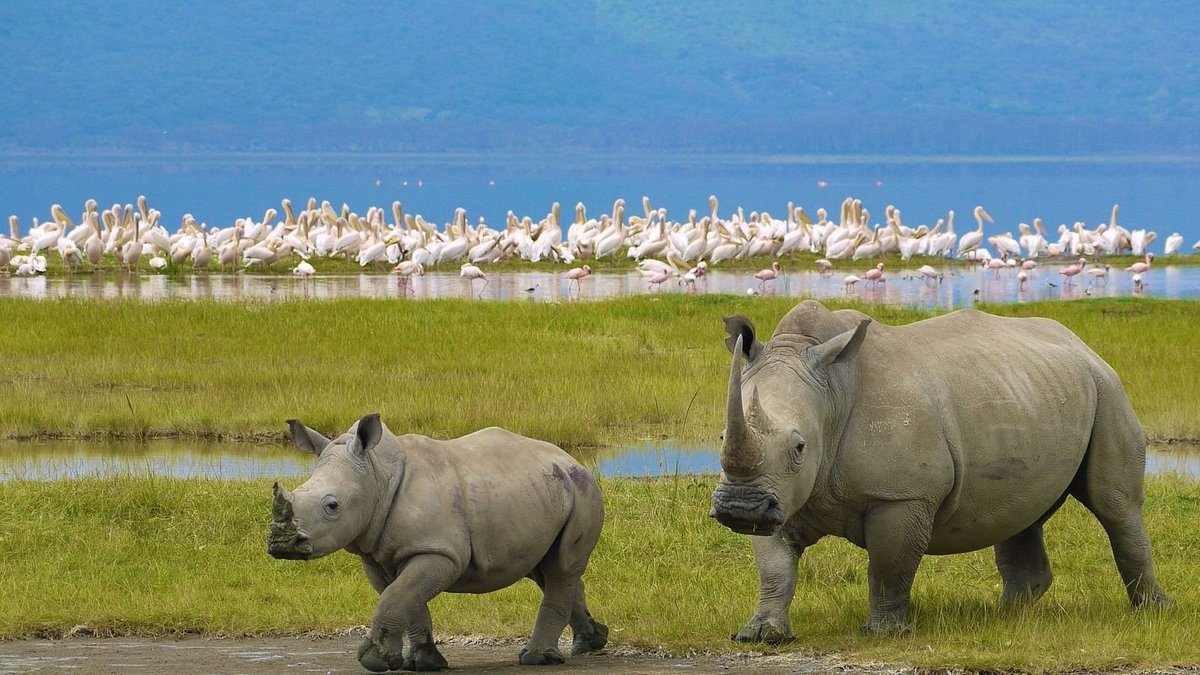
Kenya’s top national parks for a premier safari experience include the iconic Masai Mara National Reserve for the Great Migration and Amboseli National Park for unmatched Kilimanjaro views, alongside Tsavo East/West, Lake Nakuru, Samburu, and Ol Pejeta Conservancy for diverse wildlife including rhinos, elephants, and unique northern species.
12-days-lake-nakuru-masai-mara-central-serengeti-ngorongoro-crater-amboseli-kenya-tanzania-safari
11-days-ultimate-kenya-tanzania-safari-combined-tour
9-days-kenya-wildlife-safari-in-masai-mara-and-uganda-primate-safari-tour
9-days-photography-kenya-tanzania-safari-holiday-vacation
8-days-masai-mara-lake-nakuru-amboseli-and-mombasa-beach-holidays
7-days-perfect-kenya-wildlife-safari-and-optional-hot-air-balloon-safari
6-days-circuit-kenya-safari-to-masai-mara-lake-nakuru-and-amboseli-park
4-days-best-luxury-kenya-safari-to-lake-nakuru-and-masai-mara-safari-tour
Top Romantic Safari Destinations
1. Masai Mara National Reserve
The Masai Mara is arguably Africa’s most famous wildlife theatre. Covering 1,510 square kilometers, it is a northern extension of Tanzania’s Serengeti ecosystem. The reserve is the stage for the Great Wildebeest Migration between July and October, a dramatic event where over 1.5 million wildebeest, zebras, and gazelles brave crocodile-infested rivers and lurking predators like lions and cheetahs in search of greener pastures.
The Mara is renowned for its exceptional density of big cats; it is common to see prides of lions lounging on termite mounds or leopards draped over acacia branches. Beyond the migration, the reserve supports over 450 bird species and the "Big Five." Travelers can also engage in cultural visits to Maasai villages or take sunrise hot air balloon safaris for a bird’s-eye view of the endless plains.
2. Amboseli National Park
Located at the foot of Mount Kilimanjaro, Amboseli National Park provides the quintessential African safari backdrop. While the mountain is in Tanzania, the best views of its snow-capped peak are actually found here in Kenya, especially at dawn when the clouds clear. The park is world-famous for its massive herds of free-ranging elephants, including some of the largest "Great Tuskers" left in Africa.
The landscape is a unique contrast of dry, dusty plains and lush emerald-green swamps fed by underground meltwater from Kilimanjaro. These swamps are magnets for hippos, buffaloes, and hundreds of bird species like the African skimmer. Visitors can head to Observation Hill for a panoramic view of the entire park, where you can watch elephants wade through the marshes against the majestic mountain horizon.
3. Lake Nakuru National Park
Lake Nakuru is a Rift Valley gem that serves as a premier destination for birdwatchers and rhino enthusiasts. Historically famous for millions of flamingos that turned the lake’s edges pink, the park remains a sanctuary for over 450 bird species, including pelicans and cormorants.
Equally important is its role as a Rhino Sanctuary; it is one of the best places in Kenya to see both the southern white rhino and the more elusive eastern black rhino. The park’s relatively small size (188 sq km) makes wildlife viewing highly efficient. You can explore a variety of habitats, from alkaline lake shores to yellow-fever acacia forests and rocky cliffs like Baboon Cliff, which offers stunning views of the Rift Valley.
4. Tsavo East & Tsavo West National Parks
Combined, these two parks form one of the largest wildlife sanctuaries on Earth.
Tsavo East National Park
Tsavo East is a land of vast, flat, and semi-arid plains. It is famous for its "red elephants," which take on a rust-colored hue from dusting themselves in the park’s iron-rich soil. Highlights include the 300km-long Yatta Plateau (the world's longest lava flow) and Lugard Falls, where the Galana River carves through volcanic rock.
Tsavo West offers a more rugged, mountainous landscape with highlights like the Mzima Springs, where millions of gallons of crystal-clear water gush from beneath lava rocks. It also features the Ngulia Rhino Sanctuary, a critical stronghold for black rhino conservation.
5. Samburu National Reserve
Samburu is a wild, arid beauty in Kenya’s northern frontier district. It is defined by the Ewaso Ng'iro River, which attracts wildlife to its palm-fringed banks. The reserve is famous for the "Samburu Special Five": the Grevy’s zebra, reticulated giraffe, Somali ostrich, Beisa oryx, and the long-necked gerenuk (which often stands on its hind legs to browse).
The landscape is starkly beautiful, characterized by red dust, acacia scrub, and dramatic mountains like Ol Olokwe. Samburu is also known for its high concentration of leopards and as the site where conservationists George and Joy Adamson raised Elsa the Lioness. Visitors often find the cultural experience here just as compelling, as the Samburu people maintain a traditional pastoralist lifestyle similar to the Maasai.
6. Ol Pejeta Conservancy
While technically a private conservancy, Ol Pejeta is a critical safari destination on the Laikipia Plateau. It is the largest black rhino sanctuary in East Africa and famously hosts the world's last two northern white rhinos, protected by 24-hour armed guards. Ol Pejeta is also home to the Sweetwaters Chimpanzee Sanctuary, the only place in Kenya where these primates (rescued from the black market) can be seen.
As a private conservancy, it offers activities often restricted in national parks, such as night game drives, guided bush walks, and lion tracking. The conservancy operates with a strong focus on community development and sustainable conservation, making it a favorite for eco-conscious travelers.
7. Nairobi National Park
Nairobi National Park is the only place in the world where you can see wild lions, rhinos, and giraffes with a modern city skyline as the backdrop. Located just 7km from the city center, it is remarkably wild despite its proximity to the metropolis.
It is a major rhino stronghold and a successful breeding ground for black rhinos. The park’s unique ecosystem includes open grass plains and riverine forests, supporting a surprising diversity of wildlife, including leopards, cheetahs, and over 400 species of birds. It is an ideal spot for a "quick safari" for business travelers or those with a long layover at Jomo Kenyatta International Airport.
8. Hell’s Gate National Park
Hell’s Gate offers a rare break from the traditional vehicle-based safari. Because it lacks large predators (though leopards are occasionally present at night), it is one of the few parks where visitors can cycle or hike alongside zebras, giraffes, and buffaloes.
The park is famous for its dramatic scenery, including towering cliffs, deep gorges like Ol Njorowa, and geothermal activity (it inspired the scenery for The Lion King). You can visit the Fisher’s Tower rock formation or take a dip in the natural geothermal spa. Its proximity to Lake Naivasha makes it a popular day trip for those staying in the Rift Valley.
9. Meru National Park
For those seeking a remote and "untamed" experience, Meru National Park is a hidden treasure. It was once the home of Elsa the Lioness from the book and movie Born Free. The park features a diverse landscape of swampy grasslands, dense forests, and 13 permanent rivers that crisscross the terrain.
Because it receives fewer tourists than the southern parks, Meru offers a sense of solitude and discovery. It is excellent for spotting elephants, hippos, and rare antelope, and it contains a large, fenced rhino sanctuary that has successfully helped rebuild the local population.
10. Aberdare National Park
Aberdare offers a completely different climate and landscape from the hot savannas. Located in the central highlands, it features misty moorlands, deep ravines, and spectacular waterfalls like Karuru Falls, which drops in three stages.
The park is famous for its "tree hotels"—lodges like The Ark built on stilts overlooking salt licks and waterholes. This setup allows for nocturnal wildlife viewing from the comfort of the lodge, where you might see the rare bongo antelope, black leopards, or giant forest hogs. The cool, high-altitude air makes it a refreshing stop on a Kenyan safari circuit.
1. What is the best national park in Kenya?
The Masai Mara National Reserve is widely considered the crown jewel of Kenya’s wildlife destinations. Its reputation is built on the sheer density of its wildlife, particularly its big cats—lions, leopards, and cheetahs—which are more easily spotted here than almost anywhere else in Africa. The vast, rolling grasslands provide a perfect stage for the Great Migration, a spectacle where millions of wildebeests and zebras trek from the Serengeti. Beyond the migration, the Mara offers a year-round abundance of resident animals, luxury lodges, and cultural depth. It captures the "Lion King" aesthetic that many travelers seek, making it the top choice for both first-time visitors and seasoned safari enthusiasts.
2. Where is the best place to see the Big Five?
The "Big Five" (lion, leopard, elephant, buffalo, and rhino) are best viewed by combining a few key parks. The Masai Mara and Amboseli are excellent for four of the five, but the rhino remains the most elusive. To complete the set, Lake Nakuru National Park or Ol Pejeta Conservancy are essential, as they are world-renowned rhino sanctuaries. In Nakuru, you can see both white and black rhinos grazing in the open, while the Mara's dense vegetation makes leopard sightings particularly rewarding. Visiting these three locations virtually guarantees a full checklist, provided you have a skilled guide.
3. When is the best time to visit the Masai Mara?
While the Mara is a spectacular year-round destination, July to October is the peak window to witness the Great Migration. This is when the herds arrive from Tanzania, culminating in the heart-pounding Mara River crossings. However, the "Secret Season" from January to March is also fantastic; the weather is dry, the grass is short (making animals easier to spot), and it is the calving season for many species, leading to increased predator activity. The rainy seasons (April–May and November) offer lower prices and lush, green landscapes, though some roads can become challenging.
4. Which park has the best views of Mount Kilimanjaro?
Amboseli National Park offers the world’s most iconic view of Mount Kilimanjaro. Although the mountain is located across the border in Tanzania, its massive, snow-capped silhouette dominates the southern horizon of Amboseli. The best views are usually at dawn or dusk when the cloud cover lifts, revealing the peak behind herds of elephants crossing the dusty plains. Photographers flock here for the contrast between the dry, alkaline park floor and the looming, ice-capped mountain, creating a visual harmony that is synonymous with the African wilderness.
5. Where can I see elephants in Kenya?
For elephant enthusiasts, Amboseli is the "Land of Giants." It is home to some of Africa’s most researched and well-known elephant families, including famous "Great Tuskers" with ivory reaching the ground. The park’s swampy center, fed by Kilimanjaro’s meltwater, provides a permanent hydration source, meaning you can watch hundreds of elephants bathing and grazing daily. Tsavo East and West also host large populations, famous for their "red" appearance from the local soil, while Samburu offers a more intimate look at elephants traversing semi-arid landscapes.
6. Which park is best for seeing rhinos?
Lake Nakuru National Park and Ol Pejeta Conservancy are the premier rhino strongholds. Ol Pejeta is particularly significant as it is home to the world’s last two northern white rhinos and a thriving black rhino population. Lake Nakuru was the first park in Kenya to be declared a rhino sanctuary, and its fenced perimeter ensures high security for these endangered animals. Seeing a rhino in the wild is a rare privilege, and these locations offer the highest probability of sightings in a natural, protected environment.
7. Where can I find rare wildlife species in Kenya?
Samburu National Reserve is the place to find the "Samburu Special Five." These are species unique to the arid northern region: the Grevy’s zebra (with thinner stripes), the reticulated giraffe (with clear-cut patterns), the Beisa oryx, the Somali ostrich (with blue necks), and the Gerenuk (an antelope that stands on its hind legs). The Ewaso Ng'iro River provides a lifeline for these specialized creatures, offering a safari experience that feels distinct from the classic southern savannahs.
8. Is there a national park near Nairobi?
Nairobi National Park is a global anomaly—a wild ecosystem sitting just 7km from a bustling city center. It offers the unique opportunity to photograph a rhino or lion with the skyscrapers of Nairobi in the background. Despite its small size, it is a fully functioning park with a high density of black rhinos, giraffes, and predators. It is the perfect solution for travelers with limited time or those wanting a "taster" safari before heading deeper into the bush.
9. What are the best parks for birdwatching?
Kenya is a birder's paradise, with Lake Nakuru and Lake Naivasha leading the way. Nakuru is famous for its pink fringe of flamingos and over 450 species of water birds. Nearby Lake Naivasha is a freshwater lake where boat safaris allow you to see African fish eagles, kingfishers, and pelicans up close. Arabuko Sokoke Forest on the coast is another hotspot for endemic forest species, making Kenya a top-tier destination for ornithologists.
10. Which parks are best for walking safaris?
For those who want to stretch their legs, Hell’s Gate National Park is unique because you can cycle or hike among wildlife like buffalo and zebra without the presence of large predators. For a more traditional, guided walking safari, Tsavo West and several private conservancies like Laikipia or Ol Pejeta offer walks led by armed rangers. These walks focus on "the small things"—tracks, dung, and medicinal plants—that are often missed from a vehicle.
11. What is the largest park in Kenya?
The Tsavo ecosystem (East and West) is Kenya’s largest protected area, covering over 20,000 square kilometers. Tsavo East is known for its vast, open plains and the Yatta Plateau, while Tsavo West is more mountainous and volcanic. Together, they offer a sense of scale and isolation that is hard to find elsewhere. The "red elephants" and the legendary "Man-eaters of Tsavo" lions give this park a rugged, historical mystique that appeals to adventurous travelers.
12. Where can I visit a Masai village?
Cultural visits are most accessible around the Masai Mara. Many lodges partner with local communities to offer respectful tours of a manyatta (village). Here, you can learn about Masai traditions, beadwork, and cattle-herding, and witness their famous jumping dance. These visits provide vital income to local communities and offer travelers a deeper understanding of how the people of the Mara coexist with its wildlife.
13. What is the best way to travel between parks?
Travelers typically choose between road safaris in 4x4 vehicles or fly-in safaris. Road travel is more affordable and allows you to see the changing Kenyan landscape, but it can be bumpy and time-consuming. Fly-in safaris use light aircraft to hop between bush airstrips, saving hours of travel and offering stunning aerial views of the Rift Valley. A popular "best of both worlds" approach is to drive through the southern parks and fly back to Nairobi from the Mara.
14. Are Kenya's parks safe for tourists?
Yes, Kenya’s national parks are generally very safe. The government and the Kenya Wildlife Service (KWS) prioritize tourist security, and the parks are patrolled by armed rangers. The biggest "dangers" are usually the animals themselves if rules are not followed. By staying in your vehicle and choosing reputable tour operators who belong to associations like KATO (Kenya Association of Tour Operators), you can enjoy a secure and professional experience.
15. Can I combine a safari with a beach vacation?
Combining "Bush and Beach" is one of Kenya’s most popular travel trends. After the dust and early mornings of a safari in the Mara or Tsavo, you can fly directly to Diani Beach or Watamu. These coastal destinations offer white sands, turquoise waters, and world-class diving. The flight from the Mara to the coast takes less than two hours, allowing you to go from watching lions at dawn to sipping cocktails on the beach by sunset.
Booking Africa safari in Kenya with us Roads of Adventure safaris
Roads of Adventure Safaris is a specialized Uganda-based operator providing tailored, mid-range Kenya wildlife safaris, featuring 4x4 land cruisers, expert guides, and popular, budget-friendly, or luxury packages covering Maasai Mara, Amboseli, and Lake Nakuru. They offer 7-day, 10-day, and 21-day itineraries focusing on Big Five, wildebeest migration, and cultural experiences
