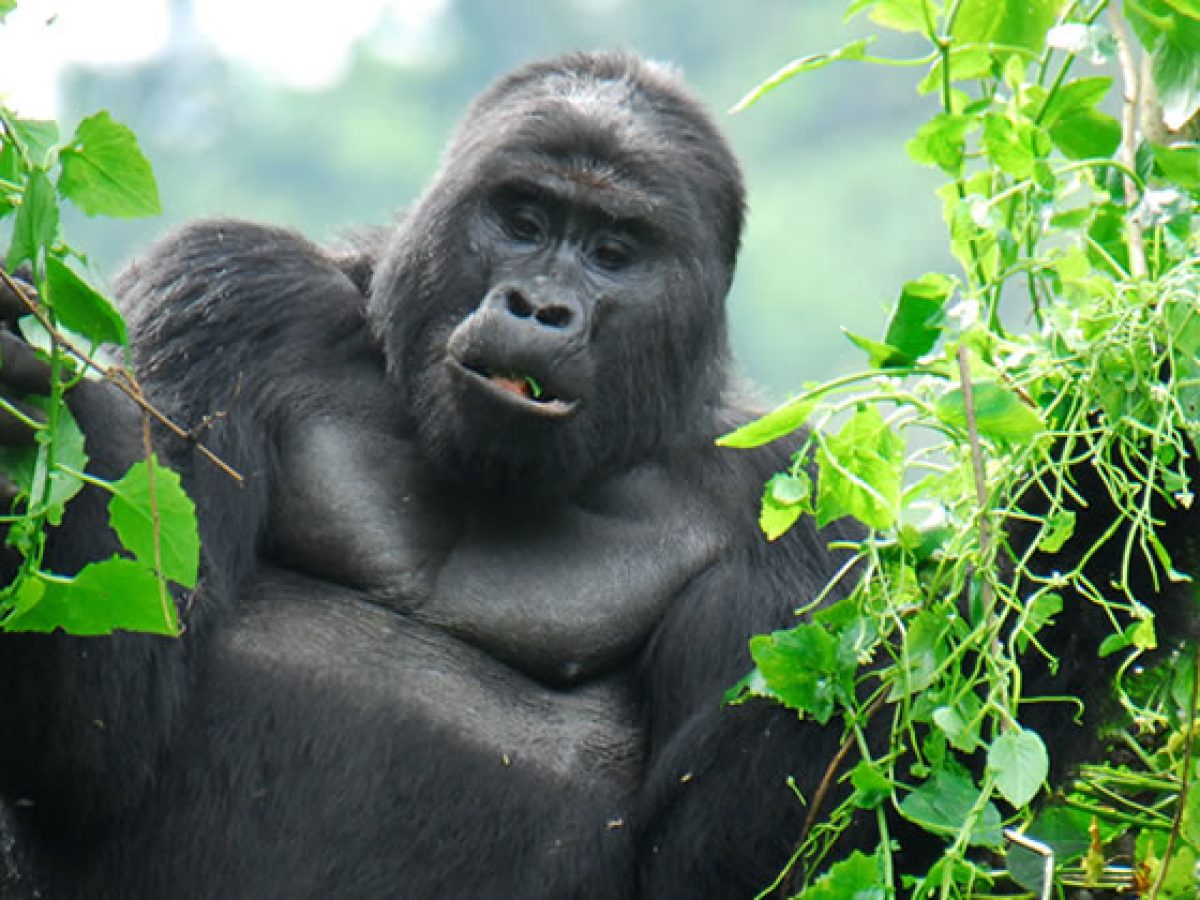
Embarking on a 1 Day gorilla trekking in Ruhija or Rushaga sector of Bwindi impenetrable forest park from Kabale or Kisoro town offers a remarkable opportunity to encounter endangered mountain gorillas within their natural habitat. Designed for travelers with limited time, this condensed adventure allows you to witness these gentle giants while minimizing travel logistics. By starting from the conveniently located towns of Kabale or Kisoro, you gain efficient access to the southern and eastern sectors of Bwindi Impenetrable National Park. Whether you choose the scenic highlands of Ruhaga or the diverse, habituated families of the Rushaga region, this intense, rewarding experience guarantees an unforgettable connection with wildlife. Participants should prepare for varying terrain and potential early morning starts, ensuring they are physically fit for the trek. With professional guidance, proper permits, and essential gear, this swift expedition ensures you maximize your time in one of Africa’s most prestigious and biodiversity-rich conservation areas.
Tour highlights for 1 Day gorilla trekking
Encounter endangered mountain gorillas.
Navigate lush Bwindi forests.
Observe habituated gorilla families.
Receive official trekking certificate.
Enjoy scenic mountain drives.
Experience expert ranger guidance.
Capture unique wildlife photos.
Hour-by-Hour Itinerary
- 05:00 AM: Wake up early, enjoy a quick breakfast, and prepare your gear for the day.
- 06:00 AM: Meet your driver-guide and depart from your hotel in Kabale or Kisoro town promptly.
- 07:00 AM: Arrive at the park headquarters for check-in and essential safety briefing by park rangers.
- 08:00 AM: Begin your guided hike into the forest to search for the assigned gorilla family.
- 09:00 AM: Continue tracking through the dense jungle, following trails while listening for signs of gorillas.
- 10:00 AM: Locate the gorilla group and spend one magical hour observing their fascinating daily behaviors.
- 11:00 AM: Depart the gorilla habitat and begin the hike back toward the main park headquarters.
- 12:00 PM: Arrive at headquarters, receive your official gorilla trekking certificate, and enjoy your packed lunch.
- 01:00 PM: Board your vehicle and begin the scenic return drive back to your accommodation base.
- 02:00 PM: Arrive back in Kabale or Kisoro town, concluding your successful one-day gorilla trekking adventure.
1. How long does the drive from Kabale to Ruhija or Rushaga take?
The drive from Kabale town to the Ruhija sector of Bwindi Impenetrable National Park is a scenic journey that typically takes between 1.5 and 2 hours, depending heavily on the road conditions and recent weather. The terrain can be challenging, particularly during the rainy season when the unpaved forest roads become muddy and require a 4x4 vehicle. If your itinerary involves traveling from Kabale to the Rushaga sector, you should allocate slightly more time, as this journey generally takes between 2 and 2.5 hours. It is crucial to coordinate with your transport provider to ensure they are using a vehicle capable of navigating these winding mountain roads. Because the mandatory morning briefing starts early, most travelers prefer to arrive in the vicinity of their assigned sector the night before to avoid the stress of an early-morning long-distance drive. Proper planning of your departure time is essential, as traffic and terrain can be unpredictable in the Kigezi highlands, and arriving late for the briefing may jeopardize your ability to join the trek.
2. How long does the drive from Kisoro to Rushaga or Ruhija take?
If you are based in Kisoro town, the proximity to specific sectors of Bwindi changes your logistical requirements significantly. The drive from Kisoro to the Rushaga sector is quite manageable, usually taking approximately 1 hour, making it one of the most convenient base locations for trekkers visiting this specific area of the park. However, if your permit is for the Ruhija sector, you face a much longer and more taxing journey. Traveling from Kisoro to Ruhija generally takes between 2 and 2.5 hours, as you are navigating away from the Virunga volcanic region and across varied mountain terrain. Because of these transit times, it is vital to know your specific gorilla family’s sector assignment before finalizing your accommodation. Staying in Kisoro for a Ruhija trek requires a very early morning start to ensure you reach the briefing point by 7:00 AM. Many professional safari operators advise booking accommodation as close to your assigned trekking sector as possible to minimize time on the road, allowing you to maximize your rest and ensure you arrive at the briefing site refreshed and fully prepared for the day’s exertion.
3. What is the start time for a 1-day gorilla trek?
Consistency is key when it comes to the logistics of mountain gorilla trekking in Uganda. Every single trekking day begins with a mandatory ranger briefing that starts promptly at 7:00 AM. During this session, you will be assigned to a specific group, receive safety instructions, and be briefed on the rules of conduct when you eventually encounter the gorillas. This briefing is a non-negotiable part of the process, designed to prepare trekkers for the terrain, the expected behavior of the silverbacks, and the conservation ethics required to protect these endangered primates. Following the briefing, the actual trek into the forest starts strictly at 8:00 AM. It is a common professional recommendation to arrive at the park headquarters or your specific sector's briefing point by 6:45 AM. Arriving early allows you to check in, sign the necessary logs, and meet your guides and trackers. If you arrive late, there is a risk that the trekking groups will have already departed, and in some cases, your permit could be forfeited. Because the trek’s duration is unpredictable—ranging from one hour to a full day—starting on time is the only way to ensure the rangers have the best chance of locating the gorillas while ensuring your return to base before sunset.
4. How much do gorilla permits cost?
For the 2026 travel season, the Uganda Wildlife Authority (UWA) has set the standard mountain gorilla trekking permit cost for foreign non-residents at $800 USD per person. This fee is a comprehensive contribution to conservation, community development, and park management. For foreign residents—those living and working in Uganda or the wider East African region—the cost is $700 USD. East African citizens are charged a significantly subsidized rate of 300,000 UGX. It is important to note that for 2026, UWA has introduced a "low-season" discount in specific months (April, May, and November), where foreign non-resident permits may be reduced to $600 USD to encourage travel during the wetter months. If you are interested in the more intensive Gorilla Habituation Experience, which allows you to spend up to four hours with the gorillas as they are being trained to be around humans, the fee is $1,500 USD for foreign non-residents. Given that permits are finite—limited to eight visitors per family, per day—they are often the most competitive aspect of planning an African safari. Prices are subject to change based on UWA tariff reviews, so checking the latest official updates is always recommended. When booking through a registered tour operator, the permit fee is almost always included in your total safari quote, and the operator will handle the direct payment to UWA on your behalf.
5. How do I get an official gorilla permit?
Securing an official gorilla trekking permit is the most critical step in planning a trip to Bwindi or Mgahinga. These permits are managed exclusively by the Uganda Wildlife Authority (UWA). As an individual traveler, you can technically inquire about availability with UWA, but the industry-standard and most efficient method is to book through a licensed, registered Ugandan tour operator. Because UWA requires immediate, full payment to secure a reservation—following the suspension of the previous "seven-day hold" system—having a professional agent handle the transaction is invaluable. These operators have direct access to the live permit booking system and can instantly verify which sectors and dates still have vacancies. You should aim to book your permit at least 3 to 6 months in advance, especially if you are planning to travel during the peak months of June–September or December–February. When you provide your details to an operator, they will handle the paperwork, submit the required identification, and process your payment to confirm your slot. Once confirmed, you will receive a booking reference or a digital permit, which you must present along with your passport at the park headquarters on the morning of your trek. Relying on an experienced operator not only simplifies the process but also ensures that your permit is correctly linked to your preferred trekking sector, preventing the logistical nightmare of having a permit for a sector that is hours away from your chosen lodge.
6. Can I do a 1-day gorilla trek if I am staying in Kampala?
A one-day gorilla trek departing from Kampala is logistically impossible. Bwindi Impenetrable National Park is located in the southwestern corner of Uganda, roughly 450 to 500 kilometers away from the capital. This distance represents an arduous 9-to-10-hour drive through winding roads, or a long day of travel if taking a commercial flight to a nearby airstrip followed by an additional road transfer. Since the mandatory ranger briefing begins at 7:00 AM, you would need to be physically present at the park headquarters well before sunrise, which cannot be achieved by leaving Kampala on the same day. Even if you were to consider a fly-in safari, the schedules of domestic bush planes rarely align with an arrival time that would allow you to participate in the briefing and reach the forest edge by 8:00 AM. To successfully trek with the gorillas, you must base yourself in towns adjacent to the park, such as Kabale, Kisoro, or specifically within the various Bwindi sectors (Buhoma, Ruhija, Rushaga, or Nkuringo). The most successful itineraries include traveling to the Bwindi area at least one full day before your scheduled trek. This allows you to adjust to the altitude, relax, and ensure you are mentally and physically prepared for the challenging hike ahead. Any attempt to "day-trip" from the capital will result in missed briefings, forfeited permits, and extreme exhaustion.
7. How long does the actual gorilla trek take?
The duration of a mountain gorilla trek is one of the most variable aspects of the entire safari experience. Because mountain gorillas are wild animals that move continuously throughout the forest in search of food, their location is never guaranteed. On a "good" day, the family might be feeding near the forest edge, resulting in a relatively short trek of one to two hours. However, on more challenging days, the gorillas may travel deep into the dense, steep, and misty interior of Bwindi, requiring a trek that can last anywhere from four to eight hours or even longer. Your experience is dictated entirely by where the family is found that morning; the advance trackers set out before dawn to locate the groups and communicate their position to the ranger guides via radio. Before you even set foot on the trail, you are briefed on this uncertainty, and trekkers are encouraged to maintain a positive mindset regardless of the time required. The physical effort of climbing through the primary forest—navigating thick vegetation, slippery slopes, and uneven terrain—can be intense, so the "trek" itself is as much of an adventure as the encounter. Whether you find the gorillas in an hour or eight, the journey is an immersive exploration of one of the most unique ecosystems on the planet, making the eventual sighting of the silverback and his troop a profound reward for your patience and stamina.
8. How much time do I get to spend with the gorillas?
Once you have successfully navigated the dense forest and located your assigned gorilla family, you are granted exactly one hour of time in their company. This regulation is strictly enforced by the Uganda Wildlife Authority (UWA) to minimize human impact on the gorillas, as they share 98% of our DNA and remain highly susceptible to human diseases. The "one-hour rule" starts the moment the ranger guide declares that you have officially made contact with the habituated group. During this magical sixty minutes, you are expected to maintain a respectful distance—ideally at least 7 to 10 meters—and follow the guide's instructions regarding movement and noise levels. It is a period for quiet observation, photography, and simply witnessing the natural social dynamics of the troop. You might see the infants playing, the juveniles testing their strength, or the silverback keeping a watchful eye on his charges. There are no extensions to this time, regardless of the hours you spent trekking to find them. This limitation ensures the welfare of the gorillas while providing an unforgettable, intimate encounter that feels far longer than it actually is. As the hour draws to a close, your guide will signal for the group to retreat, ensuring the gorillas can continue their daily routine undisturbed. This brief, powerful connection is the highlight of the trip, leaving you with memories of the forest that endure for a lifetime.
9. What should I wear on the trek?
Proper attire is not just about fashion; it is a critical safety and comfort necessity for trekking in the dense, often rugged, and unpredictable environment of Bwindi. You should dress in neutral-colored, long-sleeved shirts and long trousers, which are essential to protect your skin from stinging nettles, sharp thorns, and biting safari ants that are common in the undergrowth. Avoid bright colors, as these can be distracting to the gorillas and other wildlife. Since the forest is often wet, muddy, and steep, you will need high-quality, waterproof hiking boots that provide excellent ankle support. Pair these with thick, durable socks—some trekkers prefer to tuck their trousers into their socks to further shield themselves from insects and ants. Additionally, sturdy gardening gloves are a highly recommended, yet often overlooked, piece of gear. They allow you to grab onto thick branches or foliage for stability on steep slopes without risking injury from thorns or plants. A breathable, light, but waterproof jacket is also essential, as the forest climate is cool, misty, and prone to sudden downpours. By preparing your clothing layers wisely, you minimize your vulnerability to the elements and ensure that you can focus entirely on the trek rather than on scratches or wet clothes. Your goal is to be fully protected so that you can move through the forest with confidence, regardless of the vegetation or terrain you encounter.
10. What items do I need to pack in my daypack?
Packing your daypack for a gorilla trek requires a balance between utility and keeping weight to a minimum. Since you are likely to be on your feet for several hours, every extra kilogram matters. First and foremost, you need a high-quality rain jacket; even on sunny mornings, the climate in Bwindi is notoriously unpredictable and can turn into a downpour at any time. You should carry at least 1 to 2 liters of water to stay hydrated, as the exertion of trekking at high altitudes is physically draining. Since you will likely be away for much of the day, a packed lunch—usually provided by your lodge—and high-energy snacks like nuts, dried fruit, or energy bars are essential to keep your blood sugar steady. Personal hygiene items such as insect repellent (to guard against mosquitoes and forest flies) and high-SPF sunscreen are also necessary. A wide-brimmed hat will protect you from both the sun and the occasional falling debris in the forest. Do not forget to include a small first-aid kit with items like blister plasters, as walking on steep, uneven ground can quickly cause foot soreness. Finally, if you are bringing a camera, ensure it is protected in a waterproof bag, as your gear will be exposed to humidity and rain. Keep your pack as light as possible, but ensure these essentials are included so that you remain comfortable and fueled, allowing you to focus entirely on the extraordinary privilege of spending time with the mountain gorillas.
11. Is it a good idea to hire a porter?
Hiring a porter for your gorilla trek is one of the best investments you can make, and it is highly recommended for all trekkers. Porters are recruited from the local communities surrounding Bwindi, and by hiring one, you are directly supporting their livelihood and their families. The fee is quite affordable, typically ranging from $15 to $20 USD, but the value they provide is immense. The trek into the forest can be incredibly steep, muddy, and slippery, and porters are experts at navigating this terrain. They do not just carry your heavy daypack and camera gear; they are essentially your "mountain companions." On challenging sections of the trail, they will often take your hand, pull you up steep slopes, or offer stability on a treacherous descent, acting as a human anchor. Having someone to lighten your physical load and assist you through the most taxing parts of the hike allows you to preserve your energy for the actual gorilla encounter. Many trekkers find that the support of a porter turns a daunting, exhausting hike into a manageable and enjoyable adventure. It also fosters a wonderful cultural connection, as your porter can often tell you interesting facts about the forest, the local customs, and the history of the park. Engaging a porter is a win-win: you get invaluable physical and logistical assistance, and you play a direct, meaningful role in the local economy, helping to ensure that the surrounding communities remain the strongest allies of the mountain gorillas.
12. How physically fit do I need to be?
Gorilla trekking is a physically demanding activity that requires a moderate to good level of fitness. The Bwindi Impenetrable Forest is named for a reason: it is a complex, steep, and rugged landscape, and the "trails" are often nothing more than narrow paths through dense, tangled vegetation. You should be prepared for significant elevation changes, walking on uneven, muddy surfaces, and potentially navigating dense bush. While you do not need to be an elite athlete, being able to walk for several hours on uneven terrain is essential. If you have concerns about your fitness, it is very important to communicate this clearly to your guide during the 7:00 AM briefing. The rangers and guides are trained to assess the group’s capabilities and can often assign you to a "closer" or "easier" gorilla family that is known to be in a more accessible part of the forest. Being honest about your fitness level is not a sign of weakness; it is a vital safety measure for you and your group. If you are generally active and walk regularly, you will likely manage the trek well. However, if you are worried, simple preparation—such as regular walking on hills or stairs in the months leading up to your trip—can make a huge difference. Remember that this is not a race; the trek is conducted at a pace that accommodates the group, and you are welcome to take as many breaks as needed to catch your breath.
13. What happens if I am sick on the day of the trek?
The health of the mountain gorillas is the absolute priority of the conservation efforts in Bwindi, and for this reason, the regulations regarding human-gorilla contact are very strict. If you are showing symptoms of a contagious illness on the morning of your trek—such as a cold, flu, fever, cough, or any respiratory infection—you will not be allowed to trek. Mountain gorillas have almost no natural immunity to common human illnesses, and a simple cold that is minor for a human can be potentially fatal for a gorilla. During the briefing, you are expected to be honest about your health. If you are unwell, you must inform your ranger guide. In many cases, the Uganda Wildlife Authority (UWA) may allow you to reschedule your trek for a later date, subject to permit availability. However, this is not always guaranteed, and it is a good idea to check your travel insurance to see if it covers the cancellation or rescheduling of such activities. While it can be incredibly disappointing to miss out on the encounter you have been planning for months, please understand that this is a vital ethical duty. If you suspect you are coming down with something, start taking precautions immediately—such as wearing a mask and social distancing—well before the trek. By staying away if you are sick, you are actively helping to ensure the survival of these majestic creatures for future generations.
14. Are there age limits for gorilla trekking?
Yes, there is a strict age limit for mountain gorilla trekking in Uganda. To participate in a trek, you must be at least 15 years old. This regulation is maintained by the Uganda Wildlife Authority (UWA) primarily for safety and behavioral reasons. Gorillas can be unpredictable, and the trek itself involves long hours of hiking in difficult, remote terrain that is simply not suitable for children. Furthermore, younger children are more susceptible to the very human illnesses that can be dangerous to the gorillas, and they may struggle to follow the strict behavioral rules required during the hour spent with the troop, such as remaining silent and maintaining a safe distance. While some families might be curious and approach the trekkers, it is important that everyone in the group remains calm and disciplined. This age requirement ensures that every member of the trekking party is physically and emotionally equipped to handle the demands of the experience. It is a firm policy, and you will be asked to present your passport or official identification at the park headquarters to verify your age during the check-in process. If you are planning a family trip, ensure that all children meet this requirement before you book your permits. It is a necessary rule designed to balance the educational value of the experience with the essential need to protect both the visitors and the mountain gorillas themselves.
15. Can I use a camera flash while with the gorillas?
No, the use of camera flash is strictly and categorically prohibited during your one-hour encounter with the gorillas. Mountain gorillas are sensitive, intelligent animals, and a sudden, bright flash can be perceived as an aggressive gesture or a threat, potentially causing the gorillas to feel uneasy or, in rare cases, to charge. The primary goal of your visit is to observe them in their natural state without causing them any stress or disrupting their daily life. Furthermore, a flash can be incredibly distracting to the rangers and your fellow trekkers, breaking the quiet, contemplative atmosphere that is so central to the experience. When you are preparing your photography equipment, ensure that your camera is set to "silent" mode and that the flash is completely disabled before you even enter the forest. Modern cameras are highly capable in lower-light forest conditions; consider using a faster lens or bumping up your ISO settings to capture clear images without needing a flash. If you are using a smartphone, ensure the flash setting is turned to "off." Your ranger guide will remind you of this rule before you reach the gorillas, and they will be watching to ensure the welfare of the primates is maintained. Respecting this prohibition is one of the most important ways you can contribute to a responsible and ethical visit, allowing you to capture stunning, natural photos while ensuring the gorillas remain calm and undisturbed by your presence.
Booking 1 Day gorilla trekking with us Roads of Adventure safaris
Booking a 1-day gorilla trek with Roads of Adventure Safaris involves a cross-border itinerary starting in Kigali, Rwanda. Because Bwindi Impenetrable National Park is a 9-to-10-hour drive from Kampala, a 1-day trek requires starting very early from Rwanda instead
