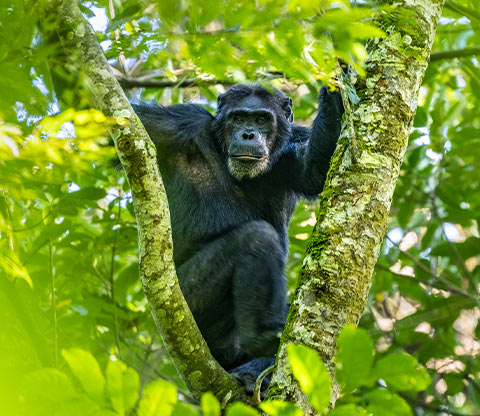
1 Day Budget Chimpanzee tracking in Budongo forest from Masindi Town offers an exceptional, accessible, and affordable opportunity to encounter our closest living relatives in their natural habitat. Nestled within the verdant landscapes of the Murchison Falls Conservation Area, Budongo Forest is renowned for its dense mahogany trees and a thriving population of habituated chimpanzees. This short but life-changing expedition is perfectly suited for travelers stationed in Masindi who seek an immersive wildlife experience without the long transit times associated with other Ugandan primate destinations. By choosing this efficient day trip, you enjoy a professional, ranger-led trek through ancient tropical canopy, gaining intimate insights into chimpanzee social structures, vocalizations, and playful interactions. Beyond the chimps, the forest serves as a vital biodiversity hotspot, teeming with unique birdlife and diverse monkey species. Whether you are a solo traveler or a group, this budget-friendly adventure provides a seamless, memorable connection with nature's wonders in one of Uganda's most significant ecological treasures
TOUR HIGHLIGHTS
Intimate chimpanzee family encounters
Expert ranger-guided forest treks
Ancient mahogany forest exploration
Vibrant tropical bird watching
Efficient local travel logistics
Affordable primate wildlife adventure
06:00 AM: Early departure from Masindi to reach the Kaniyo Pabidi eco-site.
07:00 AM: Briefing by expert ranger guides on safety and forest regulations.
07:30 AM: Begin your guided hike into the dense forest canopy.
Observation: Spend one hour with a habituated chimpanzee troop once located.
11:00 AM: Debriefing at the headquarters and return to Masindi for a late lunch.
How do I get to Budongo Forest from Masindi Town?
Budongo Forest is conveniently located approximately 30 to 45 minutes by road from Masindi Town. Since public transport is not reliable for reaching the specific forest trailheads, it is highly recommended to arrange private transportation. You can hire a private 4x4 vehicle through a reputable local tour operator based in Masindi or through your chosen accommodation. The drive itself is part of the experience, as it takes you along a scenic, winding rural route that serves as the gateway to the magnificent Murchison Falls National Park. As you travel, you will pass through local villages and transition into the dense, ancient mahogany forest canopy. Ensuring you have a reliable driver who knows the specific access points—such as the Kaniyo Pabidi or Busingiro sectors—is crucial for a smooth arrival. It is advisable to coordinate your departure time with your lodge or guide to ensure you arrive well ahead of your scheduled trekking session, allowing time for check-in and the necessary pre-trek briefing.
How much does the chimpanzee trekking permit cost?
Securing a chimpanzee trekking permit is the most essential step in planning your visit. As of 2026, the fees are structured to support conservation efforts and community development. Foreign Non-Residents pay $130, Foreign Residents pay $120, and East African Citizens pay 85,000 UGX (or the equivalent at $85). It is important to note that these prices are subject to periodic review by the Uganda Wildlife Authority (UWA). You can book these permits directly through the UWA headquarters in Kampala or, more conveniently, through a local tour operator who will manage the booking process, payment, and logistics on your behalf. Since permits are limited to a specific number of trekkers per day to minimize human impact on the primates, it is vital to book your permit several months in advance, especially if you plan to visit during the peak dry seasons when demand is highest. Always confirm the current rates at the time of your booking.
Are there other park fees?
Yes, in addition to your chimpanzee trekking permit, there are general park entrance fees if you enter the forest via the gates of Murchison Falls National Park (such as the Kaniyo Pabidi area). These fees contribute to the maintenance of the ecosystem, anti-poaching patrols, and road upkeep within the protected area. For Foreign Non-Residents, the standard park entrance fee is typically $45 per person for a 24-hour period. If you are staying at a lodge located outside the park boundaries, clarify whether your daily activities will require entering the core park zone, as this will dictate whether you need to pay this entry fee each day. Some forest sectors may have different administrative arrangements; therefore, it is always best to verify with your tour operator or the lodge staff regarding whether these fees are included in your package or if they must be paid separately upon arrival at the gate.
What is included in the permit cost?
The chimpanzee trekking permit is essentially an all-inclusive pass to the professional services required for a safe and educational encounter. The cost includes the expertise of a highly trained park ranger guide, who possesses deep knowledge of chimpanzee behavior, local flora, and the forest ecosystem. These rangers are skilled trackers who spend their mornings locating the habituated chimpanzee communities before you even arrive. Your permit also covers the mandatory pre-trek briefing, where you will learn about the safety protocols, the history of the forest, and the specific etiquette required to interact with the primates responsibly. Most importantly, the fee grants you the privilege of spending one hour in the presence of the chimpanzees once they have been located. This fee directly supports the Uganda Wildlife Authority's conservation initiatives, ensuring the habitat remains protected for future generations to enjoy this unique primate experience.
What is the best time of the year to go?
The timing of your visit significantly impacts your trekking experience. The dry seasons—December through February and June through September—are widely considered the best times to visit. During these months, the forest trails are drier, less muddy, and significantly easier to navigate, which makes the hike less physically demanding. Additionally, the forest canopy is less dense in some areas, which can improve visibility when trying to spot the chimpanzees high up in the trees. However, chimpanzee tracking is an all-year-round activity in Budongo. The wet seasons (roughly March to May and October to November) offer a different, rewarding experience: the forest is lush, vibrant, and alive, there are far fewer tourists on the trails, and lodges often offer discounted rates. If you choose to visit during the wet season, ensure you are physically prepared for slippery terrain and bring appropriate gear, such as high-quality waterproof hiking boots and gaiters.
Are chimpanzee sightings guaranteed?
While Budongo Forest boasts an impressive chimpanzee habituation success rate of over 85%, it is important to remember that chimpanzees are wild animals, not zoo exhibits. They roam freely within their large territories in search of seasonal fruits and foliage, and their movements can be unpredictable. Park rangers perform daily monitoring, which makes encountering them highly likely; however, because of their free-roaming nature, sightings can never be 100% guaranteed. On rare occasions, the community may travel deep into the dense forest, making them difficult to reach within the allowed trekking time. If you do not encounter the chimpanzees during your trek, you will still have had the opportunity to explore one of Uganda’s most beautiful mahogany forests, observe rare bird species, and enjoy the expertise of your ranger. Most visitors, however, find that the expert tracking by the rangers makes the experience successful the vast majority of the time.
What time do the treks start?
To ensure the best chances of locating the chimpanzees while they are active, the trekking schedule is strictly regimented. There are typically two main sessions offered daily. The morning session is the most popular, starting around 8:00 AM; this is often when the chimpanzees are most vocal and active in the canopy, making them easier to track. The afternoon session usually begins at 12:00 PM or 2:00 PM. The afternoon trek is an excellent alternative if you have arrived in the area late or prefer a more relaxed start to your day. Regardless of which session you choose, you must arrive at the briefing area at least 30 minutes before your scheduled start time. This allows for registration, payment verification, and an essential safety briefing where the rangers will explain how to behave around the primates to ensure your safety and the health of the chimpanzee community.
How long does the actual trek take?
The duration of your trek can vary significantly based on the current location of the chimpanzee community. Because the forest is vast and the chimpanzees are constantly on the move, finding them can take anywhere from 2 to 5 hours. This time involves trekking through thick undergrowth and sometimes steep or uneven terrain. Your ranger will use clues such as broken branches, fresh droppings, and vocalizations to navigate through the forest toward the group. Once the trackers locate the community, your time with them is strictly limited to one hour. This "golden hour" is a conservation measure designed to minimize human stress on the chimpanzees. After your hour is up, you will be guided back to the starting point. Be prepared for a potentially strenuous hike; while it is not a mountain climb, the humidity and uneven forest floor mean you should have a moderate level of physical fitness to fully enjoy the experience.
What is the minimum age limit?
The minimum age requirement for chimpanzee trekking is strictly 15 years. This is not merely a logistical rule but a vital conservation policy. Chimpanzees are our closest living relatives, sharing approximately 98% of our DNA, which makes them extremely susceptible to human pathogens. Younger children are more prone to common colds, coughs, and other respiratory infections, which could be devastating if transmitted to a habituated chimpanzee group. Additionally, the trek itself requires a level of patience, silence, and physical stamina that may be difficult for younger children to maintain. This age limit ensures that all participants can adhere to the safety protocols, such as maintaining a set distance and staying quiet. If you are traveling with a family, please ensure you have proof of age for younger members, as the rangers and park authorities enforce this rule strictly to protect the long-term survival of the chimpanzees.
Can I track if I have a cold or flu?
No, you absolutely cannot participate in a trek if you are suffering from a cold, flu, or any respiratory illness. Because chimpanzees share so much of our genetic makeup, they are highly vulnerable to the same viruses that cause minor illnesses in humans. A simple common cold for you could prove fatal for a chimpanzee, as they lack immunity to many human diseases. Before the trek, your ranger will conduct a health assessment during the briefing. If you show symptoms like coughing, sneezing, or a runny nose, you will be politely asked to stay behind. This is a non-negotiable rule enforced for the safety and preservation of the forest’s inhabitants. If you feel unwell, it is your responsibility to report it to the authorities immediately. It is better to miss a single trek than to risk an outbreak that could threaten an entire population of primates.
What should I wear and pack?
Preparation is key to a comfortable trek. Wear neutral-colored, long-sleeved shirts and long trousers to protect your skin from thorns, stinging nettles, and insects. Sturdy, waterproof hiking boots with good ankle support are essential for the uneven and potentially muddy forest floor. Gardening gloves are highly recommended for grabbing onto branches or supporting yourself during the hike. Pack a lightweight, breathable waterproof jacket, as tropical rain can occur unexpectedly. Other essentials include a hat, high-SPF sunscreen, and effective insect repellent (especially one containing DEET). Bring a small, waterproof bag to keep your camera, phone, and valuables dry. Since you will be walking for several hours, carry a reusable water bottle and perhaps some light, high-energy snacks. Avoid wearing bright colors or using strong scents like perfumes or colognes, as these can distract or irritate the wildlife.
Can I use a camera with flash?
The use of flash photography is strictly prohibited. You must ensure that your camera, phone, and any other devices are set to "silent" and that the flash is completely turned off before you even enter the forest. Flash photography can startle, confuse, or even provoke aggressive behavior in the chimpanzees. Furthermore, sudden, bright lights disrupt their natural social interactions and feeding habits. In the dim, filtered light of the forest canopy, a flash can be particularly intrusive. If you are a photography enthusiast, consider bringing a camera with good low-light capabilities or a lens that allows you to zoom in from a distance, as you must maintain a safe boundary. The priority is always the welfare of the primates, not the perfect photograph. If a camera makes a loud shutter sound, please be mindful to keep it as quiet as possible during your hour of observation.
How close can I get to the chimpanzees?
Maintaining a safe distance is the most critical rule of the trek. You are required to stay at least 8 meters (approximately 25 feet) away from the chimpanzees at all times. This distance is a safeguard against the transmission of human illnesses and helps ensure the chimpanzees do not feel threatened or crowded by human presence. In the forest, the chimpanzees may sometimes move toward you; if this happens, you must remain calm, follow your guide’s instructions, and slowly back away to maintain the required buffer. Never attempt to touch, feed, or approach the chimpanzees, regardless of how friendly they may appear. They are wild animals with significant physical strength, and maintaining a professional distance allows you to observe their natural, uninfluenced behaviors—such as grooming, playing, and socializing—without disrupting their daily lives. Respect the space of these magnificent creatures to ensure a safe and ethical experience.
Is there accommodation near the forest if I decide to stay?
Yes, there are excellent accommodation options that allow you to stay within or very close to the forest, immersing you in the natural beauty of the area. The most prominent choice is the Budongo Eco Lodge, which is situated right in the heart of the forest. It offers a range of options, including private cabins with en-suite bathrooms for those who prefer more comfort, as well as a campsite and dormitory-style lodging for budget-conscious travelers. Staying at the lodge allows you to wake up to the sounds of the forest and ensures you are just minutes away from the trekking starting point. Beyond the eco-lodge, there are several mid-range and luxury lodges located on the outskirts of Murchison Falls National Park that provide easy access to the forest. Booking your accommodation in advance is highly recommended, especially during the peak season, to ensure you secure a spot near the trailheads.
Are there other activities I can do besides chimpanzee tracking?
Budongo Forest is a treasure trove for nature lovers, offering far more than just chimpanzee trekking. It is world-renowned for its incredible biodiversity, particularly its birdlife. The forest is home to rare and sought-after species, such as the Chocolate-backed Kingfisher, the White-thighed Hornbill, and the Puvel’s Illadopsis. Guided birding tours are a fantastic way to explore the forest’s diverse habitats. Additionally, because the forest is located near Murchison Falls National Park, you can easily combine your trek with a classic wildlife safari. You can take a boat cruise to the base of the spectacular Murchison Falls, go on game drives to spot elephants, lions, giraffes, and hippos, or enjoy a sunset cruise along the Nile River. Whether you are interested in botany, birding, or big-game viewing, the proximity of Budongo to one of Uganda’s premier national parks makes it an ideal base for a multifaceted adventure.
Booking 1 Days chimpanzee tracking in Budongo forest with us Roads of Adventure safaris
To book a 1-day chimpanzee tracking excursion in Budongo Forest with Roads of Adventure Safaris, you can reach out directly through their booking platforms. The permit costs roughly $130 USD, and the agency will handle transportation and scheduling for a seamless primate encounter
